


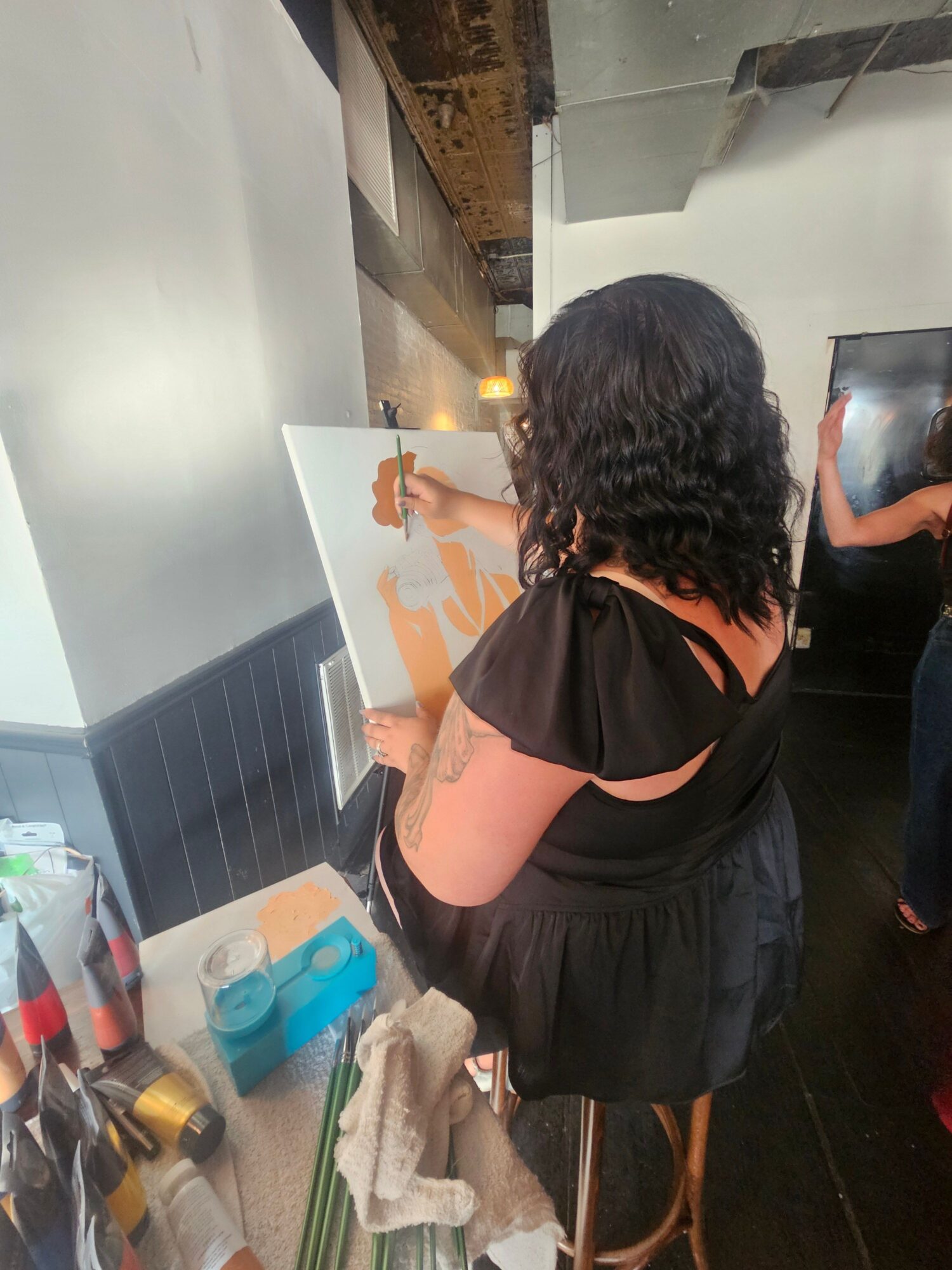
Today we’d like to introduce you to Alaina Joy.
Hi Alaina, thanks for joining us today. We’d love for you to start by introducing yourself.
I’ve never really known how to separate who I am from what I make.
I’m Alaina Joy, the artist behind @painted_thingies, and my work has always been a way of taking the things that hurt, anger, inspire, confuse, or excite me and turning them into something I can put into the world.
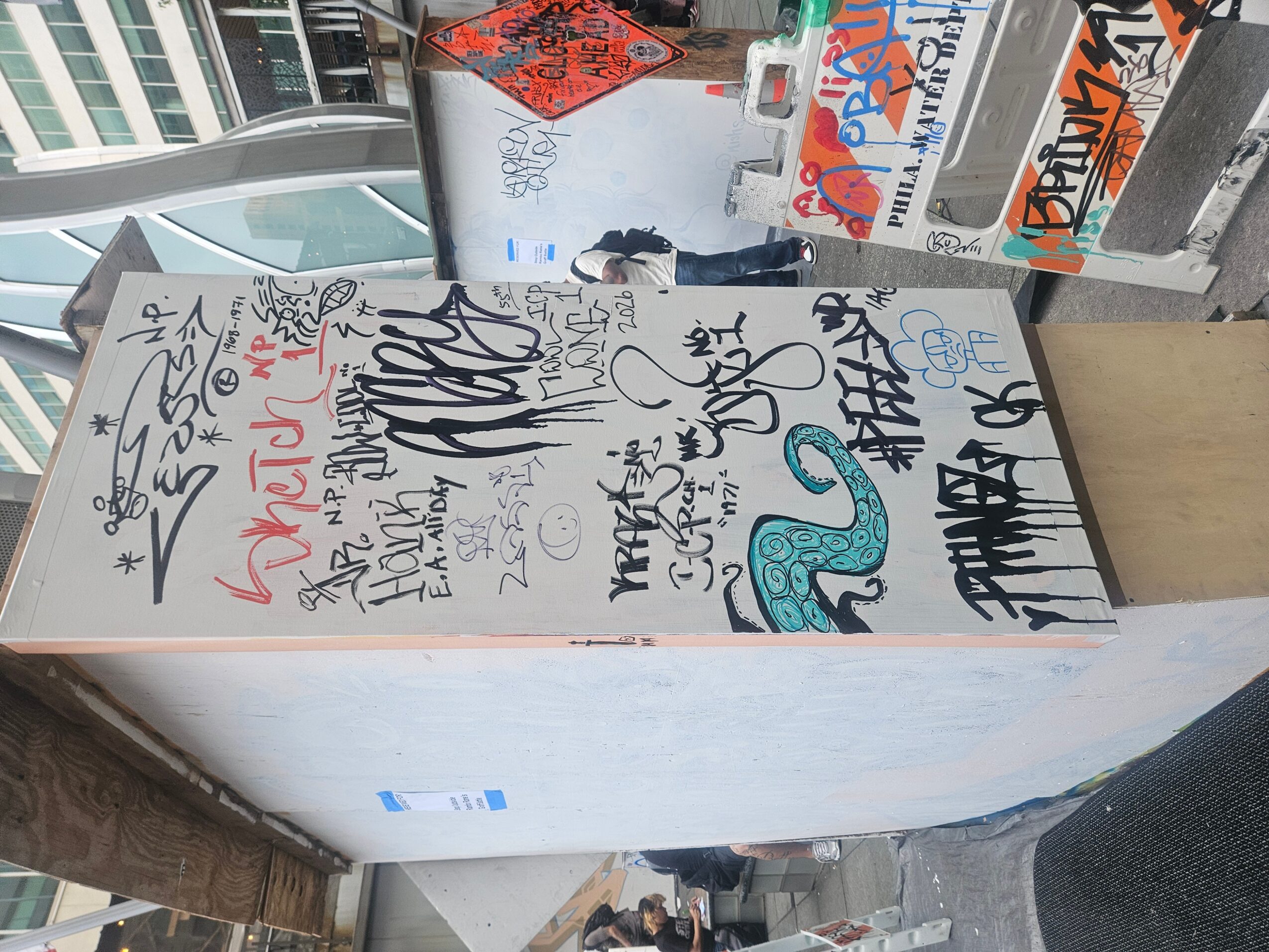
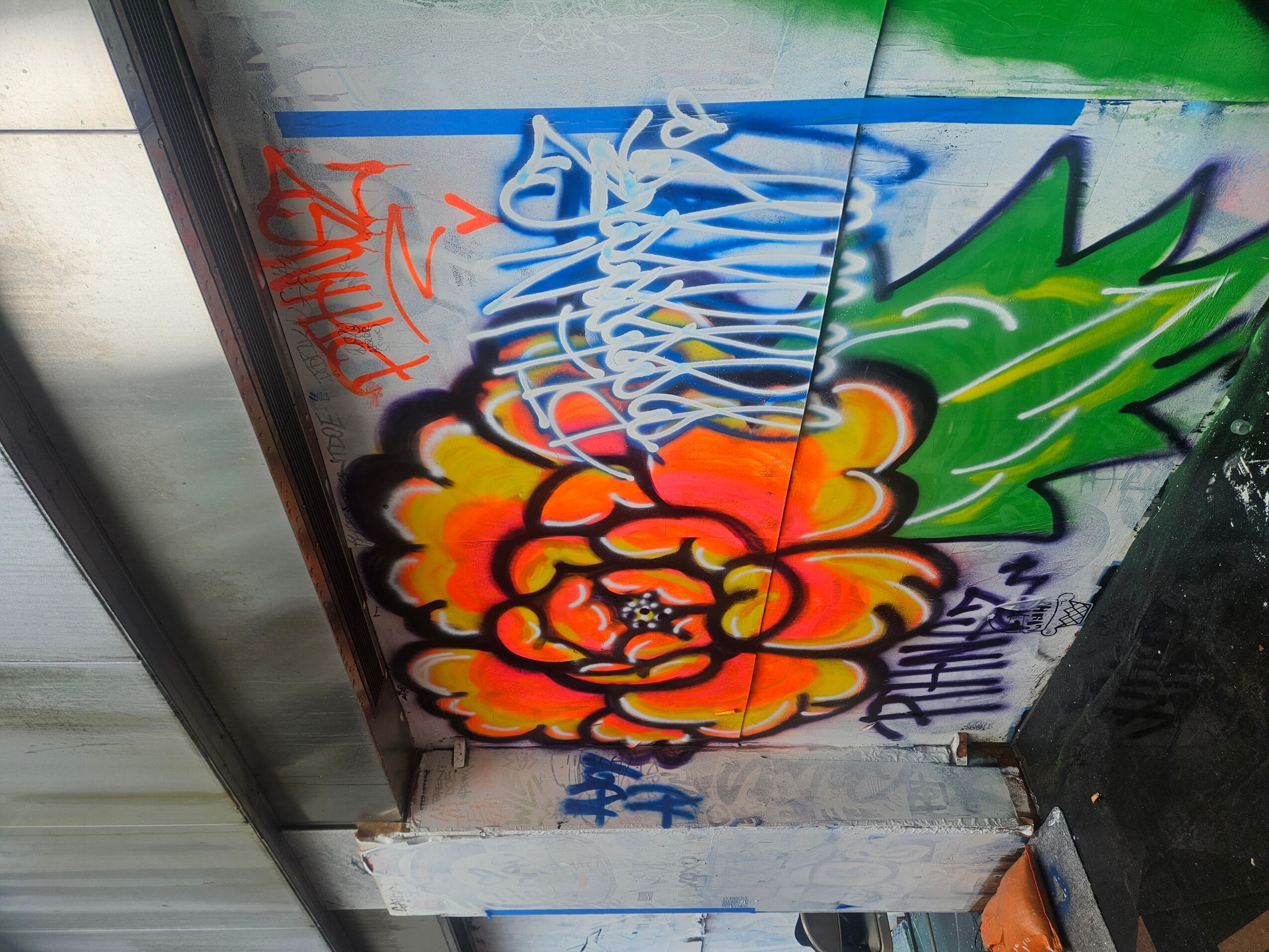
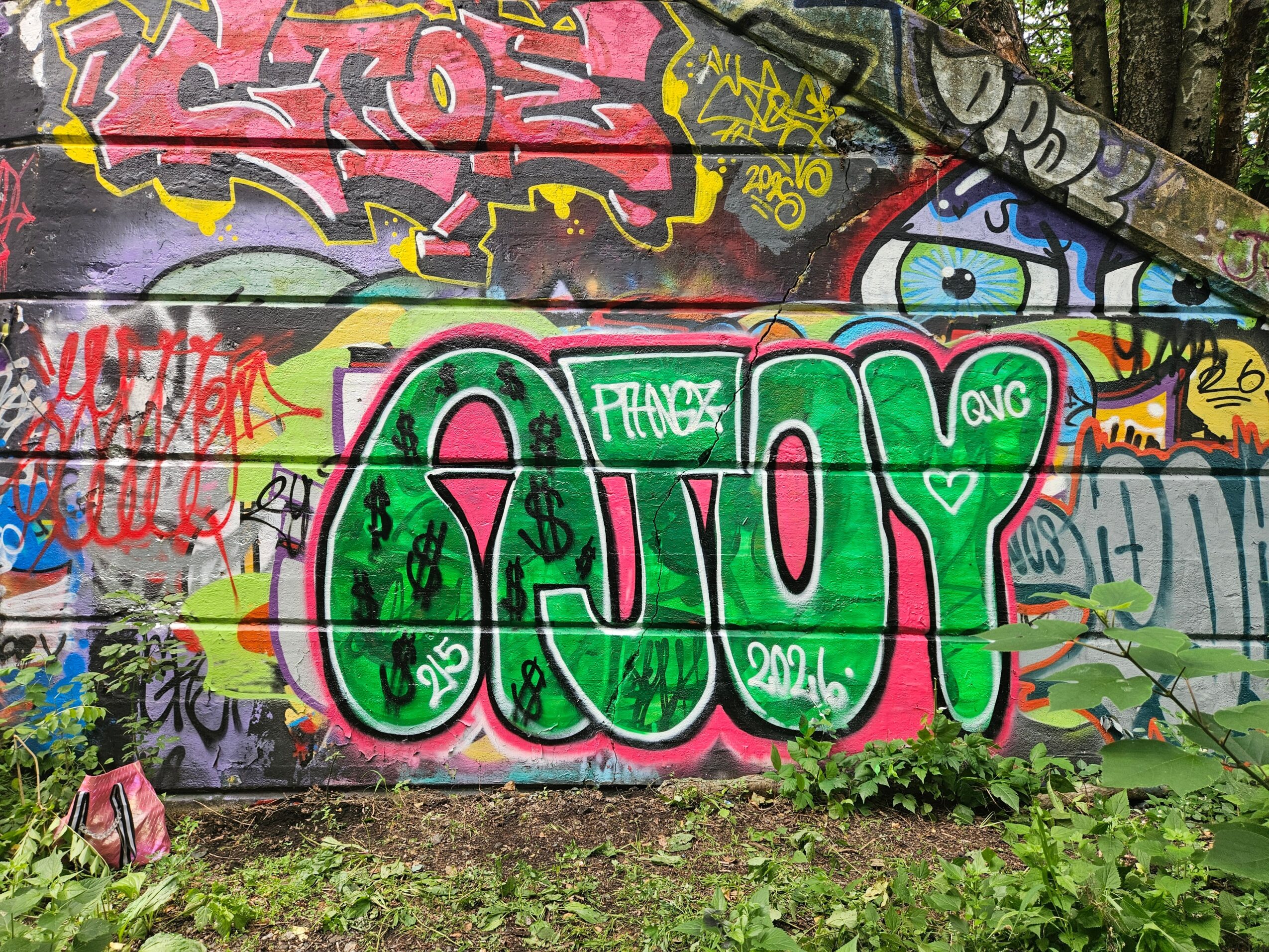
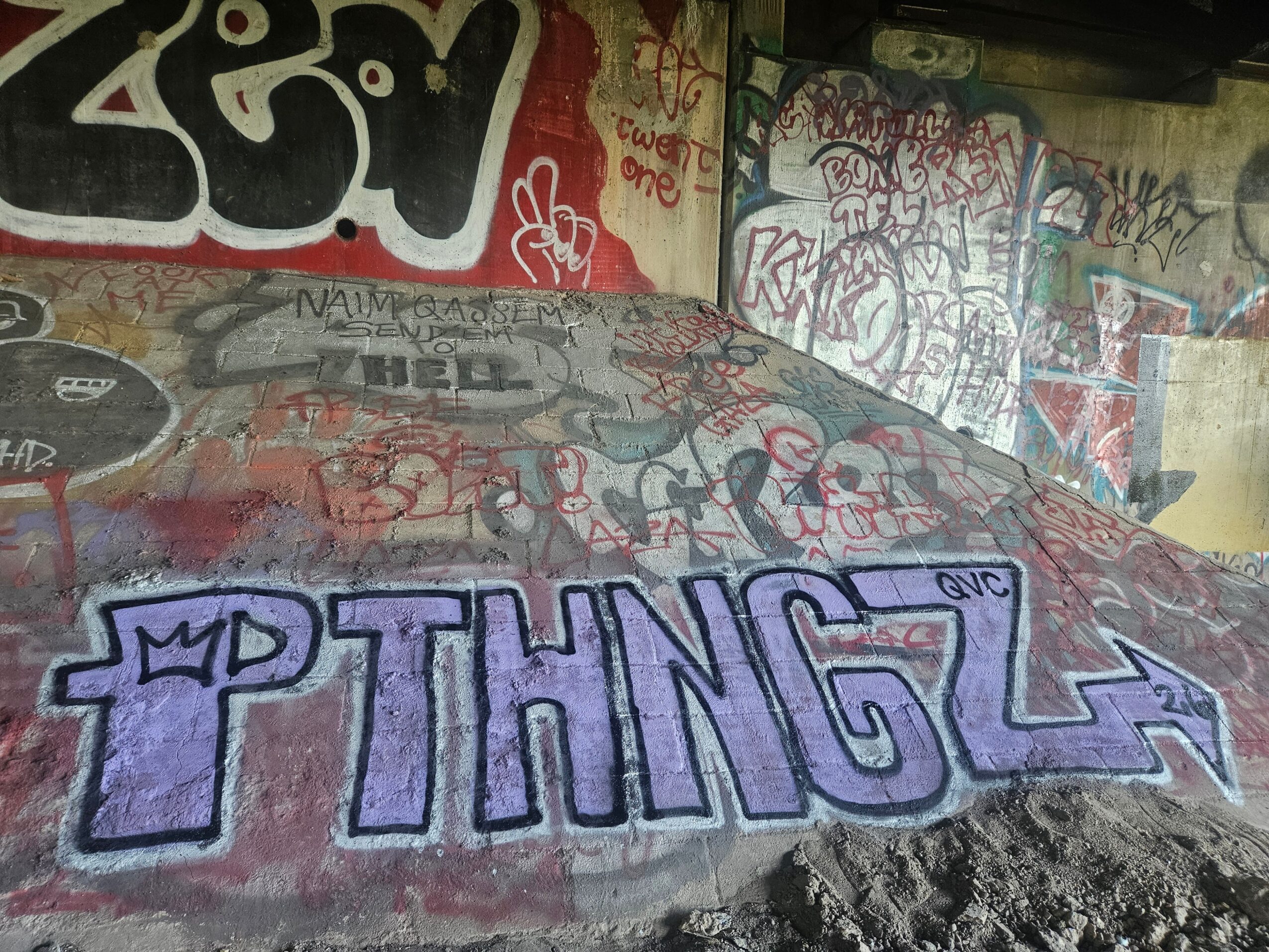
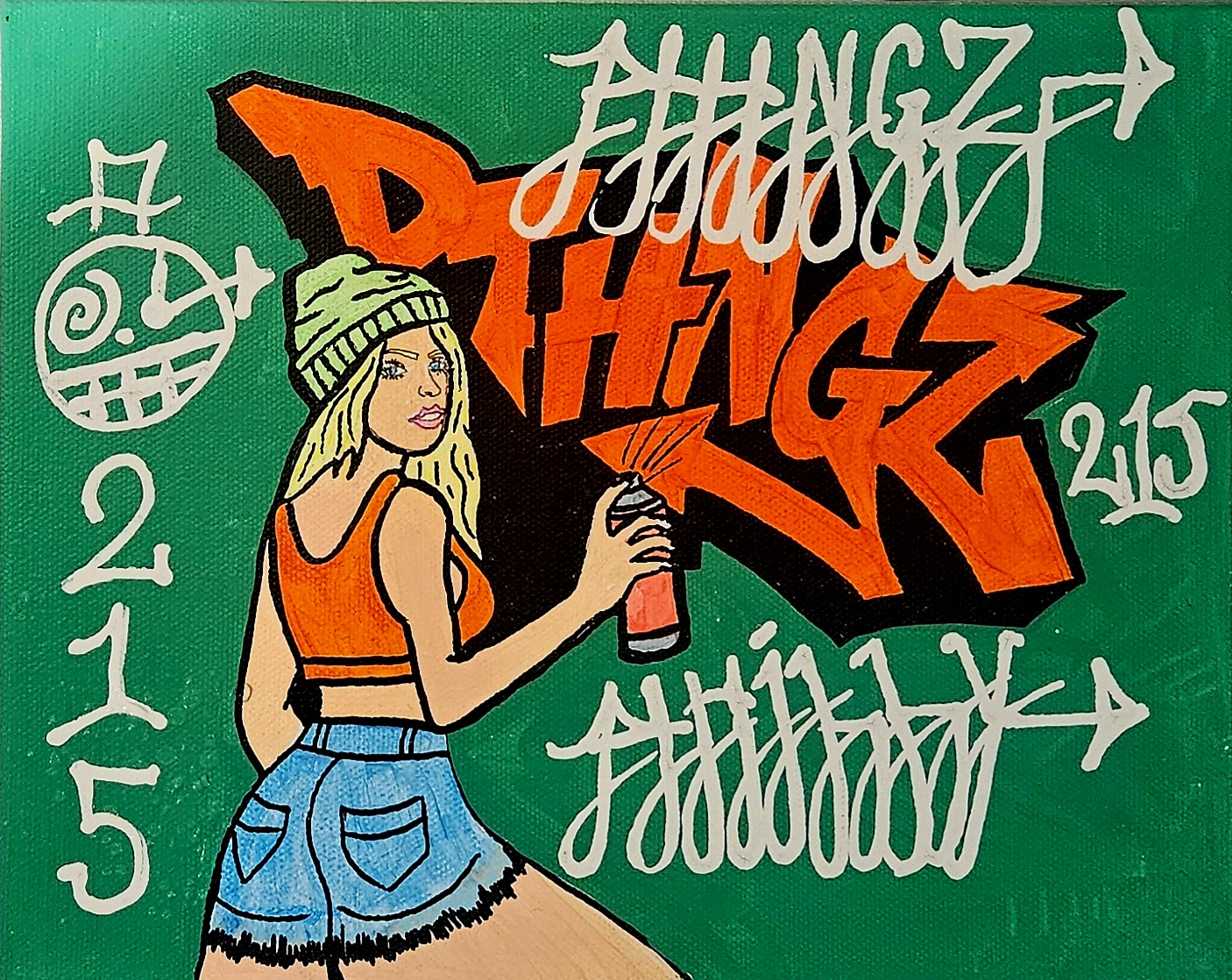
I’m a multidisciplinary artist, but I’ve always felt especially drawn to the rawness of street art; the immediacy of paste-ups, stickers, wheat paste, graffiti, found materials, bold graphics, and art that exists outside of traditional gallery walls. There’s something incredibly powerful about making something and putting it somewhere unexpected. You don’t need permission. You don’t need a pristine white gallery. You just need an idea, a surface, and the courage to put it out there.
That philosophy has become a huge part of who I am as an artist.
My work is heavily influenced by pop art, street culture, femininity, sexuality, queerness, politics, and the complicated experience of existing in a body that society constantly wants to define for you. I’m fascinated by the female form, but I’m equally fascinated by what happens when you take that form away from the male gaze and give it back to the person who owns it.
I want my work to say: this body belongs to me.
That became one of the central ideas behind my art.
I’ve spent a lot of my life learning what it means to have autonomy, to understand that I am allowed to take up space, to be angry, to be feminine without being submissive, to be sexual without being available, to be soft without being weak, and to be loud without apologizing for it.
There is a lot of rage in my work, but there is also a lot of tenderness.
That tension is where I live creatively.
I can make something unapologetically political and aggressive one day and something playful, glittery, colorful, or almost absurd the next. I don’t think those things contradict each other. To me, femininity can be fierce. Humor can be resistance. Beauty can be political. And anger can be incredibly creative.
My series There’s Beauty in Feminine Rage came from that exact place, the realization that rage isn’t something women should necessarily be taught to hide. Sometimes rage is the part of us that knows something is wrong before we have the words to explain it.
And sometimes you need to scream.
Sometimes you need to paint it.
Sometimes you need to wheat-paste it to a wall.
My art has increasingly become a form of activism, too. I’ve created work surrounding reproductive rights, bodily autonomy, women’s rights, LGBTQIA+ rights, immigration, ICE, political repression, war, and the people and communities I believe deserve to be protected.
I don’t make political art because I think a painting is going to single-handedly change the world.
I make it because silence has never felt like an option for me.
Art can start conversations. It can make someone uncomfortable. It can make someone laugh. It can make someone feel seen. It can make someone stop walking down the street and think for three seconds about something they otherwise might have ignored.
Those three seconds matter to me.
So does community.
One of the things I’ve learned through being an artist is that art doesn’t have to be competitive. Some of my favorite experiences have come from bringing artists together, creating spaces for collaboration, organizing shows, trading stickers, putting up paste-ups, sharing resources, and watching people who may have never met before become part of the same creative ecosystem.
That philosophy eventually grew into Concrete Canvas Collective, where I’ve been able to combine my love of making art with my love of creating opportunities for other artists.
I don’t just want to make things.
I want to build things.
I want to create spaces where artists feel welcome, where weird ideas are encouraged, where emerging artists aren’t made to feel like they have to earn the right to call themselves artists, and where people can experience art without feeling like they need to understand some secret language first.
My own path hasn’t been particularly linear.
I’ve worked in completely different worlds while building my creative life on the side. I’ve spent years working with data, CAD, customer service, sales, business operations, and systems. Those experiences might seem completely disconnected from art, but they taught me things I now use constantly; organization, problem-solving, communication, project management, persistence, and how to turn a giant mess of moving parts into something functional.
Being an artist isn’t just about having ideas.
It’s about figuring out how to make those ideas real.
It’s learning how to build the thing you wish existed.
It’s being rejected and trying again.
It’s figuring out how to pay for materials.
It’s hauling artwork.
It’s hanging shows.
It’s making stickers at ridiculous hours.
It’s answering emails.
It’s promoting yourself when you’d rather hide.
It’s cleaning paint off everything you own.
It’s putting something deeply personal into the world and accepting that somebody might hate it.
And then making another one anyway.
I think that’s one of the biggest things I’ve learned: you have to keep making.
Even when you’re scared.
Even when you don’t feel good enough.
Even when the algorithm doesn’t care.
Even when nobody buys anything.
Even when you question whether anyone is paying attention.
You make it anyway.
Because eventually, somebody sees themselves in it.
That’s what I want from my work.
I want someone to see a piece of mine and feel something.
Maybe they laugh.
Maybe they get angry.
Maybe they feel represented.
Maybe they feel a little less alone.
Maybe a woman looks at one of my pieces and remembers that her body is hers.
Maybe a queer kid sees something I’ve made pasted to a wall and realizes there are people out here creating the world they want to live in.
Maybe someone who has never considered themselves an artist picks up a paintbrush.
If my work can create even one of those moments, then it has done something meaningful.
I also think I’ve become much less interested in the idea that art has to fit neatly into one category.
I’m not interested in being told I have to choose between being a painter, a street artist, a curator, a designer, a political artist, a business owner, or a community organizer.
I’m all of those things.
That’s the point.
@painted_thingies is not just a name attached to paintings. It’s a place where all of those parts of me can exist.
It’s messy.
It’s colorful.
It’s political.
It’s feminine.
It’s queer.
It’s angry.
It’s playful.
It’s sometimes completely ridiculous.
And it’s mine.
I think that’s ultimately what my journey as an artist has been about: learning to take ownership.
Of my body.
Of my voice.
Of my anger.
Of my femininity.
Of my creativity.
Of my story.
And then taking all of those things and turning them into something other people can see.
I don’t know exactly where this path is going to take me.
But I know I want to keep making things that challenge people, make people feel something, and remind them that art doesn’t have to behave.
Neither do I.
And I’m still figuring it all out; one piece, one wall, one sticker, one mess, and one beautiful act of creative rebellion at a time.
Alright, so let’s dig a little deeper into the story – has it been an easy path overall and if not, what were the challenges you’ve had to overcome?
No. Not even close.
There have been a lot of moments where becoming an artist felt less like following a dream and more like fighting my way back to myself.
For a long time, I didn’t really know where I fit. I knew I was creative, but I didn’t necessarily see myself as an artist. I was working, paying bills, building a career, taking care of responsibilities, and trying to be a functioning adult while this other part of me kept getting louder. There was always this voice in the back of my head saying, “You are supposed to be making something.”
And I ignored it for a long time.
I think part of that came from believing that being an artist was something you had to earn. That you needed permission. That you needed the right education, the right connections, the right gallery, the right résumé, or someone important to tell you that you were good enough.
Eventually, I realized that nobody was coming to give me permission.
So I gave it to myself.
That sounds empowering when you say it that way, but getting there was incredibly difficult. There have been periods of financial stress, professional uncertainty, rejection, burnout, self-doubt, and feeling like I’m constantly trying to prove that what I do has value. I’ve had experiences professionally that were incredibly painful and made me question my own worth. I’ve had to start over and rebuild parts of my life more than once.
And when you’re already questioning yourself, the art world can make that feeling even louder.
It’s very easy to look around and think everyone else is further ahead. Someone has the gallery representation you want. Someone else has thousands of followers. Someone is selling work for more money than you can imagine. Someone seems to have everything figured out.
Meanwhile, you’re sitting on your floor covered in paint, trying to figure out how you’re going to pay for your next batch of canvases.
I’ve had to learn that comparison will destroy you if you let it.
My biggest struggle has probably been learning to believe that my voice is worth hearing.
That’s especially difficult because my work is personal. I make art about women’s bodies, sexuality, femininity, queerness, bodily autonomy, reproductive rights, political anger, and resistance. I’m taking things that society has spent a lifetime telling women and queer people to be quiet about and putting them directly onto walls, canvases, stickers, and paste-ups.
There is vulnerability in that.
Sometimes I’m putting a piece into the world that feels like I’m exposing a part of myself. And once it’s out there, I don’t get to control how people interpret it.
But I’ve also realized that the things I’m most afraid to say are often the things someone else desperately needs to hear.
My anger has become part of my art.
For a long time, I thought anger was something I needed to manage, soften, or hide. I was taught in a million subtle ways that being a woman meant being pleasant, accommodating, pretty, understanding, and quiet.
I’ve become very interested in what happens when you stop apologizing for the anger.
When you take that rage and turn it into color.
When you take it and paint a woman’s body.
When you turn it into a sticker and put it on a wall.
When you make something beautiful out of something that hurt you.
That’s where a lot of my work comes from.
But there have been struggles beyond the art itself. Building a creative career while navigating the realities of life isn’t romantic. There are bills. There are responsibilities. There are days when you’re exhausted and still have deadlines. There are moments when you wonder whether you should just get a “normal” job and stop making things so complicated.
I’ve had those thoughts.
I’ve had days where I wondered if I was completely out of my mind for believing I could build something of my own.
And then I’ll walk past something I’ve created on a wall.
Or someone will tell me that one of my pieces made them feel seen.
Or an artist I’ve worked with will tell me that an opportunity I helped create meant something to them.
And suddenly I remember why I’m doing this.
That’s also why Concrete Canvas Collective became so important to me.
I don’t just want to make art for myself. I want to create the kind of community I wish I’d had when I was trying to find my way.
I know what it feels like to feel like an outsider.
I know what it feels like to wonder if you’re good enough.
I know what it feels like to look at an art space and think, *Do I belong here?*
So I want to build spaces where the answer is “yes.”
I want the weird artist. The beginner. The person who has never shown their work before. The person making art at their kitchen table. The person who doesn’t know the “right” people. The person who has been told their work is too political, too feminine, too queer, too angry, too much.
I want them to have a place.
Because I’ve spent a lot of my life feeling like I was too much.
Too emotional. Too passionate. Too outspoken. Too creative. Too angry. Too sensitive.
And now I think maybe “too much” was never the problem.
Maybe I just needed somewhere big enough to put all of it.
That’s what art has become for me.
A place to put everything.
The pain. The joy. The rage. The softness. The sexuality. The politics. The humor. The absurdity. The hope.
I don’t think my struggles made me an artist, but they definitely taught me why I need to make art.
The road hasn’t been smooth. There have been times I’ve felt completely lost. There have been times I’ve had to start over. There have been times when I’ve questioned whether any of this was worth it.
But every time I thought about giving up, there was still something inside me that wanted to create.
So I kept going.
And maybe that’s what being an artist is for me, not having everything figured out, not always being confident, and definitely not having a perfect path.
It’s continuing to make something out of your life, even when the raw materials you’ve been given aren’t what you would have chosen.
It’s taking the broken pieces and saying, “okay, what can I make from this?”
That’s what I’ve been doing.
And I’m still doing it.
Thanks for sharing that. So, maybe next you can tell us a bit more about your work?
My work is really about taking things that society has taught us to hide and putting them directly into the light.
I’m a multidisciplinary artist working across painting, mixed media, street art, paste-ups, stickers, found materials, and graphic work. A lot of my work is rooted in femininity, sexuality, queerness, bodily autonomy, rage, empowerment, and the complicated relationship we have with our bodies and the way other people perceive them.
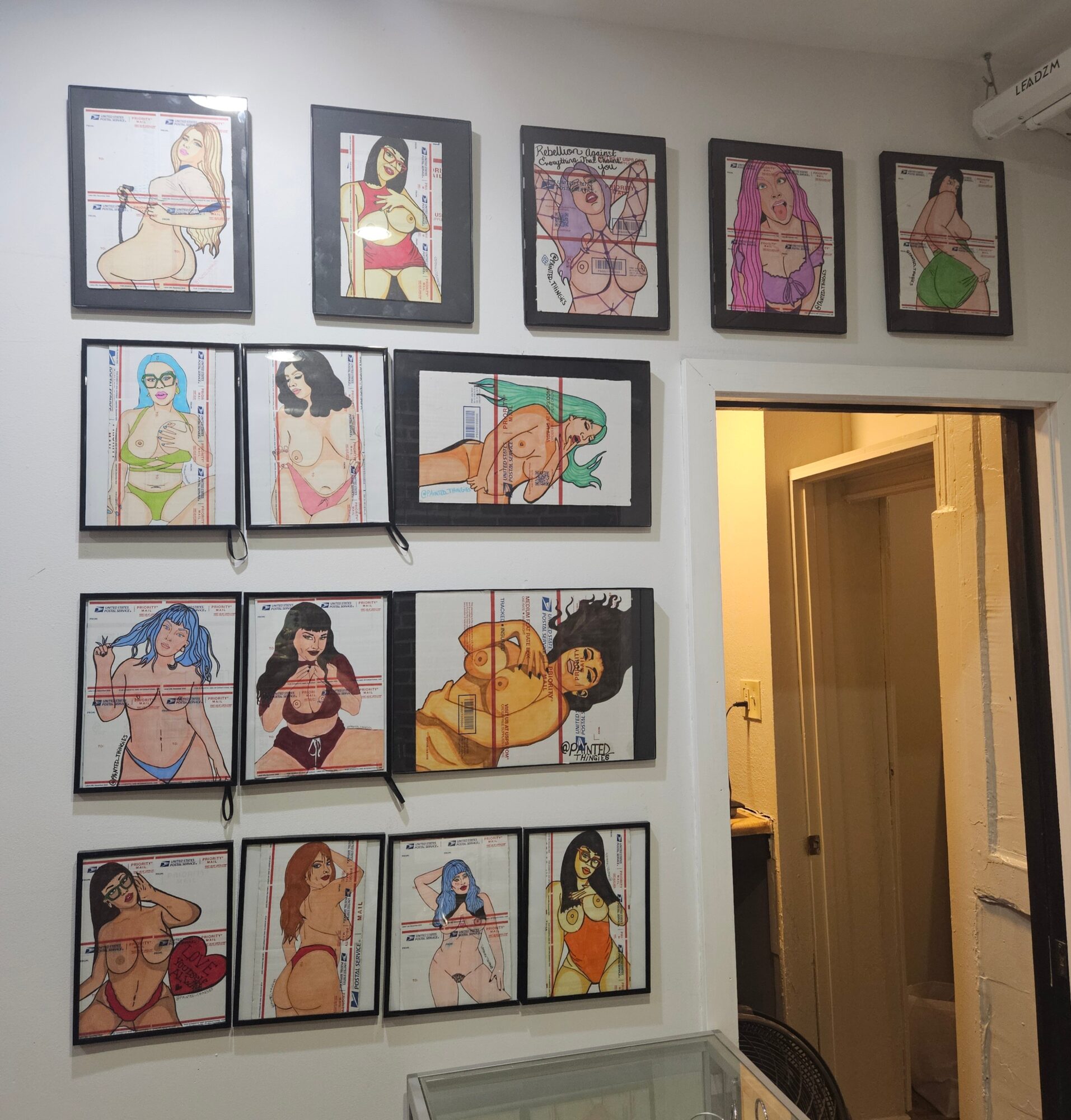
But probably the most recognizable and personal part of my work is my erotic art.
My erotic work is incredibly important to me because I don’t see eroticism as something shameful or something that exists solely for someone else’s consumption. I’m interested in reclaiming the erotic image and taking it away from the traditional male gaze.
There is a huge difference between being sexualized and being sexual.
That distinction is at the heart of a lot of my work.
For generations, women’s bodies have been depicted through the perspective of someone else—how we’re supposed to look, how we’re supposed to behave, what parts of our bodies are considered desirable, and what parts we’re supposed to hide. I wanted to create work where the female body wasn’t asking for permission to exist.
My women aren’t necessarily trying to be beautiful for you.
They’re not necessarily trying to be sexy for you.
They’re existing for themselves.
They’re powerful. They’re messy. They’re sensual. They’re angry. They’re vulnerable. They’re confident. They’re complicated.
Sometimes they’re unapologetically erotic.
And that’s intentional.
For me, erotic art can be a conversation about autonomy. It can be about consent. It can be about pleasure. It can be about identity. It can be about vulnerability and confidence existing simultaneously. It can be about looking at a body and saying, this is mine, and I get to decide what it means.
I think there’s something incredibly powerful about taking an image that historically has been used to objectify women and reclaiming it as an expression of female agency.
That’s what I want my erotic work to do.
I don’t want the viewer to simply look at a body. I want them to question why they’re looking at it, what assumptions they’re bringing with them, and who they believe that body belongs to.
And I want women and queer people looking at my work to feel like they can see themselves in it without feeling ashamed.
That has become one of the most rewarding parts of making this work.
One of the things I’m most proud of is finally giving myself permission to make the art I actually wanted to make—and then having other people connect with it.
That culminated in something that still feels surreal to say out loud: earlier this year, I had my first solo exhibition in Philadelphia.
The show was VENOM & VELVET, and it was incredibly emotional for me because it represented five years of my artistic life.
Five years of experimenting.
Five years of figuring out what I wanted to say.
Five years of paintings, mistakes, growth, anger, sexuality, femininity, street art, and trying to understand what my own artistic voice actually sounded like.
To have all of that work in one space and be able to stand there and say, this is what I’ve been building was something I’ll never forget.
And I absolutely could not have done it without two people who believed in me.
I want to give a huge and very genuine shout-out to my co-curator and fellow artist Alex Spalding (@aspaldingart). Alex believed in my work and believed that I deserved the opportunity to have a solo show before I was necessarily confident enough to believe it myself.
Sometimes you need someone else to see something in you before you can see it in yourself.
Alex helped make that happen.
And I am incredibly grateful.
I also have to thank Anastasia (@faceclockgallery), the owner of FaceClock Zero Proof Lounge & Gallery, for giving me the space to showcase five years of my work.
Giving an artist a wall is one thing.
Giving them a space to tell their story is something entirely different.
Anastasia gave me the opportunity to take all of these pieces of myself that had existed separately over the years and bring them together under one roof. Having that work exist in Philadelphia, the city I now call home, made the experience even more meaningful.
I think what sets me apart is that I’m not particularly interested in staying in one lane.
I don’t want to be just a painter.
I don’t want to be just a street artist.
I don’t want to be just an erotic artist.
I don’t want to be just a political artist.
I’m interested in all of those things existing together.
I can make something incredibly vulnerable and sensual and then turn around and make something loud and political. I can create something beautiful and feminine while simultaneously making it confrontational.
I don’t see those things as contradictions.
That’s life.
That’s femininity.
That’s queerness.
That’s being human.
My work can be sexy and angry at the same time.
It can be beautiful and uncomfortable.
It can make you laugh and then make you question something you thought you understood.
And I think that’s where the heart of @painted_thingies really lives.
I’m not trying to make art that simply looks good on someone’s wall.
I want to make art that makes people feel something.
I want someone to see an erotic painting and think about their own relationship with their body.
I want someone to see a piece about feminine rage and realize that anger isn’t inherently ugly.
I want queer people to see themselves represented without being reduced to a stereotype.
I want someone walking down a Philadelphia street to encounter one of my paste-ups and have their entire day interrupted for five seconds.
I want my work to start conversations.
Most importantly, I want people to understand that eroticism doesn’t have to mean objectification, femininity doesn’t have to mean weakness, and anger doesn’t have to mean ugliness.
Those things can coexist.
And maybe that’s what I’m most proud of.
Not just that I’ve had the opportunity to exhibit my work, but that I’ve finally reached a point where I don’t feel like I have to apologize for what I create.
Five years ago, I was still figuring out what my voice was.
Now I’m putting that voice on walls.
And I’m not whispering anymore.
Do you have any advice for those looking to network or find a mentor?
Community is probably the biggest reason I am the artist I am today.
Honestly, community is my mentor.
I don’t think I would be where I am without the people who came before me, the artists who opened doors before I even knew those doors existed, and the people who have been generous enough to share their knowledge, their history, their experiences, and their spaces with me.
I have an enormous amount of gratitude for the artists who paved the way for people like me to exist in these spaces today.
Philadelphia has such a deep and legendary history of graffiti and street art, and being welcomed into even a small part of that history has meant more to me than I can really put into words. I’ve been incredibly fortunate to connect with artists behind legendary Philly graffiti crews like ICP and KMD, and what has meant the most to me hasn’t necessarily been the recognition of their names or their reputations—it’s been their kindness.
They’ve been willing to talk to me, share their history, tell me stories, answer questions, and let me learn from their experiences. That kind of generosity is something I don’t take for granted.
There is so much history in Philadelphia’s walls that you can’t learn from a textbook.
It’s living history.
It’s passed from artist to artist, story to story, wall to wall.
And when someone who helped build that history is willing to sit down and share it with you, that’s an incredible gift.
I feel the same gratitude toward collectives and organizations like @stepoutsideshow.
Step Outside Show opened up a part of the Philadelphia creative community to me when I was still finding my footing. They created spaces where artists could actually exist, experiment, meet each other, learn, show their work, and be recognized.
And I think people sometimes don’t realize how much work goes into creating those spaces.
From the outside, you see the event.
You see the art.
You see the artists.
You see the crowd.
What you don’t necessarily see are all the hours, conversations, organizing, networking, problem-solving, money, stress, physical labor, and emotional energy that went into making that moment possible.
And so much of that work is completely selfless.
There are people in this community who spend enormous amounts of their own time and energy creating opportunities for other artists without expecting anything in return.
They’re not doing it for money.
They’re not doing it because they want to become famous.
They’re doing it because they love art.
They love Philadelphia.
They love their communities.
And they genuinely want other people to have the opportunities that maybe weren’t available to them.
That kind of generosity has profoundly influenced me.
It’s made me realize that success in the arts doesn’t have to be a ladder where you’re stepping on people underneath you to climb higher.
It can be a table where you keep adding chairs.
And that’s the kind of artist I want to be.
I want to leave the door open behind me.
I want to share what I’ve learned.
I want to introduce artists to other artists.
I want to create opportunities.
I want to help someone else have the experience that someone once gave me.
That’s a huge part of why Concrete Canvas Collective matters so much to me. I’m trying to contribute to the same ecosystem that has given me so much.
And I’m still learning.
Constantly.
I’ll learn something from an artist who’s been painting for thirty years. I’ll learn something from someone who just picked up a spray can for the first time. I’ll learn something from a curator. I’ll learn something from a kid putting up their first sticker. I’ll learn something from a conversation at an art show.
That’s why I say community is my mentor.
Because my education hasn’t just happened in studios or galleries.
It’s happened on sidewalks.
At shows.
On walls.
In conversations.
Through collaborations.
Through people who were willing to say, “Here, let me show you how we used to do it.”
And I think there’s something really beautiful about that.
Art history isn’t just what ends up in museums.
It’s also the people who kept creating when nobody was watching.
It’s the crews who built entire visual languages on Philadelphia’s walls.
It’s the artists who took risks.
It’s the people who organized shows when they had no idea if anyone would come.
It’s the person who let another artist use their wall.
It’s the person who bought someone’s first piece.
It’s the person who gave another artist a contact.
It’s the person who stopped to say, “I like what you’re doing. Keep going.”
Those seemingly small acts are how communities are built.
And I am incredibly grateful to be part of one.
I also feel a responsibility to honor the people who came before me by continuing that generosity.
Because I don’t want to simply benefit from the community.
I want to contribute to it.
I want to help make Philadelphia’s art community bigger, louder, stranger, more inclusive, and more connected.
I want the next generation of artists to walk into these spaces and feel like they belong.
Because someone made me feel like I belonged.
And that changed everything.
So when people ask me who my mentors are, I could give them a list of names.
But the truth is, my mentor is bigger than any one person.
My mentor is community.
The artists who came before me.
The artists beside me.
The artists who opened doors.
The people who shared their stories.
The people who built spaces.
The people who continue doing the work simply because they love art and they love each other.
I’m standing on the shoulders of a lot of people.
And I don’t ever want to forget that.
Contact Info:
- Instagram: Https://www.instagram.com/painted_thingies