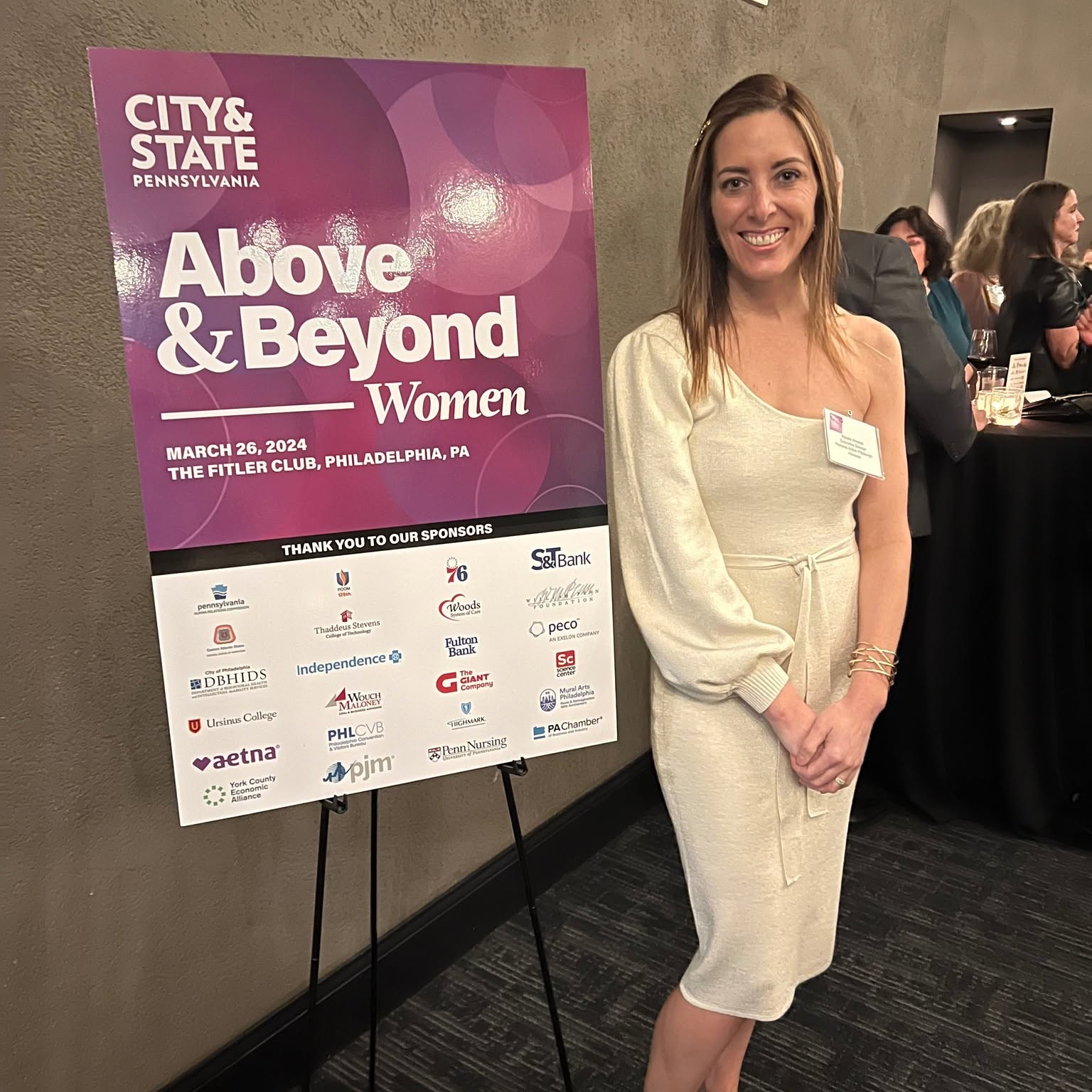



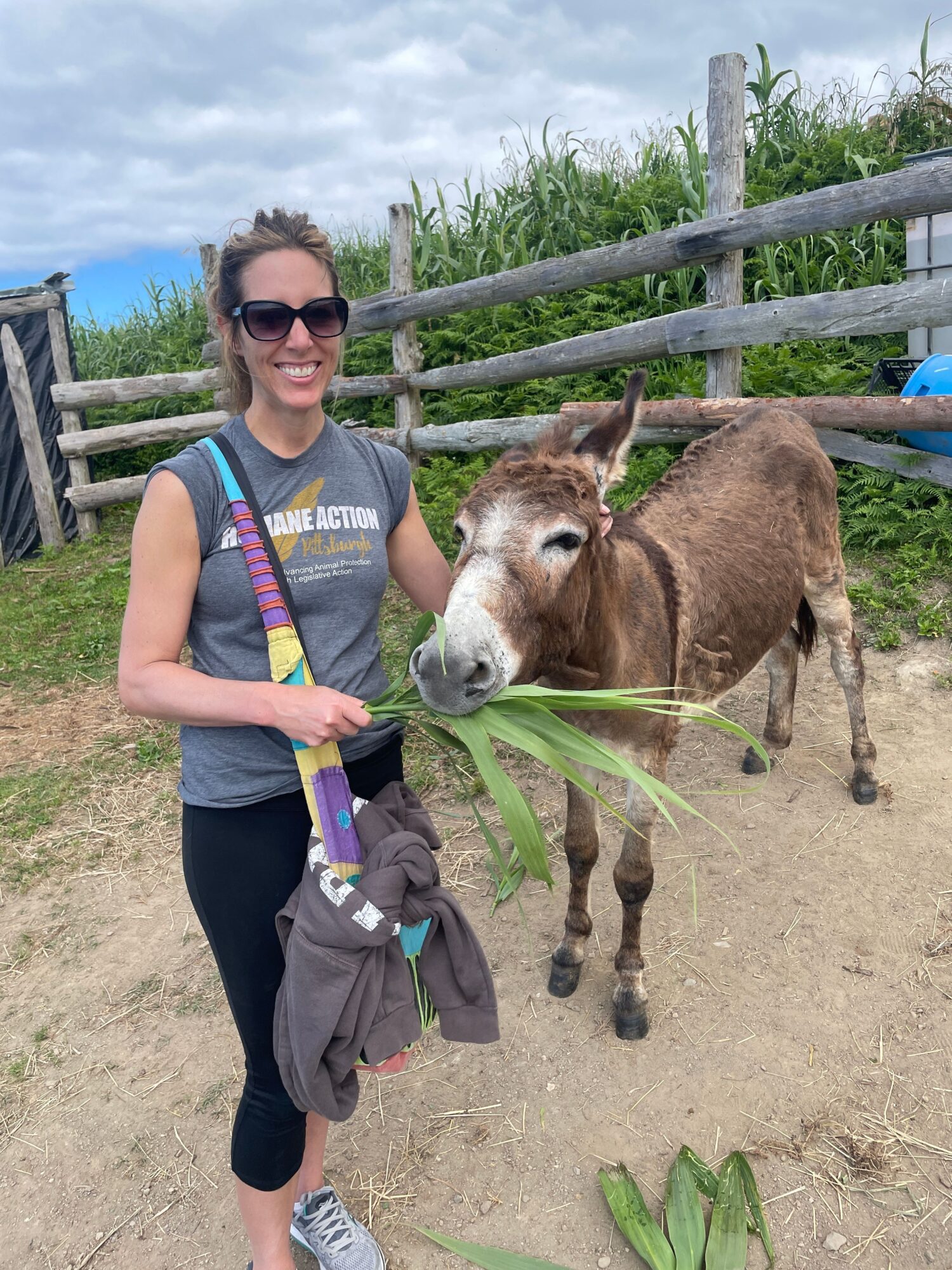
Today we’d like to introduce you to Natalie Ahwesh.
Hi Natalie, so excited to have you on the platform. So before we get into questions about your work-life, maybe you can bring our readers up to speed on your story and how you got to where you are today?
After graduate school, I became a math teacher. I taught high school for several years and then spent about a decade teaching college. Throughout that time, I was always passionate about helping animals, but I never really considered animal advocacy as a potential career. I volunteered for years with shelters and rescue organizations, doing what I could in my spare time.
Then I heard about a new organization that was forming called Humane Action Pittsburgh. I attended its very first meeting in a church basement, and the mission immediately resonated with me. I had always thought about helping animals one at a time, but HAP introduced me to a different approach: educating communities, advancing public policy, and giving people meaningful ways to get involved. I realized that this kind of work could not only help individual animals, but also change hearts and minds and address the systems that affect animals on a much larger scale.
I jumped in and became increasingly involved with the organization, eventually becoming Executive Director. Ultimately, I made the decision to leave teaching and devote myself full-time to this work. In 2025, we rebranded as Humane Action Pennsylvania to reflect how much the organization had grown beyond Pittsburgh and the truly statewide scope of our work today.
In some ways, teaching and advocacy are more connected than they might seem at first. Both are about communicating complicated ideas in ways people can understand, meeting people where they are, and hopefully inspiring them to think differently and take action.
Can you talk to us a bit about the challenges and lessons you’ve learned along the way. Looking back would you say it’s been easy or smooth in retrospect?
Running a nonprofit is never a completely smooth road, especially when you are advocating for animals, who truly have no voice in the decisions that affect them.
One of the biggest challenges is getting animal welfare issues prioritized when so many other pressing concerns compete for people’s attention. Most people will tell you they love animals, but it can be much harder to get them engaged on issues involving animals beyond their own companions. There is often a sense that something else is “more important.”
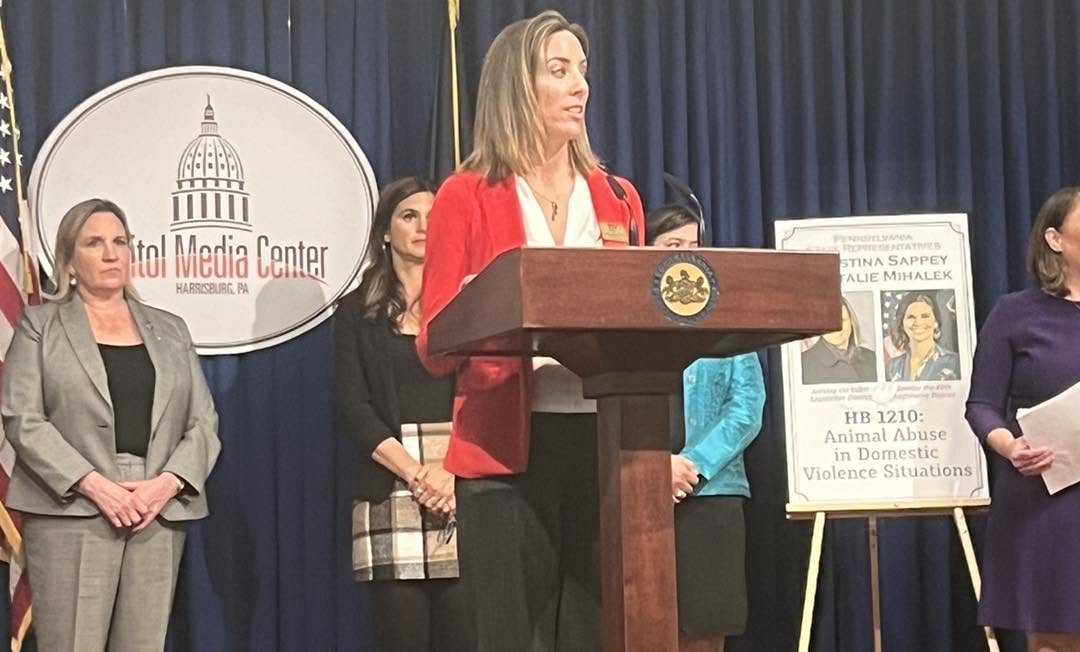
That is one reason we intentionally built our mission around demonstrating the connections between animal welfare and other social issues. Animal welfare rarely exists in a vacuum. For example, we helped pass statewide legislation in 2024 allowing companion animals to be included in Protection from Abuse orders. That law protects animals, but it is just as much about protecting people. Fear of leaving a beloved animal behind is a significant barrier that can prevent domestic violence survivors from leaving dangerous situations.
The same is true of much of our wildlife work. Protecting wildlife means protecting the places where animals live, so our work includes reducing single-use plastics, addressing litter and pollution, and beautifying community spaces. Cleaner communities improve quality of life and community pride for people while also creating safer environments for wildlife.
Our work around plant-based eating takes a similar approach. We talk about the environmental and human-health benefits of reducing meat consumption because those issues matter to people and are deeply interconnected with animal protection. And, of course, from an animal welfare perspective, raising and killing fewer animals for food is a tremendous benefit as well.
Another challenge is simply the pace of change. Policy advocacy requires patience. A bill you know would make an enormous difference may take years to pass—or may not move at all the first time around. You have to be willing to build relationships, educate decision-makers, find common ground, and keep showing up even when progress feels frustratingly slow.
And, of course, anyone who works in the nonprofit world will tell you that there are never enough donor dollars to go around. There are so many organizations doing important work, and you constantly have to demonstrate why your organization deserves someone’s hard-earned support. That can be challenging, but it also pushes us to be thoughtful about our impact and make sure we are using our resources where they can accomplish the most.
Alright, so let’s switch gears a bit and talk business. What should we know?
Humane Action Pennsylvania is a statewide animal protection organization focused on creating lasting change through education, public policy, and community action. We work on issues affecting companion animals, wildlife, farmed animals, and the environment, with the goal of improving animals’ lives while strengthening the communities we all share.
What sets us apart is our emphasis on interconnectedness. We don’t view animal welfare as a stand-alone issue. We look at how it intersects with public health, domestic violence, housing, environmental protection, community development, and other issues that affect people every day. That approach allows us to bring new voices into animal advocacy and build coalitions that might not otherwise come together.
Our work is also intentionally practical. We advocate for stronger laws and policies, but we also create programs that give people tangible ways to make a difference. That can mean training law enforcement officers on animal cruelty investigations, working with communities to reduce single-use plastics, engaging high school students through our Youth Steering Committee, advocating for more pet-inclusive housing, or bringing together organizations across Pennsylvania to advance animal protection initiatives.
I think we are also known for being willing to tackle issues that are difficult, politically complicated, or sometimes overlooked. We try to identify places where animals are falling through the cracks and then determine what combination of education, coalition-building, and policy change can actually move the needle.
What I am most proud of is that we have grown without losing the community-centered spirit that started in that church basement years ago. We began as a small Pittsburgh organization powered entirely by volunteers, and today we work across Pennsylvania while still placing a tremendous value on relationships and collaboration. We do not want people to simply support our work from the sidelines. We want them to see themselves as part of it.
Ultimately, I want people to know that Humane Action Pennsylvania is about making animal protection accessible, strategic, and effective. You do not have to work in animal welfare or dedicate your entire life to advocacy to make a difference. Everyone has a place in creating a more humane Pennsylvania.
Where do you see things going in the next 5-10 years?
I think one of the biggest shifts we will see over the next five to ten years is a broader understanding that issues affecting animals do not exist in a silo. Animal welfare connects to many other issues that affect all of us: public health, environmental protection, housing, food systems, community safety, and even economic policy. As people better understand those connections, I hope animal protection will increasingly be viewed as an important societal issue rather than something secondary, radical, or niche.
I also think we will continue to see the definition of “animal welfare” expand beyond companion animals. Our society has traditionally drawn very different lines around dogs and cats than we have around farmed animals, wildlife, fish, and other species. But those distinctions are largely cultural. A pig’s ability to experience fear, pain, comfort, and social connection does not become less meaningful simply because society may categorize that animal as food rather than a companion. The same broader conversation is beginning to happen around fish, wildlife, and other animals whose welfare has historically received far less public attention.
I think younger generations, in particular, are increasingly questioning those inconsistencies and thinking more holistically about how our choices affect animals. That does not necessarily mean everyone will reach the same conclusions or make the same lifestyle choices, but I believe expectations will grow that animal welfare be taken seriously across industries and species.
My hope is that, ten years from now, we will not have to work quite so hard to convince people that animal protection deserves a place at the table. We will recognize more readily that how we treat animals affects our communities, our environment, our health, and our shared future. Compassion should not stop with the animals who happen to live in our homes.
Contact Info:
- Website: https://www.humaneactionpennsylvania.org
- Instagram: https://www.instagram.com/humaneactionpennsylvania/
- Facebook: https://www.facebook.com/humaneactionpennsylvania
- LinkedIn: https://www.linkedin.com/company/humaneactionpennsylvania
- Twitter: https://x.com/HumaneActionPA
- Youtube: https://www.youtube.com/channel/UCOPiNddQ3zIMUsEM6VraTwQ