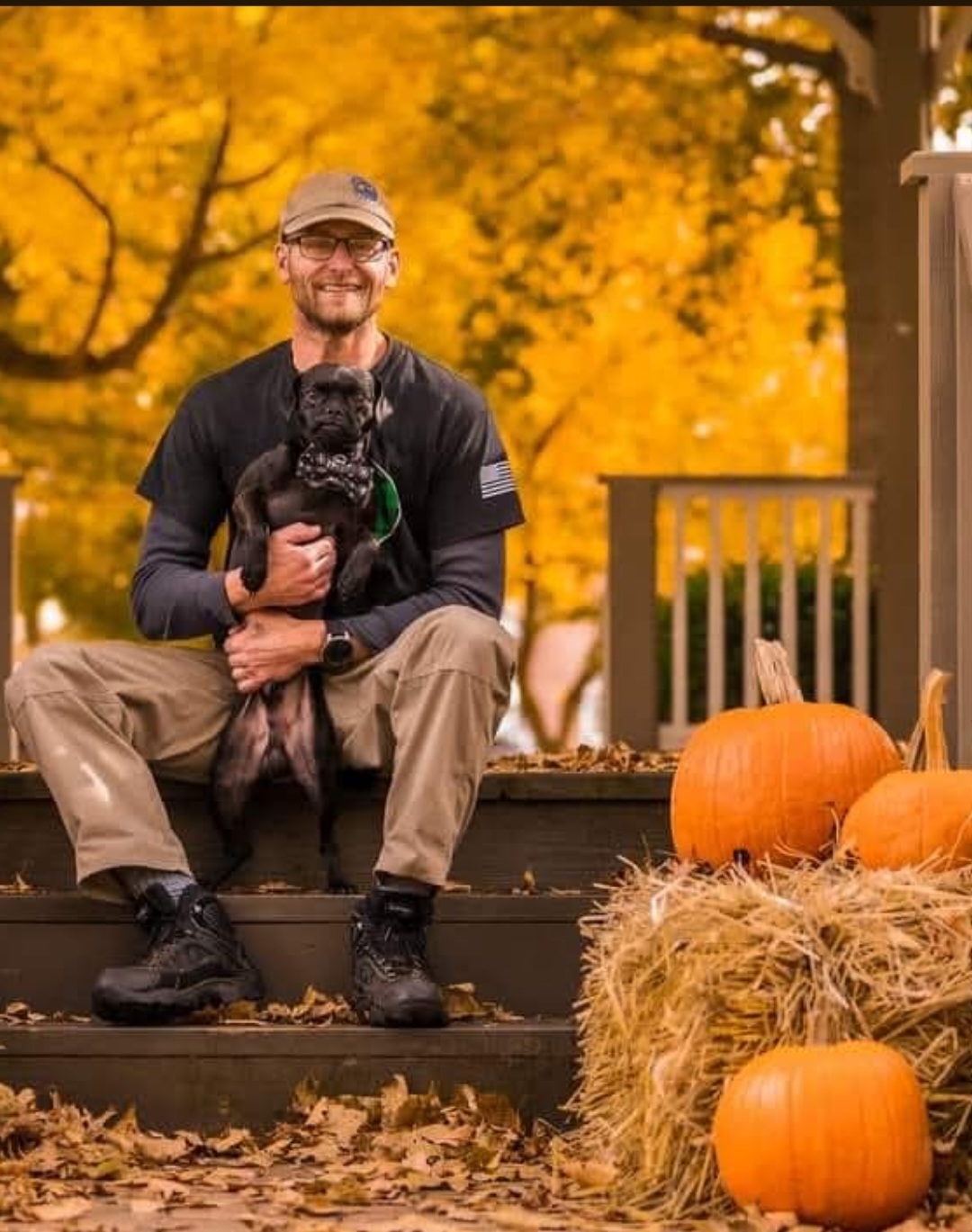



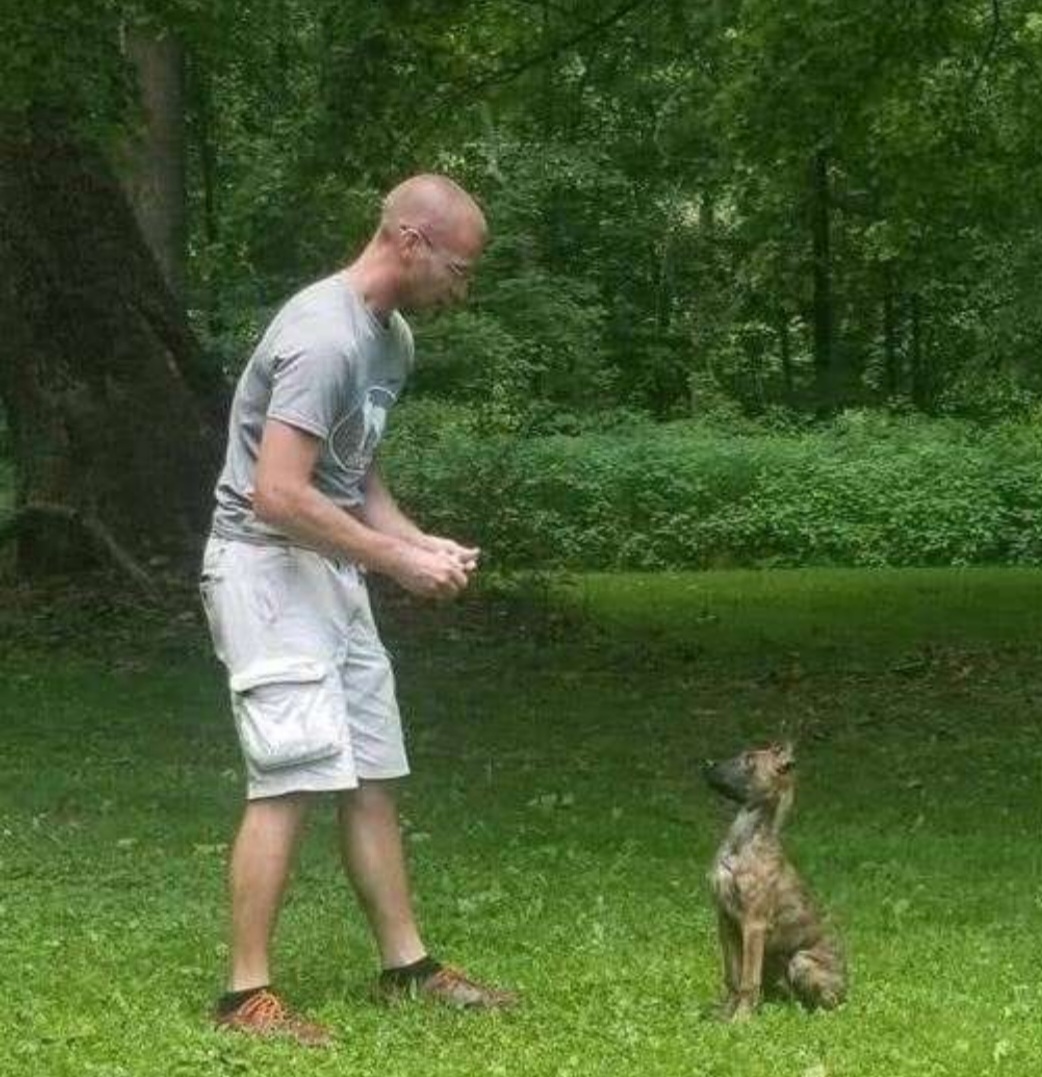
Today we’d like to introduce you to Dayton Cummings.
Hi Dayton, it’s an honor to have you on the platform. Thanks for taking the time to share your story with us – to start maybe you can share some of your backstory with our readers?
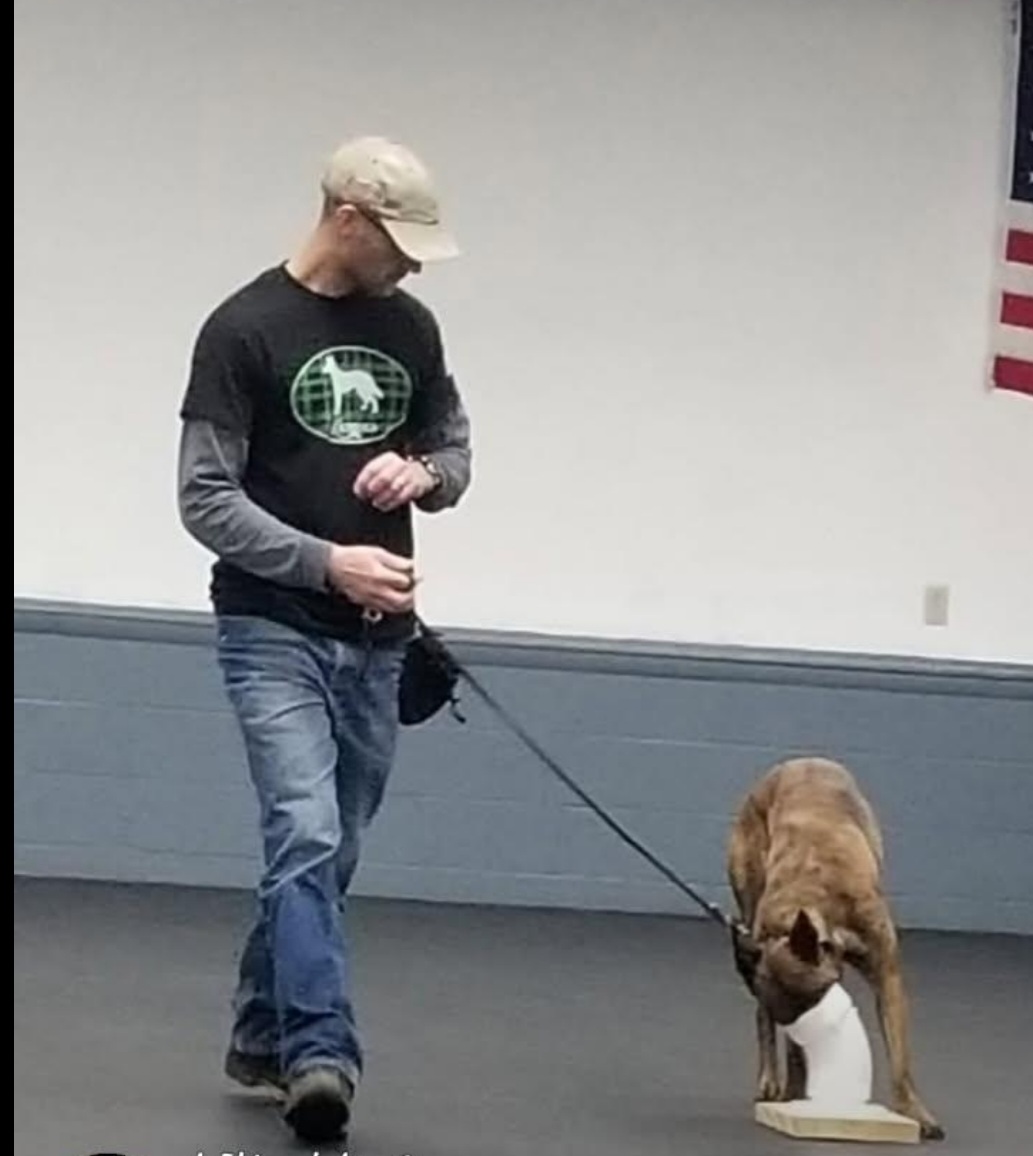
My journey with dogs started about 30 years ago, and like a lot of things in life, it wasn’t one straight path. I started out working in a kennel in Memphis, Tennessee, and later worked as a veterinary assistant. Those early experiences gave me the opportunity to work around a lot of different dogs and really started shaping my interest in training and behavior.
I eventually decided I wanted to take dog training much more seriously and attended Starmark Academy, where I spent two years studying and working hands-on with dogs. My education covered everything from basic and advanced obedience to behavior modification, agility, tracking, narcotics detection and protection work. I later continued my education working with Master Trainer Jim Sears in Illinois.
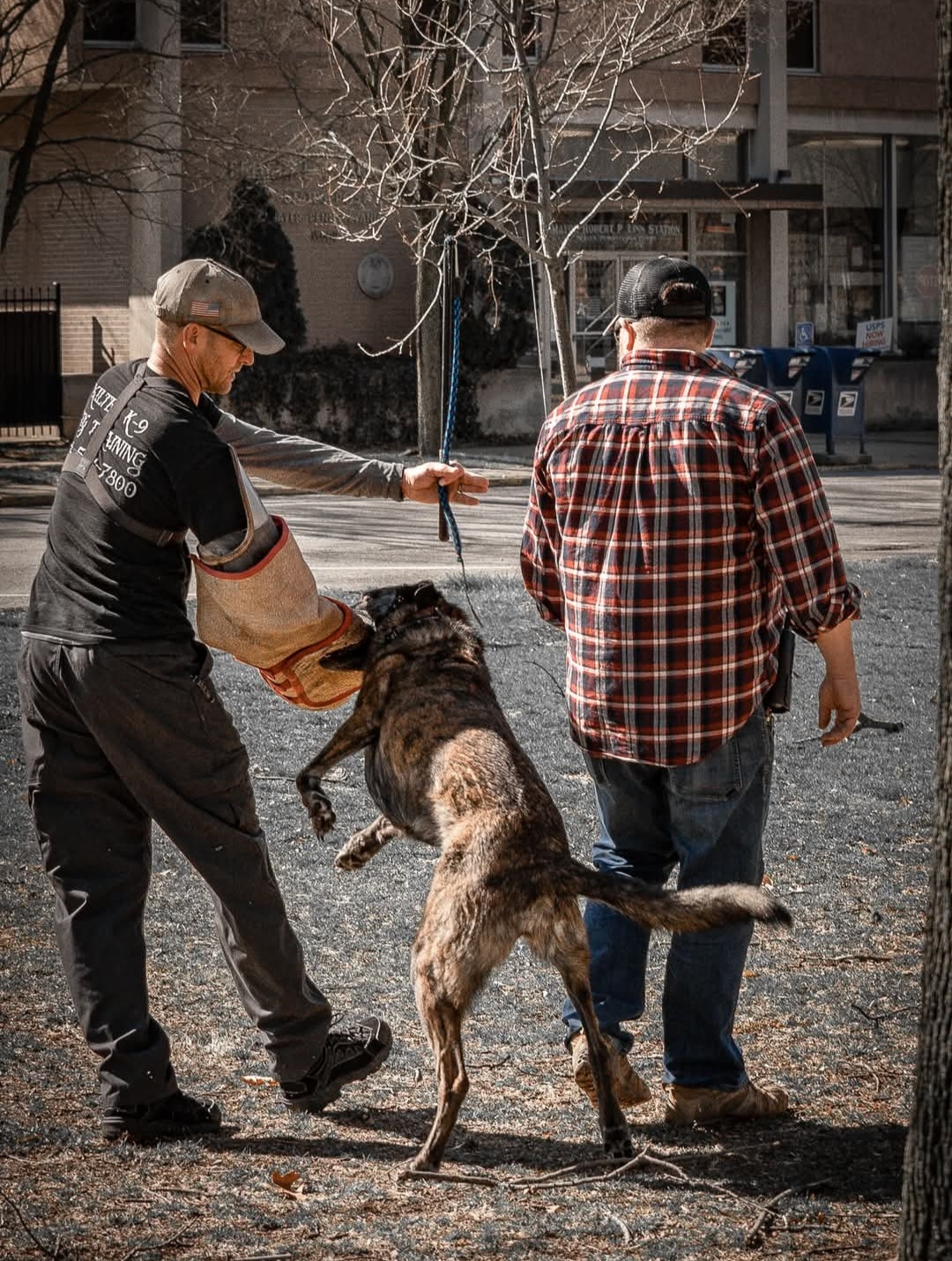
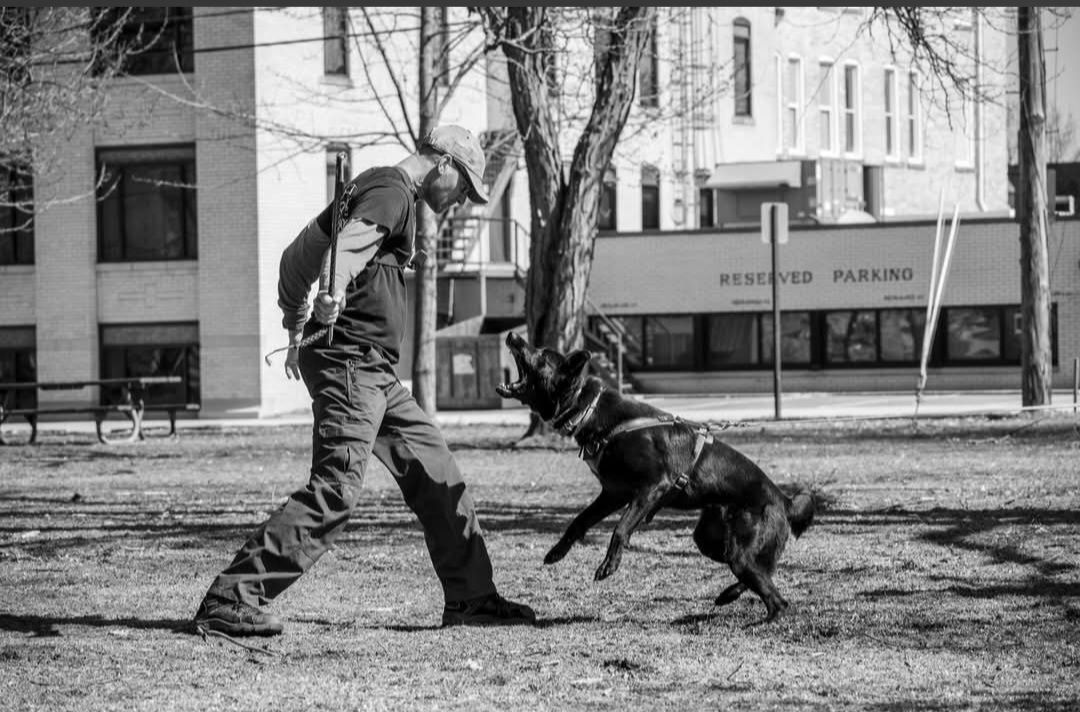
Over the years, I’ve also had the opportunity to work around several different areas of the dog world. I’ve done helper and decoy work in Schutzhund, French Ring and Mondioring, including working with dogs that competed at the world-team level. I’ve also worked alongside law enforcement in areas including narcotics detection, protection work and man-trailing. All of those experiences helped shape the way I look at dogs and training today.
Eventually, all of that came together in Kilted K-9 Dog Training. My goal has never been to simply teach dogs how to perform commands in a controlled environment. I want the training to work where people actually live their lives—with distractions, in public, on trails, around town and everywhere in between. That’s really where the idea behind “Real World Dog Training for the Real World” came from.
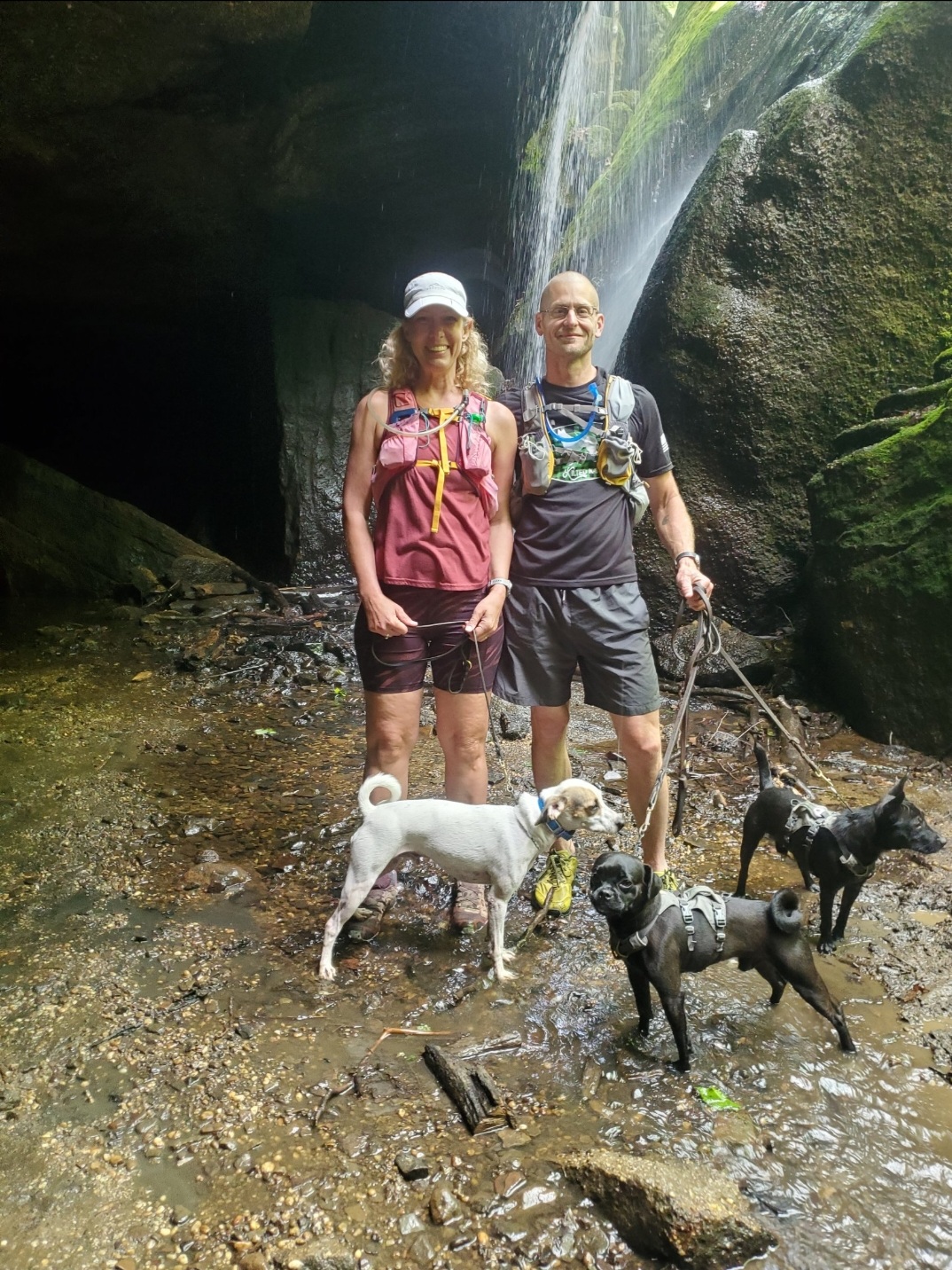
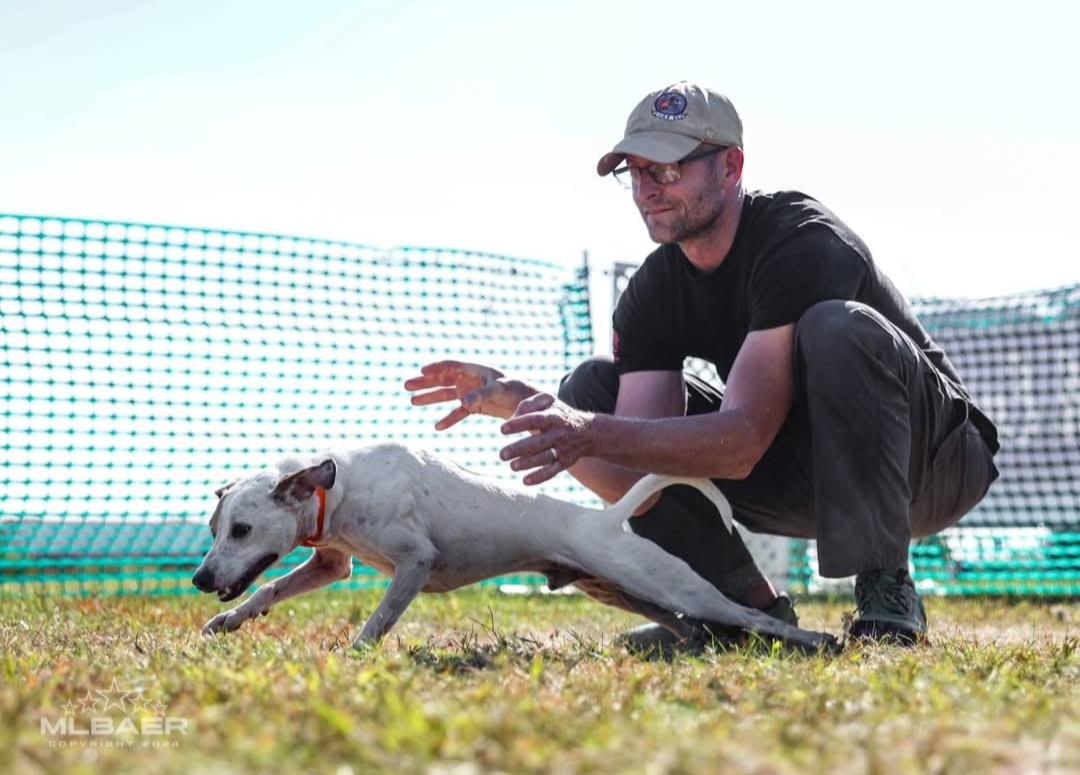
More recently, I’ve also been developing Adrenaline Dogs, which combines another big part of my life—getting outside and doing things with my dogs. We kayak, bike, hike, camp and travel together, and it gives me another opportunity to show what a trained dog can actually do when training becomes part of everyday life.
After roughly three decades of working with dogs, I’m still learning. Dogs have a great way of making sure that happens. Every dog standing in front of you is different, and I think becoming a better trainer means never assuming you’ve learned everything there is to know.
I’m sure it wasn’t obstacle-free, but would you say the journey has been fairly smooth so far?
It definitely hasn’t always been a smooth road. Years ago, I actually walked away from dog training for about a year. I had taken something I truly loved and, somewhere along the way, turned it into just a job. I was burned out and needed to get away from it.
That time away ended up being one of the most important periods in my career because it made me realize that training dogs wasn’t simply something I did for a living—it was in my blood. I missed the dogs, I missed the work, and I missed the challenge of figuring out what each individual dog needed.
When I came back, I came back with a completely different outlook. I stopped looking at success only in terms of the business and started appreciating why I got involved with dogs in the first place.
There are still hard days. Running a business has its ups and downs, and working with dogs and people can certainly challenge you. But one of the biggest things I learned from walking away is that even when times are difficult, I would rather be training dogs than doing just about anything else. After all these years, I still genuinely love what I do.
Appreciate you sharing that. What else should we know about what you do?
I own and operate Kilted K-9 Dog Training, where I specialize in real-world dog training. My focus has always been on helping people build dogs they can actually live with—not just dogs that perform well in a controlled training environment.
My background is pretty diverse. Over the years I’ve worked in basic and advanced obedience, behavior modification, tracking, protection sports, narcotics detection, man-trailing and other working-dog disciplines. I’ve also had opportunities to work alongside law enforcement and with high-level sport dogs. All of those experiences have influenced the way I train today.
I use a balanced approach to training, but more importantly, I try to train the individual dog in front of me. There isn’t one method, one tool or one formula that works for every dog. I spend a lot of time teaching owners how to understand what their dog is telling them and how their own timing, communication and handling affect the dog.
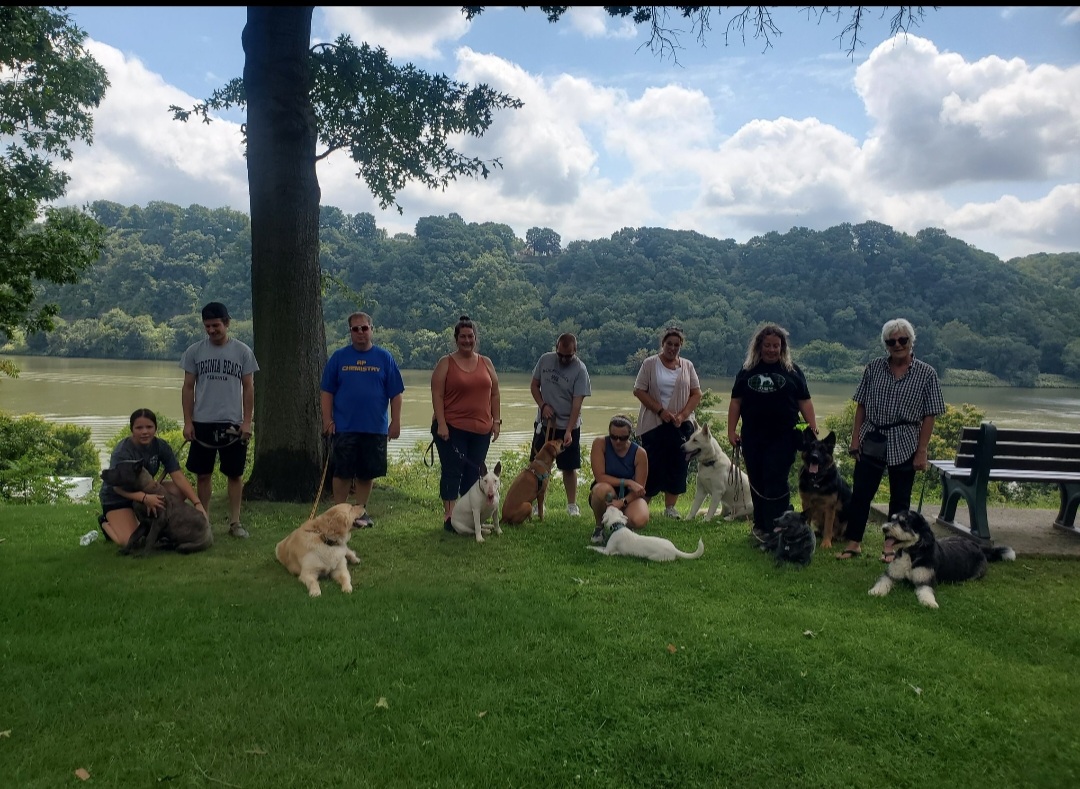
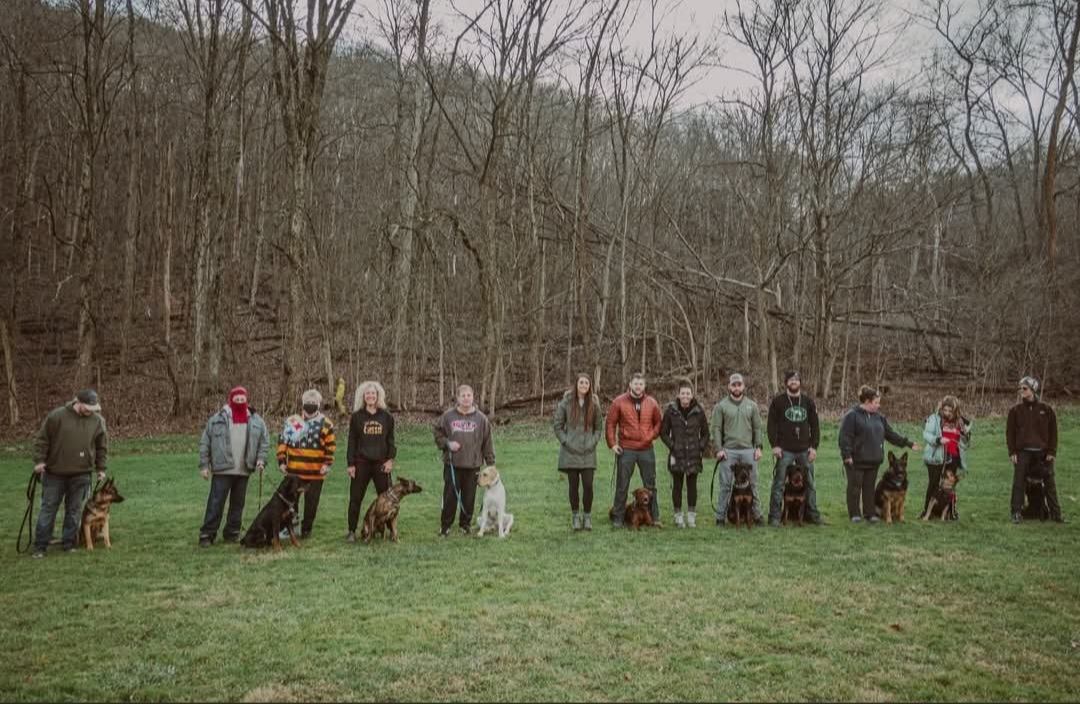
One thing that really sets Kilted K-9 apart is that I don’t operate out of a traditional training facility. Much of our training takes place in the real world—parks, stores, sidewalks, trails, busy public areas and other places where owners actually need their dogs to behave. A dog may know how to heel perfectly inside a training building, but the real question is whether that training holds up when life starts happening around them.
That philosophy is where “Real World Dog Training for the Real World” came from.
I’m also continuing to expand into areas I’m passionate about, including tracking and outdoor training, as well as Adrenaline Dogs, which combines training with hiking, biking, kayaking, camping and traveling with dogs. To me, that is one of the best demonstrations of what training can ultimately give an owner—more freedom and more opportunities to experience life with their dog.
What I’m most proud of isn’t a particular title or accomplishment. It’s seeing an owner who was frustrated or struggling with their dog suddenly realize that they can communicate with that dog and enjoy being together again. Helping create that relationship is probably the most rewarding part of what I do.
After roughly 30 years, I still don’t believe you ever reach a point where you know everything about dogs. Every dog can teach you something if you’re willing to pay attention. That mindset has probably shaped my career more than anything else.
What matters most to you?
What matters most to me is doing the best I can for my clients and, most importantly, for their dogs.
Every dog is different, and I take seriously the trust people put in me when they ask for help. My goal is to be honest, give them my best effort, and always do what I believe is in the dog’s best interest.
If I can help someone better understand their dog and improve the life they share together, then I feel like I’ve done my job.
Contact Info:
- Website: https://Www.kiltedk9training.com
- Instagram: https://www.instagram.com/kiltedk9?igsi=MWRlMGE0bzQyNTM2Ng==
- Facebook: https://www.facebook.com/share/1AZPDVbJBf/
- Youtube: @kiltedk-9dogtraining89