

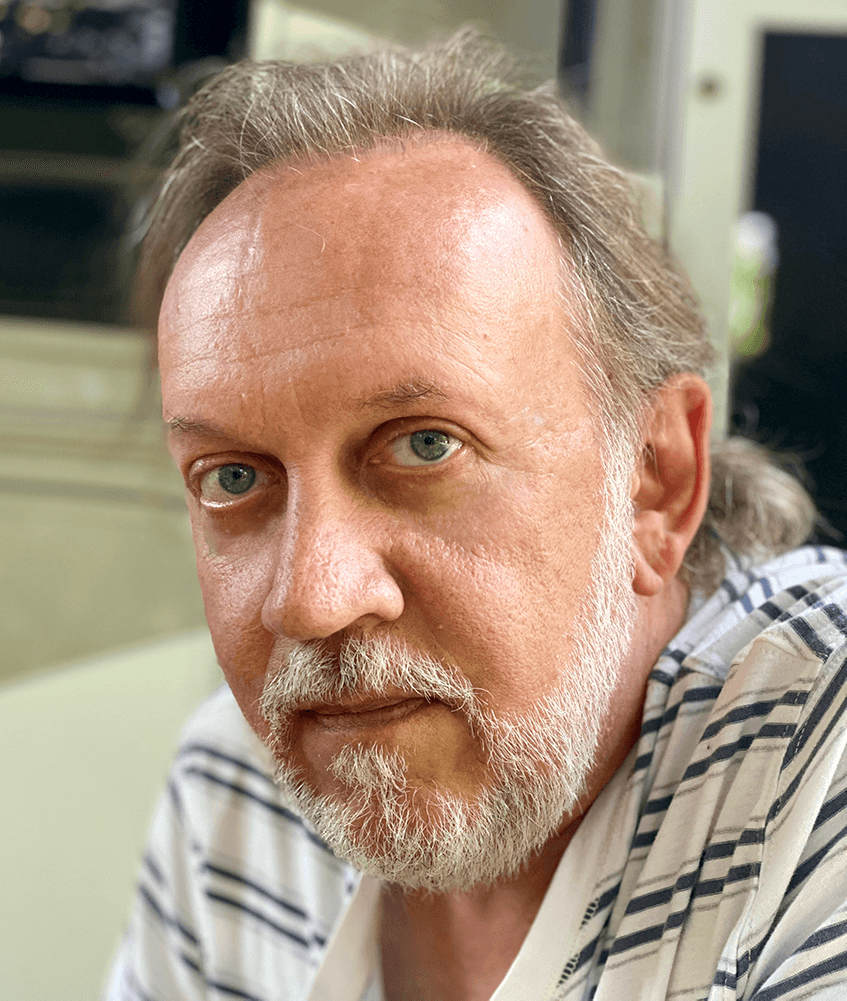
Today we’d like to introduce you to Andrew Smith.
Andrew, we appreciate you taking the time to share your story with us today. Where does your story begin?
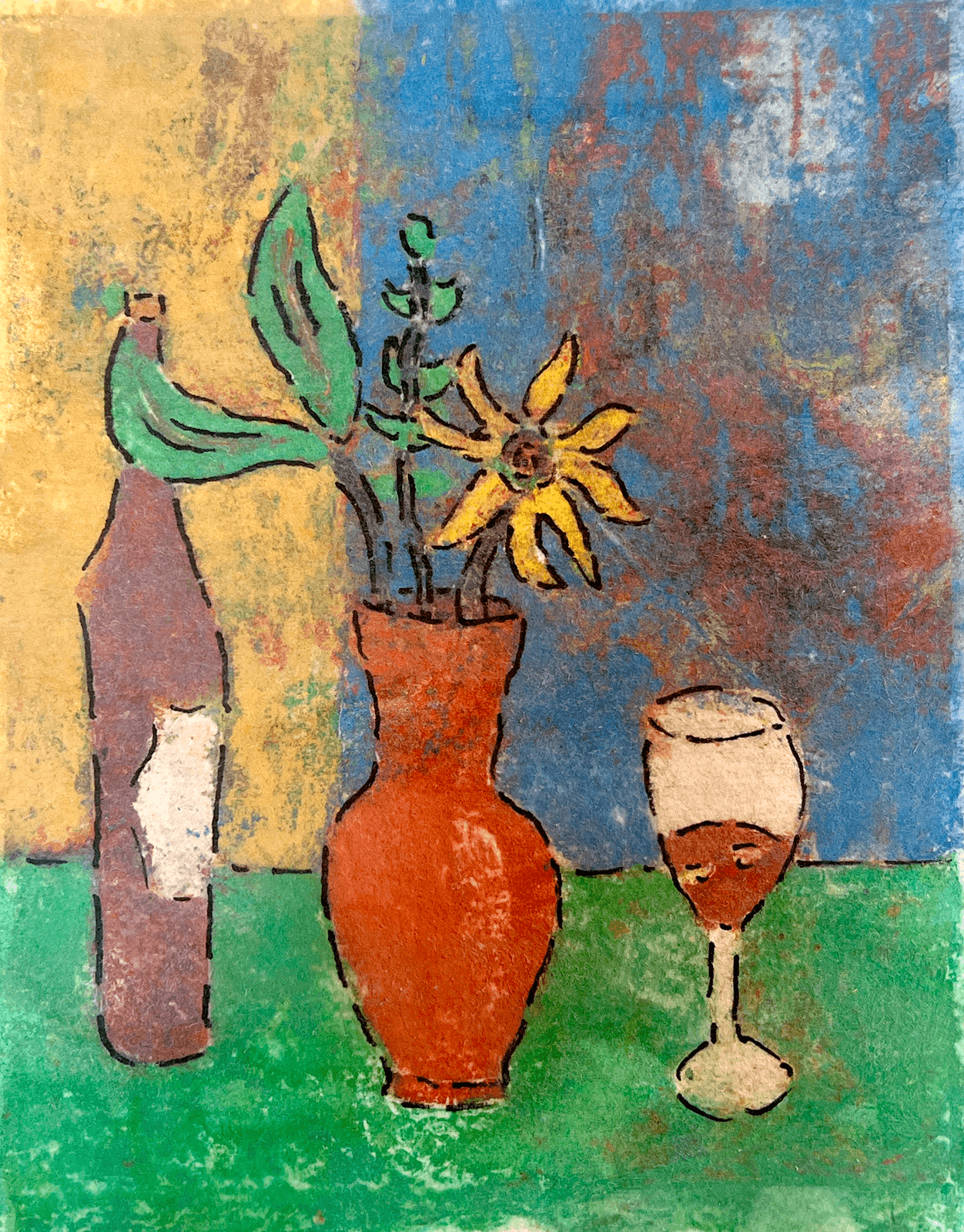
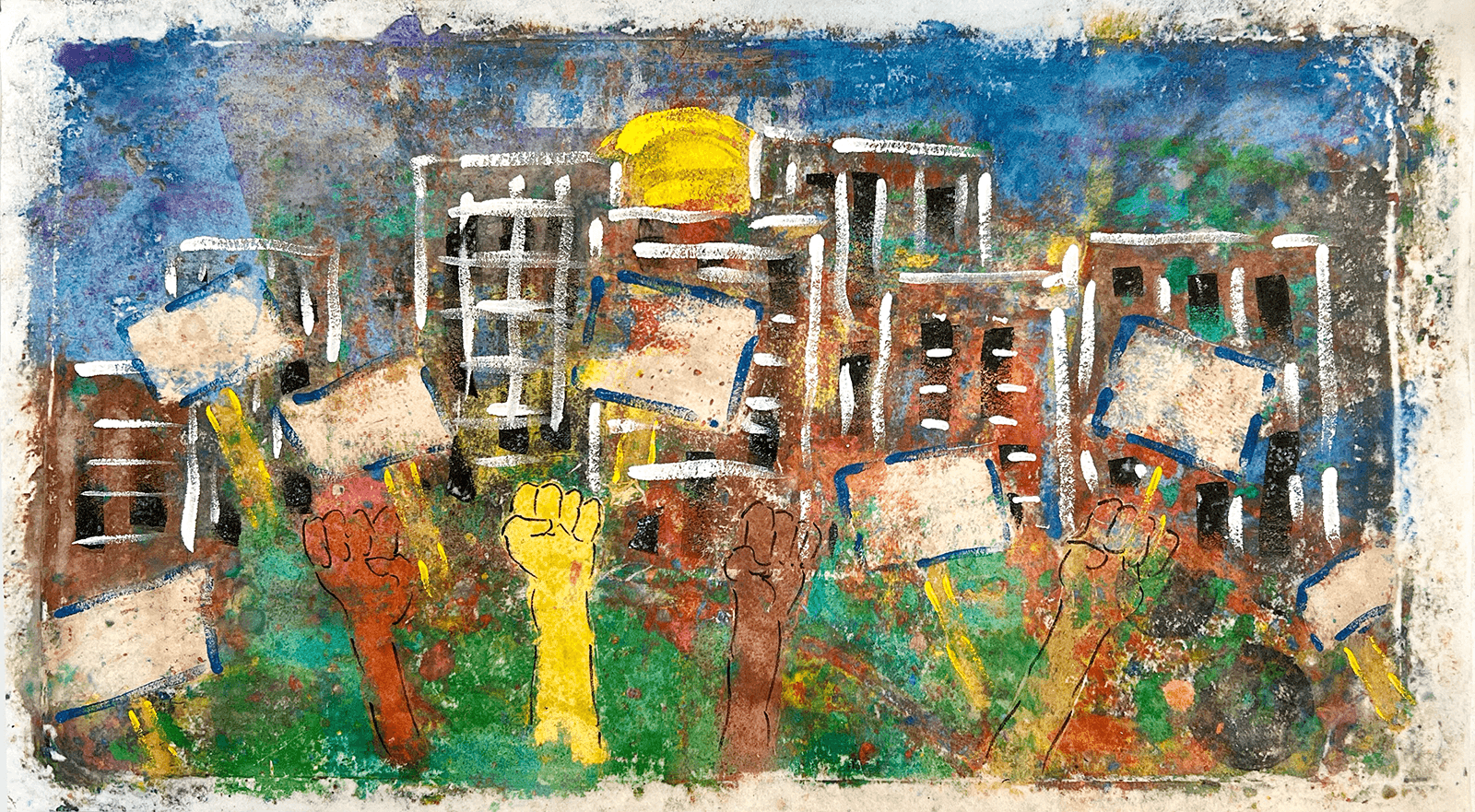
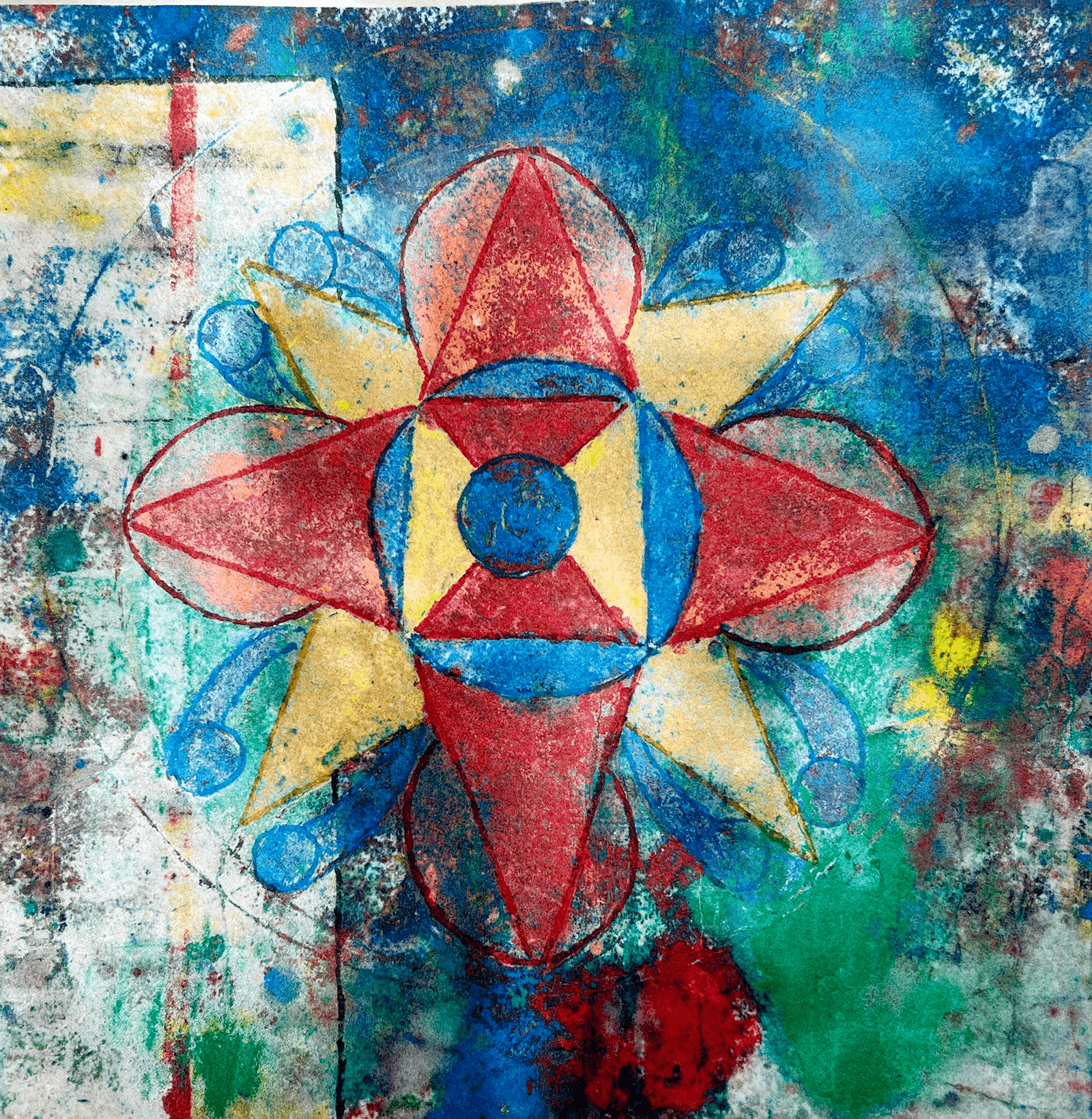
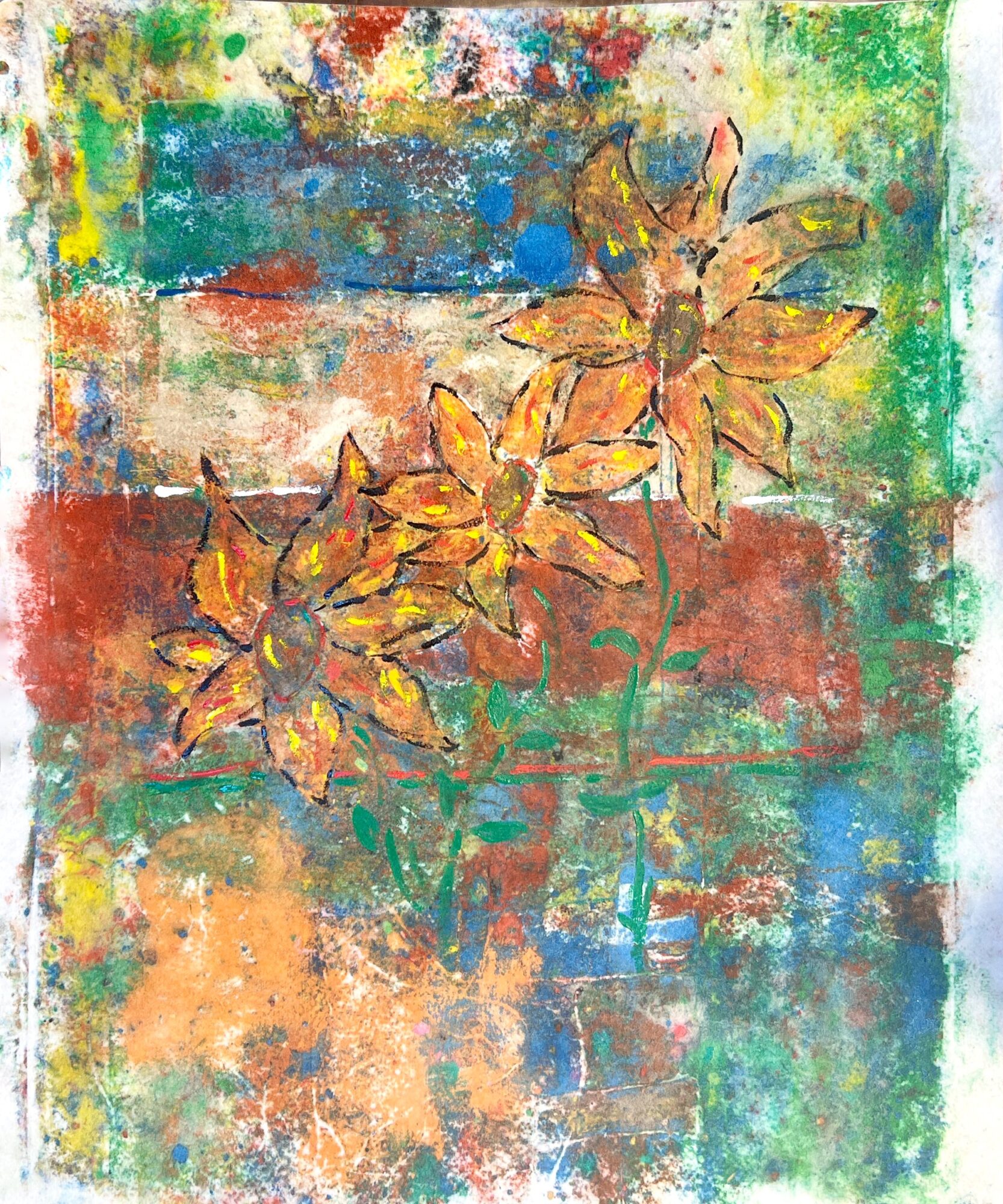
I came to visual art somewhat indirectly. I spent 32 years as a public school music teacher, so creativity was always central to my life, but for most of that time, music was the primary form. As I moved closer to retirement, I began exploring visual art more seriously and eventually discovered clay monoprinting, a relatively uncommon printmaking process developed by the late artist Mitch Lyons. I had the opportunity to learn the process from Mitch, and it became the center of my studio practice.
As I approached my teaching retirement, I established Visual Realia and began showing my work more regularly while becoming increasingly involved in the arts community in south-central Pennsylvania. Over time, that involvement expanded beyond my own studio practice. I curate exhibitions at the Gallery at the Old Post Office in Hanover, created the creative [noun] live interview series, publish Culture On The Line, and have been involved with several arts and nonprofit organizations.
While they may seem separate, I increasingly see them as connected. I am still first and foremost interested in making artwork, but I am also interested in what happens around art—how artists meet one another, how audiences encounter creative work, and how communities become stronger when creative people have places and opportunities to connect. Right now, I think of my work as a combination of artist, curator, and cultural connector, with clay monoprinting at the center.
Would you say it’s been a smooth road, and if not what are some of the biggest challenges you’ve faced along the way?
One challenge was transitioning from being known primarily as a music teacher to being taken seriously as a visual artist. I was beginning a new creative identity later in life, in a medium that relatively few people know, so there was no obvious path to follow.
Clay monoprinting itself also presents the challenge of unpredictability, as the material does not always behave as expected. Old elements reappear. Chance, echoes of previous works, and accidents become part of the image.
Balancing my studio practice with the other things I am involved with—curating, community projects, nonprofit work, and helping to create opportunities for others. All of those things matter, but they compete for the same time and attention. Opportunities bring decisions.
Appreciate you sharing that. What else should we know about what you do?
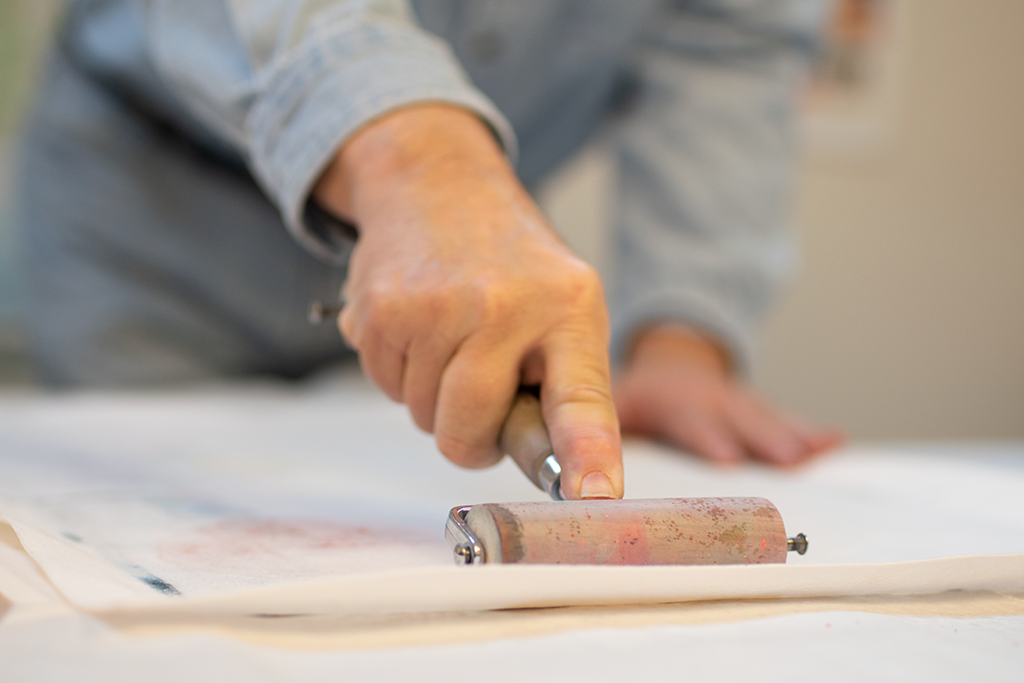
My primary work is as a visual artist working in the clay monoprint medium, a process Mitch Lyons developed. I build images with colored clay slips on a damp clay slab and transfer them onto a nonwoven material. Because each new image is created over remnants of the previous one, parts of earlier works can unexpectedly reappear. I don’t try to eliminate that unpredictability; it has become one of the most important parts of the work.
While I am probably best known for the clay monoprints, my work increasingly includes curating, interviewing, publishing, and creating opportunities for other artists via projects like artist grant support. Through Visual Realia, the Gallery at the Old Post Office, creative [noun], Culture On The Line, and nonprofit work, I have become as interested in strengthening the creative systems around me as I am in making individual artworks.
These different parts of my life reinforce one another. I am comfortable working on both sides of that equation: making the work and helping to create the conditions and connections that make creative work visible, discussed, and supported.
Who else deserves credit in your story?
Mitch Lyons deserves the initial nod. He developed the clay monoprint process and generously taught it to others, including me. Learning directly from him gave me both the technical foundation for the medium and an understanding that experimentation, process, and discovery are central to the work.
Beyond that, I have benefited from a large network of artists, arts organizations, nonprofit colleagues, curators, and community partners throughout south-central Pennsylvania. Many have provided opportunities and often simply the right conversation at the right time. Very little of what artists do happens in isolation.
I also have people in my personal life who have supported the time it takes to build a creative life. I’ve been fortunate to have people around me who take the work seriously.
Contact Info:
- Website: https://connectwithandrewsmith.com
- Instagram: https://www.instagram.com/visualrealia/
- Facebook: https://www.facebook.com/AndrewTylerSmith/
- LinkedIn: https://www.linkedin.com/in/visualrealia/
- Other: https://www.visualrealia.com