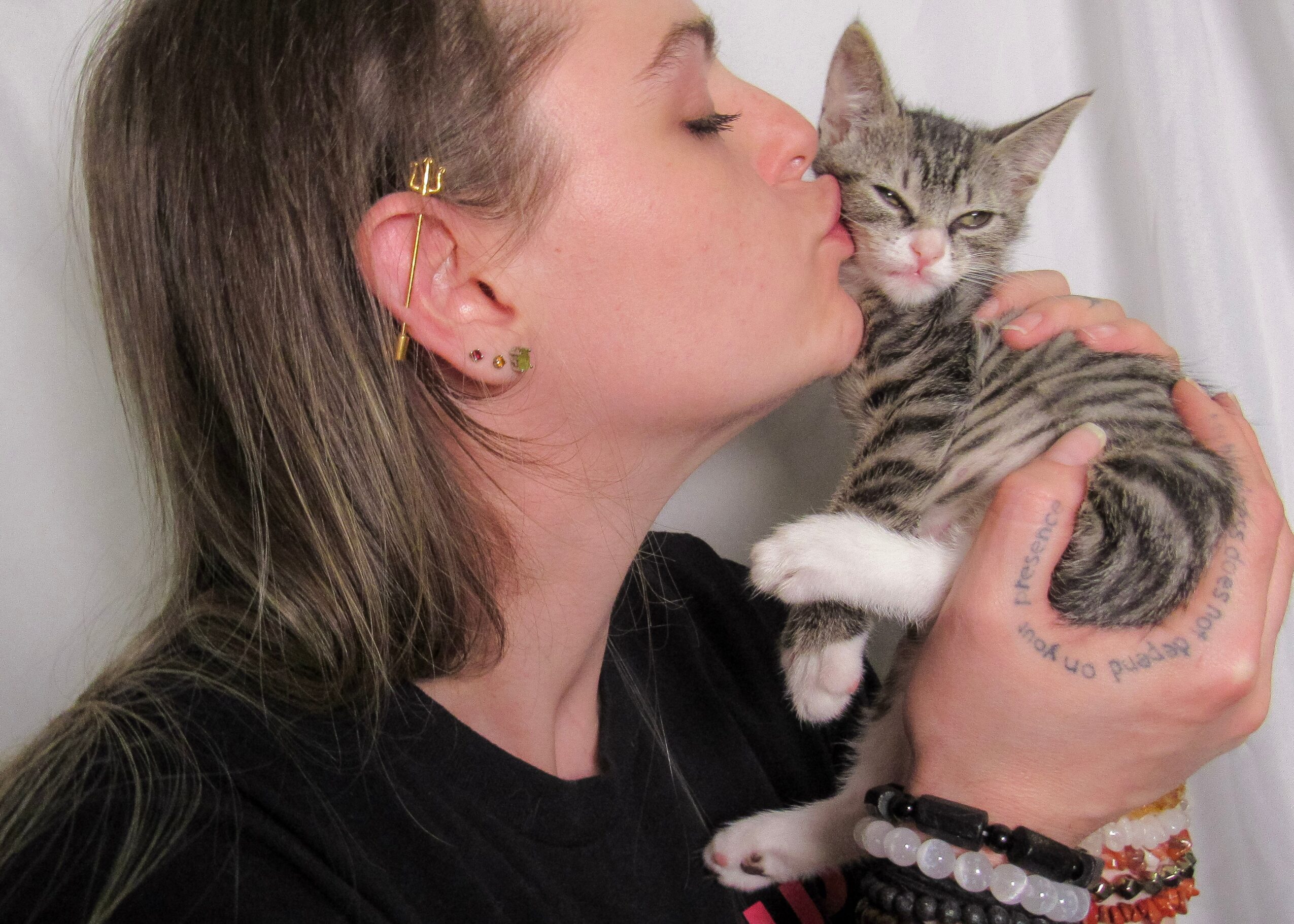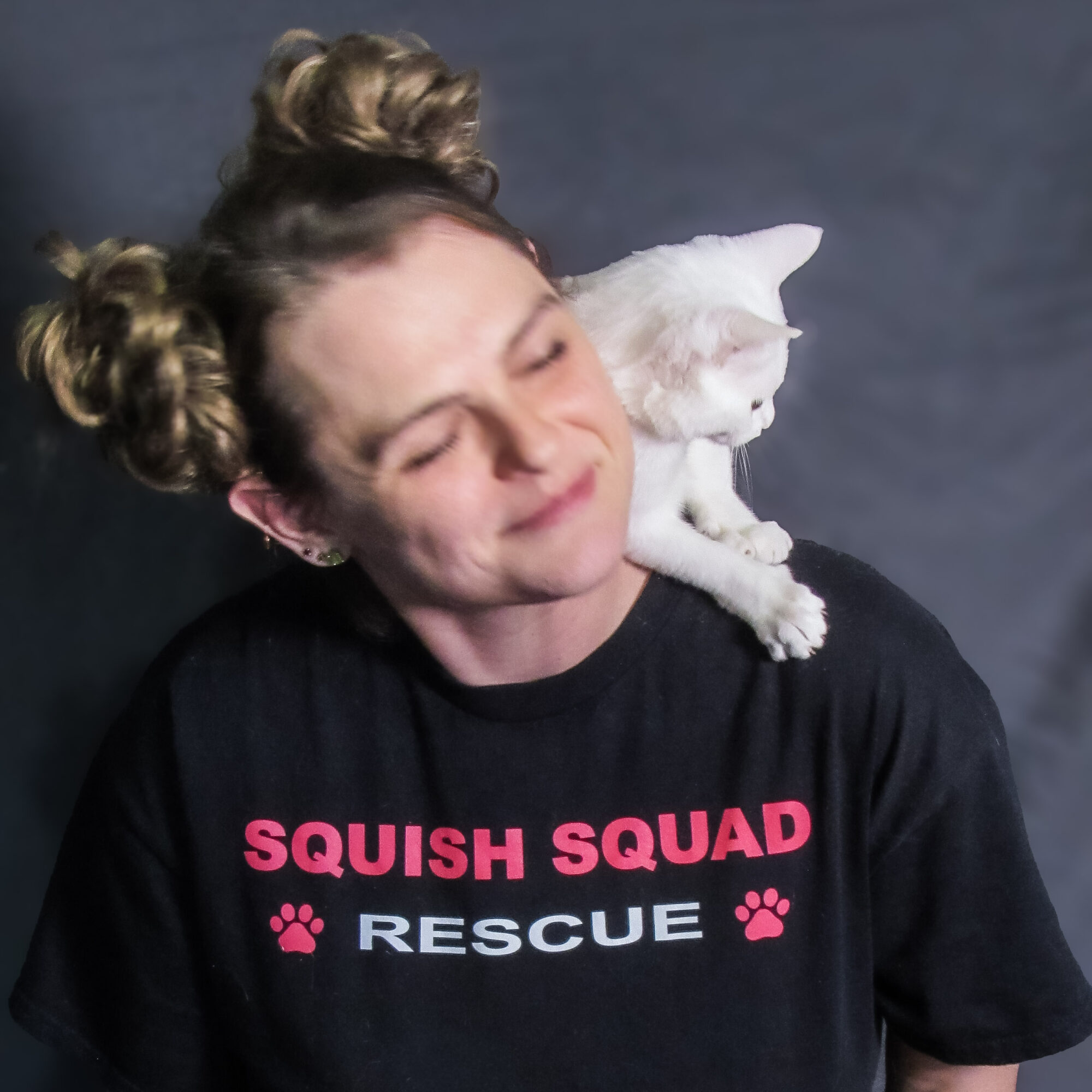




Today we’d like to introduce you to Victoria Collins.
Hi Victoria, we’d love for you to start by introducing yourself.
I have been working with animals for as long as I can remember, but much of my hands-on experience began when I started working with dogs who had aggression and other behavioral challenges. That eventually led me to start my own pet-sitting business. Over the years, I have cared for just about every type of companion animal, including dogs, cats, reptiles, birds, and small mammals. However, I never expected that a trip to the shelter on Christmas Eve would completely change the direction of my life.
My sister was considering adopting a second dog, but her current dog had experienced some aggression issues in the past. She asked me to come along because she knew she might choose based primarily on looks, while I could help her consider temperament, trainability, and whether the dog would realistically be a good fit for her household. Ultimately, she decided that bringing home another dog was not the right choice because of the amount of time and training it would take to safely manage two dogs in her home.
While we were at the shelter, I naturally wandered through all of the cat rooms. I heard about a cat who was not doing well and already had some health concerns, so I asked if I could meet her. Once I saw her, I could not bring myself to leave her there. She came home with me the following day.
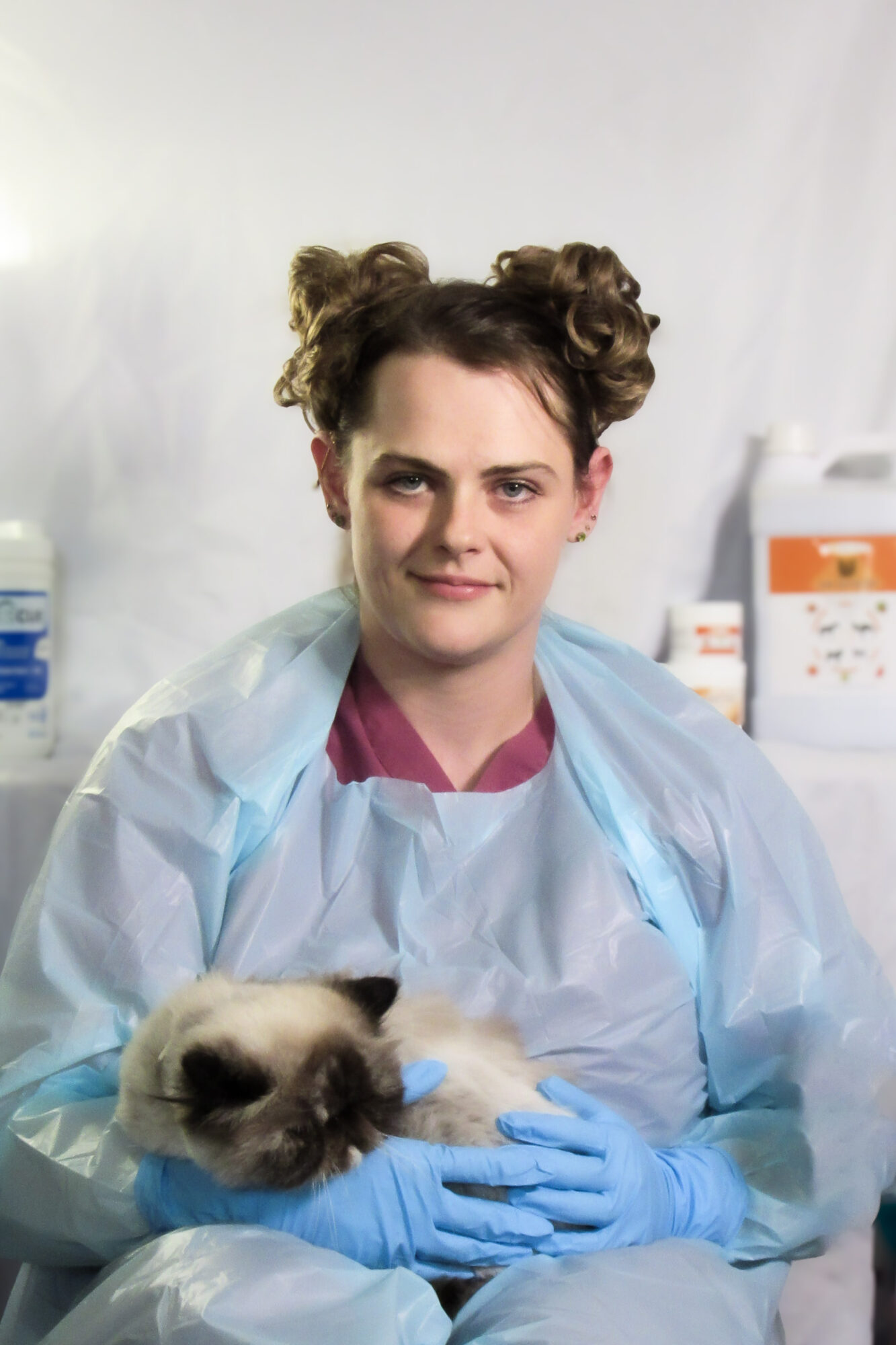
That cat was Everything Nice—although we usually call her Eti Nice—and she became my first “foster fail.” Her medical needs turned out to be far more extensive than I initially knew. She requires close monitoring, continued specialist care, and costly veterinary appointments, but she also introduced me to an entirely different side of animal rescue. She is a flat-faced Himalayan Persian, and caring for her helped inspire Squish Squad Rescue’s secondary focus on brachycephalic cats, whose unique medical needs are often misunderstood.
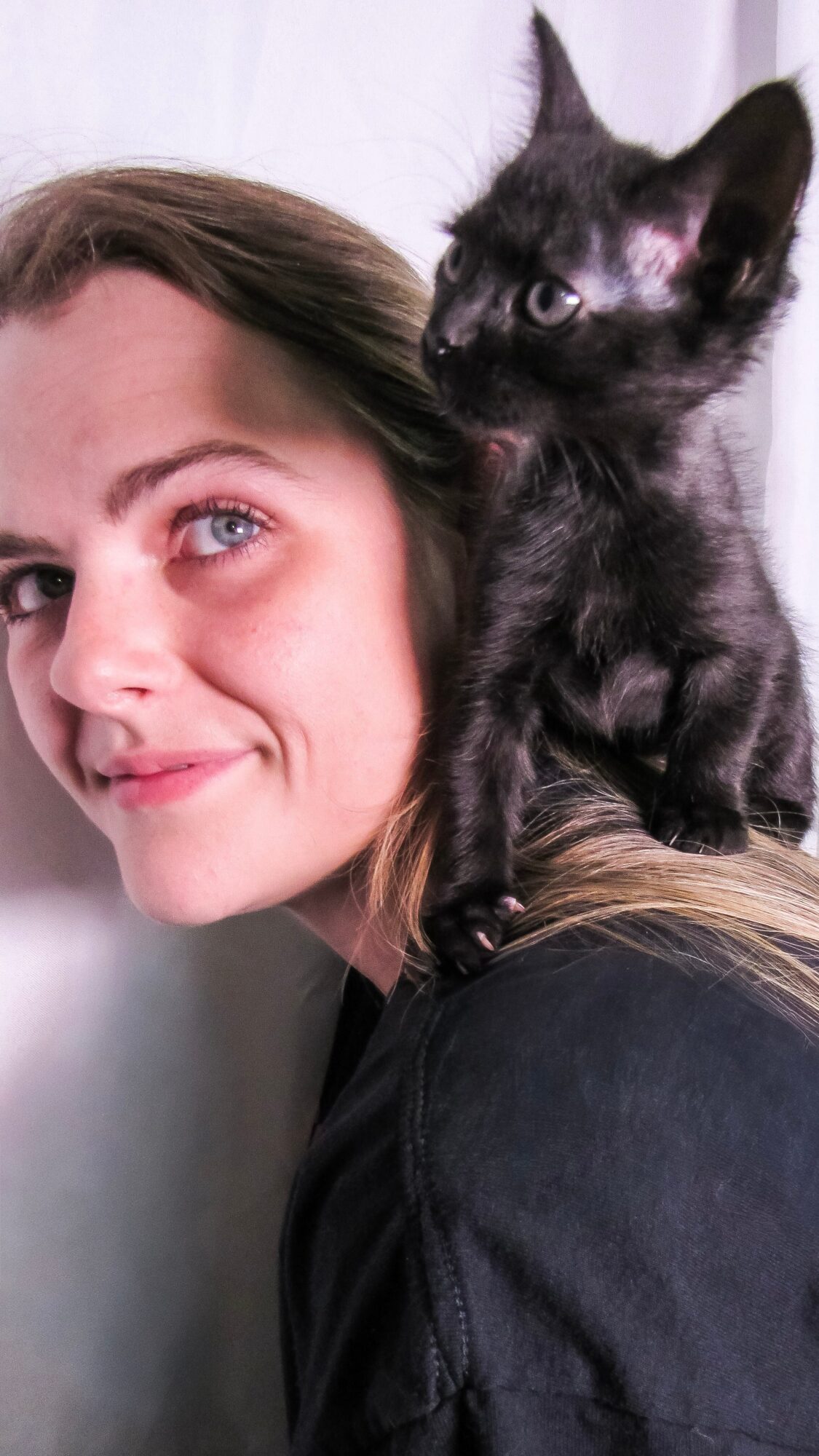
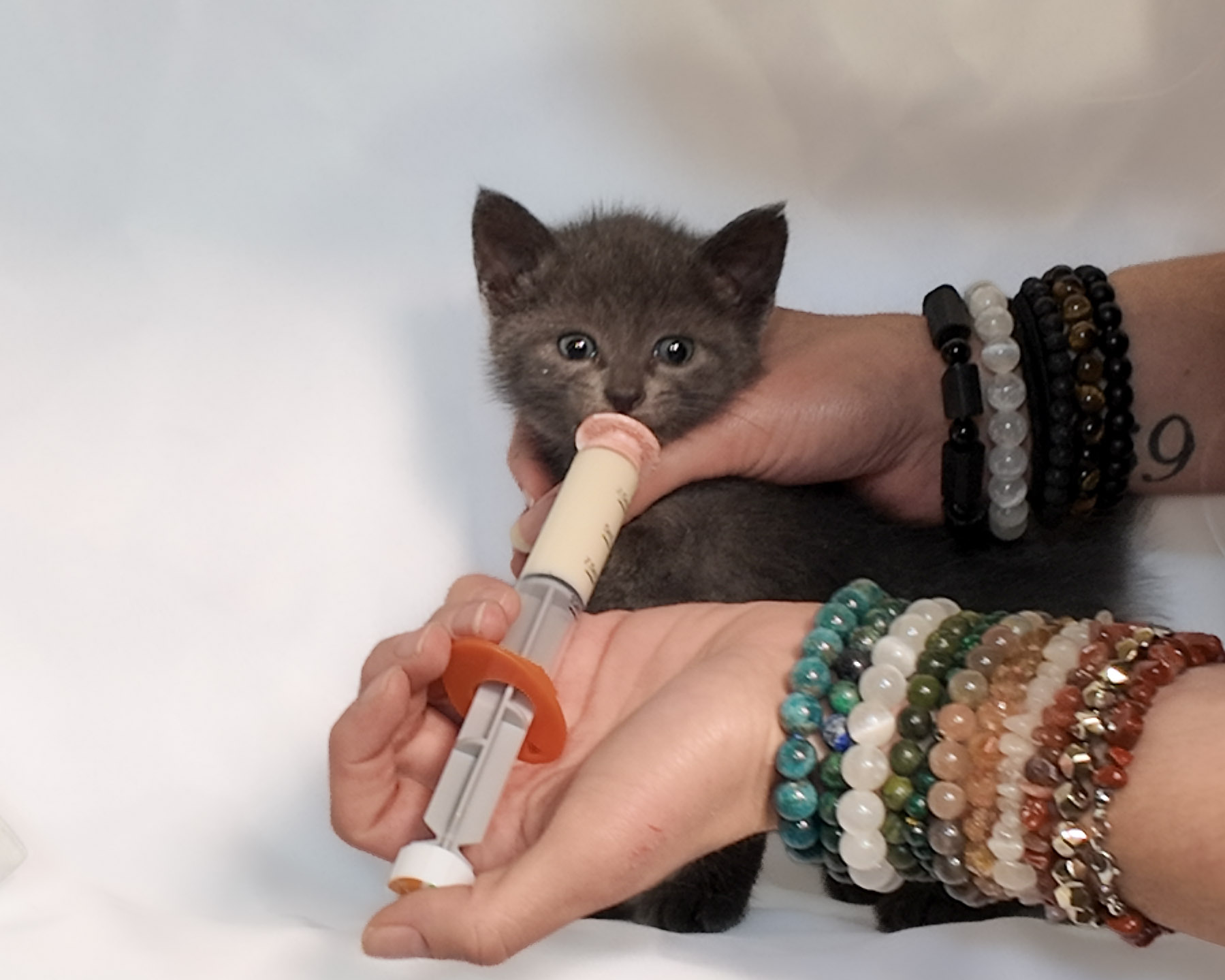
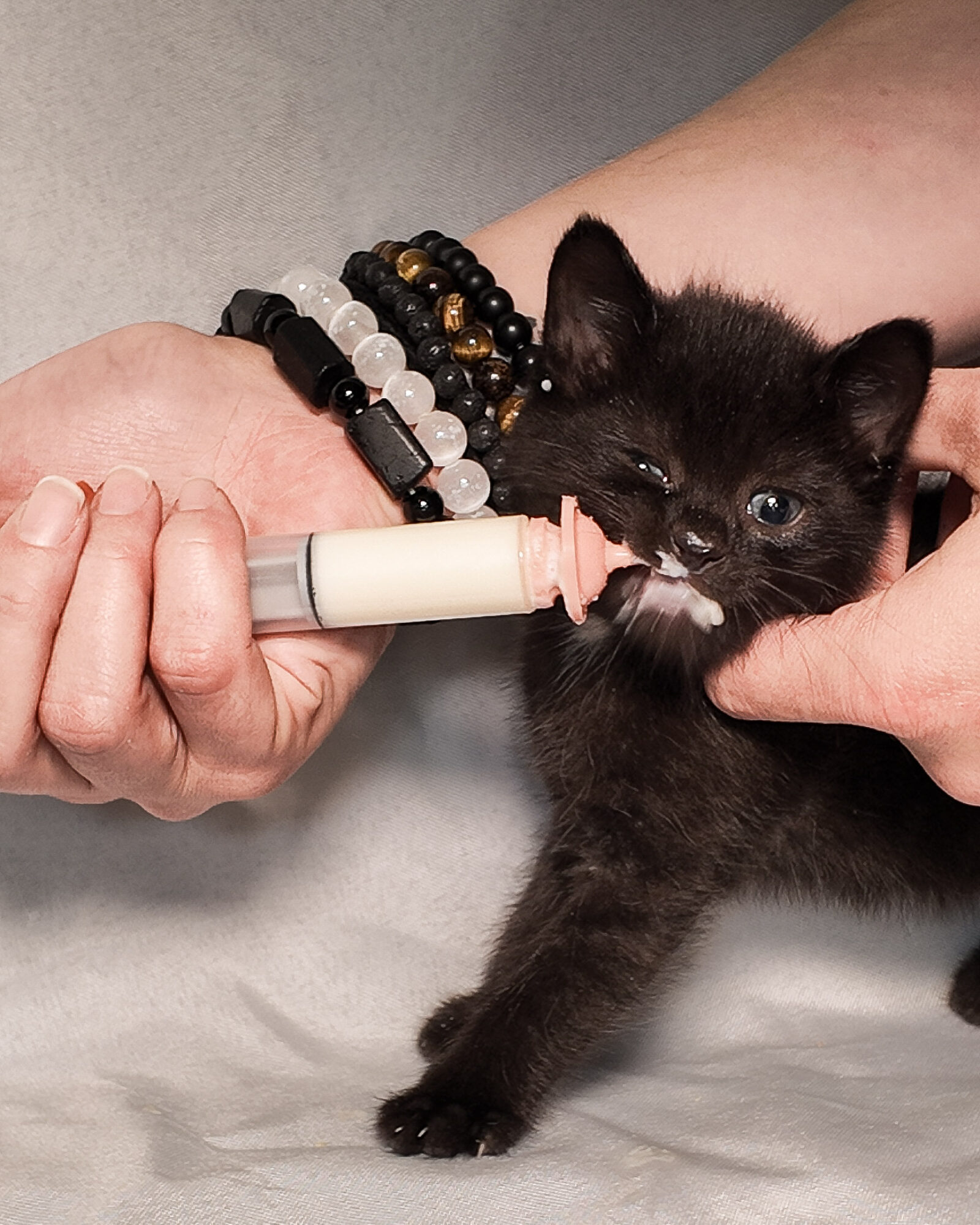
After bringing Eti Nice home, I began fostering through ACCT Philly due to the extreme need for help. Things grew much faster than I ever could have imagined, and I quickly found myself especially drawn to neonatal kittens—the tiny, orphaned babies who require bottle or syringe feedings, help going to the bathroom, careful weight and hydration monitoring, and around-the-clock care just to survive.
Caring for neonates taught me very quickly that rescue involves much more than loving animals. These kittens can start to decline in just a few hours, which means every feeding, every gram gained or lost, and every small behavioral change matters. I learned how to track their weights, feeding amounts, hydration, medications, and development. I have also experienced some incredibly painful losses, but each experience has pushed me to learn more, improve the way I provide care, and continue fighting for kittens who might not otherwise have a chance.
Eventually, I realized that I wanted to build something focused specifically on the animals I had become most passionate about helping – the less recognized populations in rescue. That led me to officially form Squish Squad Rescue, a volunteer-run, foster-based nonprofit dedicated primarily to neonatal, orphaned, and medically vulnerable kittens, with a secondary focus on brachycephalic cats like Eti Nice.
Although Squish Squad Rescue is still very new, the work behind it began long before the paperwork. I have cared for preemie kittens through adoption, handled medical emergencies, assisted with community cats and TNR, and continued learning from every animal who has entered my home. At the same time, I have been building the organization itself—from forming the nonprofit to developing our policies, care standards, website, board, and plans for obtaining federal 501(c)(3) recognition.
What began as a Christmas Eve trip to help my sister choose a dog ultimately led me to the cat who started everything. Since then, opening my home to one animal in need has grown into a much larger mission. Squish Squad Rescue may still be at the beginning of its story, but it has already become more than I ever imagined, and I am incredibly proud to see all of the pieces finally beginning to come together.
Would you say it’s been a smooth road, and if not what are some of the biggest challenges you’ve faced along the way?
It has definitely not been a smooth road. Rescue work can be incredibly rewarding, but it can also be emotionally, physically, and financially exhausting—especially when caring for neonatal and medically fragile animals.
One of the hardest parts has been learning that doing everything you possibly can does not guarantee a happy outcome. Neonatal kittens are extremely vulnerable and can decline very quickly. I have experienced losses that were absolutely devastating, including kittens I had cared for around the clock and fought incredibly hard to save. Those losses stay with you, and it can be difficult not to question whether you could have noticed something sooner or done something differently. Over time, I have had to learn that sometimes the condition of an animal is simply beyond what love, effort, or even veterinary intervention can fix. Rather than allowing those experiences to stop me, I try to learn something from every case and use that knowledge to improve the care I provide to the next animal.
Balancing rescue with the rest of my life has also been a major adjustment. I work a full-time job while managing feedings, medications, veterinary appointments, cleaning, recordkeeping, supply runs, adoption responsibilities, and emergencies. Neonatal kittens do not understand work schedules or sleeping hours, so their care often means reorganizing my entire day around what they need.
The financial side has been another significant challenge. Formula, food, litter, vaccines, testing, medications, emergency care, and specialist appointments add up very quickly. Because Squish Squad Rescue is still new, much of the early cost has come directly out of my own pocket while I work toward building community support and completing the process of obtaining federal 501(c)(3) recognition. One unexpected medical emergency can change an entire month’s budget.
There are also challenges that people outside of rescue may never see. Illnesses can spread through a foster home, requiring quarantine, protective equipment, extensive cleaning, and sometimes weeks of treatment. Every new intake requires careful consideration because wanting to help every animal does not mean having the space, time, or resources to safely do so. Learning to say no when I am at capacity has been one of the most difficult but necessary lessons.
Building the organization itself has presented a completely different learning curve. I have had to learn about nonprofit formation, bylaws, board development, policies, fundraising, veterinary partnerships, and the 501(c)(3) application process—all while continuing the daily, hands-on work of caring for the animals. There was no simple instruction manual telling me exactly how to put every piece together.
Despite all of those struggles, each challenge has helped shape what I want Squish Squad Rescue to become. The difficult cases have reinforced the importance of careful monitoring and documentation. The financial challenges have pushed me to seek partnerships and build community support. The illnesses have strengthened our quarantine and sanitation standards. Even the losses have deepened my commitment to giving the most vulnerable animals every possible chance.
The road has not been easy, and I do not expect it ever to be completely smooth. However, every life saved, every kitten who grows strong enough to be adopted, and every update from a happy family reminds me why the difficult parts are worth it.
Alright, so let’s switch gears a bit and talk business. What should we know about your work?
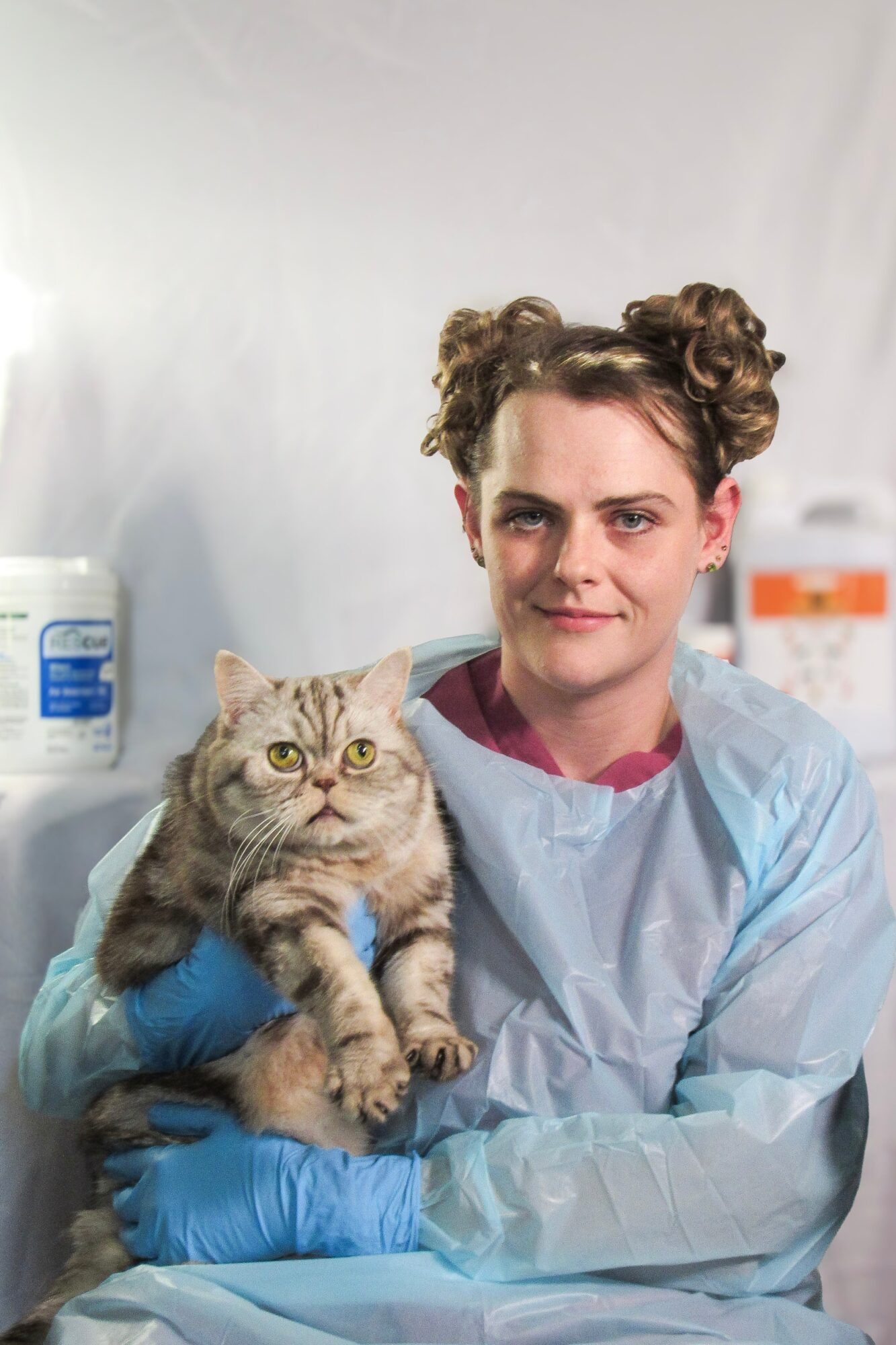
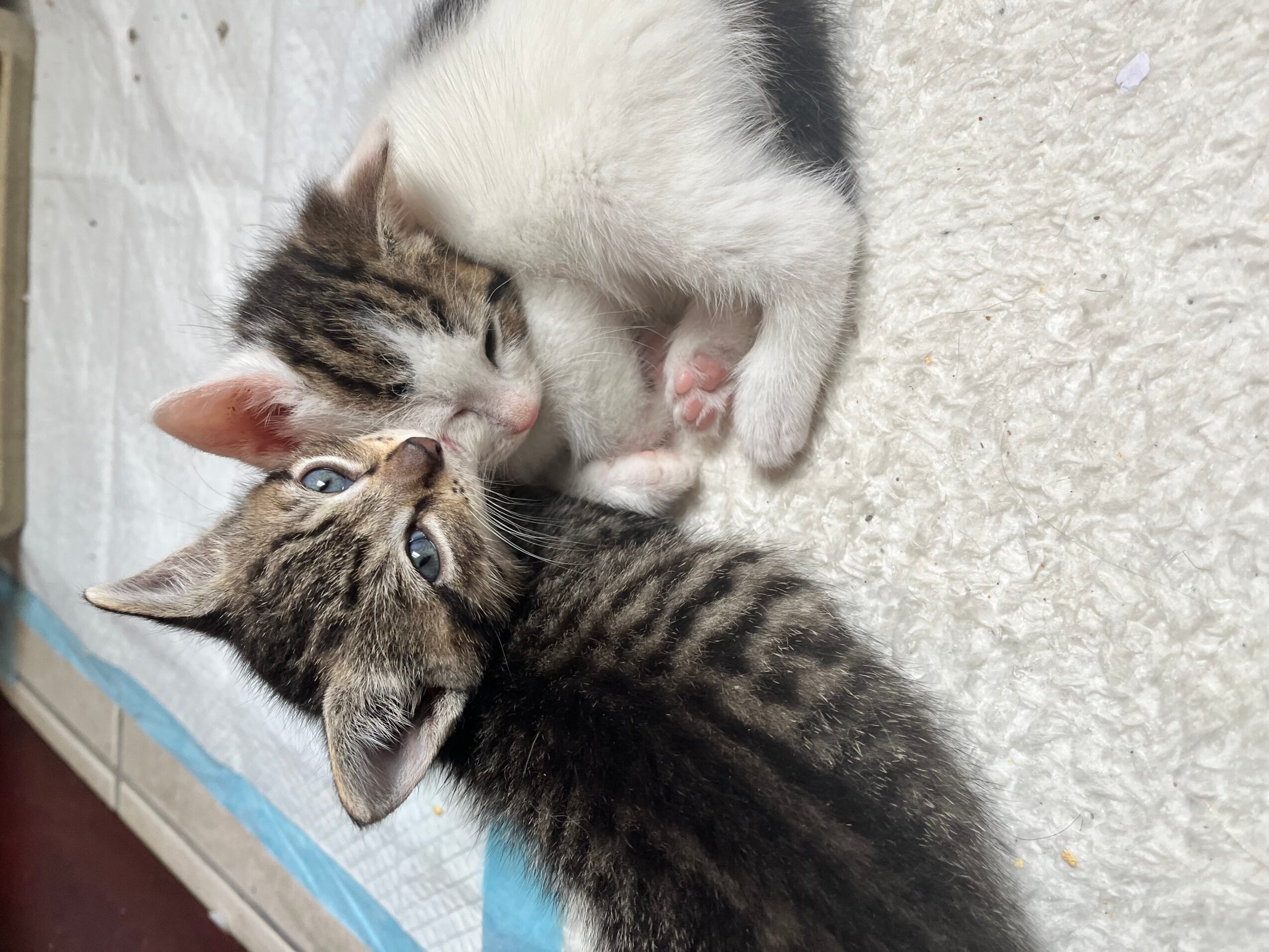
Squish Squad Rescue is a small, volunteer-run, foster-based nonprofit with two primary areas of focus: neonatal and orphaned kittens, and brachycephalic cats and kittens. We care for babies from birth through adoption, including bottle-fed and syringe-fed kittens who require around-the-clock care. We also provide specialized care for flat-faced breeds and mixes, including Persians, Himalayans, Exotic Shorthairs, British Shorthairs, and others whose unique needs are not always fully understood.
Our neonatal work involves much more than feeding kittens. We monitor their weight, hydration, body temperature, digestion, development, medications, and behavior. Neonates cannot regulate their own body temperature or go to the bathroom without assistance, and even a small change can signal a serious problem. As they grow, we guide them through weaning, socialization, vaccinations, veterinary care, spay or neuter surgery, and eventually adoption into the right home.
We also consider nursing queens when their kittens are young enough to fall within our area of care and we have the capacity to accept the entire family. Whenever possible, keeping young kittens with their mother is best for their nutrition, development, socialization, and overall health. We have cared for mothers and babies together before, and it is absolutely something we would do again.
Pregnant queens are also evaluated individually, and in some cases, we would consider a spay/abort in consultation with a veterinarian. I understand that this is an emotional and sometimes controversial subject, and it is never a decision that would be made casually. However, the cat overpopulation crisis is severe, shelters and rescues are already overwhelmed, and countless existing cats and kittens are still waiting for care and homes. I believe responsible rescue sometimes requires making an incredibly difficult decision based on what is best for the individual cat and the larger cat community. Spaying a pregnant cat also ends the physical demands and risks of pregnancy while ensuring that she will never have to endure another litter.
Our work with brachycephalic cats is equally important to our mission. Depending on the individual cat, their physical features may contribute to respiratory concerns, chronic eye discharge or irritation, dental crowding, skin-fold infections, difficulty grooming, or other breed-related medical conditions. Not every brachycephalic cat will experience all of these issues, but their care can require closer monitoring, knowledgeable veterinary support, and adopters who understand what may be involved.
This focus is deeply personal to me as I have two brachycephalic foster fails. Caring for them showed me how easily these cats can be misunderstood and how quickly the cost and complexity of their care can become overwhelming. Some are surrendered when their families were not prepared for those needs, while others may be overlooked because potential adopters are intimidated by the care they could require.
At Squish Squad Rescue, we want to look beyond their appearance and evaluate the whole cat. That means addressing their immediate medical and grooming needs, learning their individual routines, and being honest with potential adopters about the care they may require throughout their lives. Our goal is not simply to place them in homes, but to prepare those homes with the knowledge and realistic expectations needed to keep them there permanently.
We also support community cats through feeding and TNR when intact cats appear in the colony I help care for. While community cat work is not our primary focus, I believe rescue also means helping prevent future litters and connecting people with resources whenever possible. Sometimes education and access to knowledge matter the most.
Because Squish Squad Rescue is still new, I would not say that we are widely known yet. However, I hope we are beginning to build a reputation for taking the details seriously. One of the things that sets us apart is our emphasis on documentation, observation, and individualized care. We track weights, feeding amounts, hydration, medications, symptoms, and behavioral changes because animals cannot tell us when something feels wrong. With neonatal kittens in particular, those records can reveal a pattern before a crisis becomes obvious.
I also want Squish Squad Rescue to remain intentionally personal. Success is not simply taking in the greatest possible number of animals. It means knowing the animals in our care, understanding their individual needs and personalities, and making responsible decisions about our capacity. We want each animal to receive the time, attention, and medical care they need rather than becoming another number.
As the rescue grows, I also want foster families to feel genuinely supported. Fosters are the people observing these animals every day, so their concerns and instincts should be taken seriously. My goal is to provide training, supplies, clear care instructions, help with transportation and veterinary appointments, and emotional support through both the wonderful and heartbreaking parts of fostering.
What I am most proud of is how much has already been accomplished in such a short period of time. One kitten who especially represents why Squish Squad Rescue exists is Betty White, originally known as Bubbles. She arrived as a singleton and was later discovered to be deaf, have a rib deviation, and have a congenital kidney defect. Her needs require continued monitoring and specialized care, but none of those differences have stopped her from growing into a playful, loving cat with a personality much bigger than she is. Betty White is a reminder that an animal does not have to be medically perfect to deserve the opportunity to thrive.
I am also proud that we are building the rescue thoughtfully from the beginning. Alongside the hands-on animal care, I have been developing quarantine procedures, sanitation standards, feeding and medical records, intake policies, adoption practices, and foster resources. I do not want Squish Squad Rescue to grow simply for the sake of becoming bigger. I want it to grow responsibly while maintaining high standards of care.
Ultimately, what sets us apart is the combination of patience, love, detailed observation, honest education, and a willingness to fight for animals who may require more time and care than others. Our tagline is “Fighting for Those Who Can’t Fight Alone,” and that is truly the heart of the work we do.
What quality or characteristic do you feel is most important to your success?
I believe the most important characteristic contributing to my success is my willingness to keep learning and adapt. Caring deeply about animals is what motivates me, but love by itself is not enough to provide the level of care they need—especially when working with neonates and medically complex cats.
I am constantly researching, asking questions, consulting with veterinarians and more experienced rescuers, and paying attention to what each animal teaches me. If something is not working, I am willing to reevaluate it and make changes rather than continuing simply because it is how I have always done things. I do not believe anyone in rescue ever reaches a point where they know everything.
That willingness to learn is also why documentation and observation are so important to me. Every feeding log, weight change, medical case, success, and loss gives us information that can improve the care of the next animal. Some of the most difficult experiences I have faced have also taught me the most valuable lessons.
I would also say that persistence plays a major role. Rescue work can be exhausting and heartbreaking, and there are moments when the obstacles feel overwhelming. However, I keep looking for the next solution, the next resource, or the next person who may be able to help. At the same time, I am learning that persistence does not mean believing I can control every outcome. It means continuing to show up, continuing to learn, and using everything I have experienced to do better moving forward.
Contact Info:
- Website: https://squishsquadrescue.org/
- Instagram: https://www.instagram.com/squish_squad_rescue
- Facebook: https://www.facebook.com/people/Squish-Squad-Rescue/61587186551531/
- Other: https://www.tiktok.com/@squish_squad_rescue