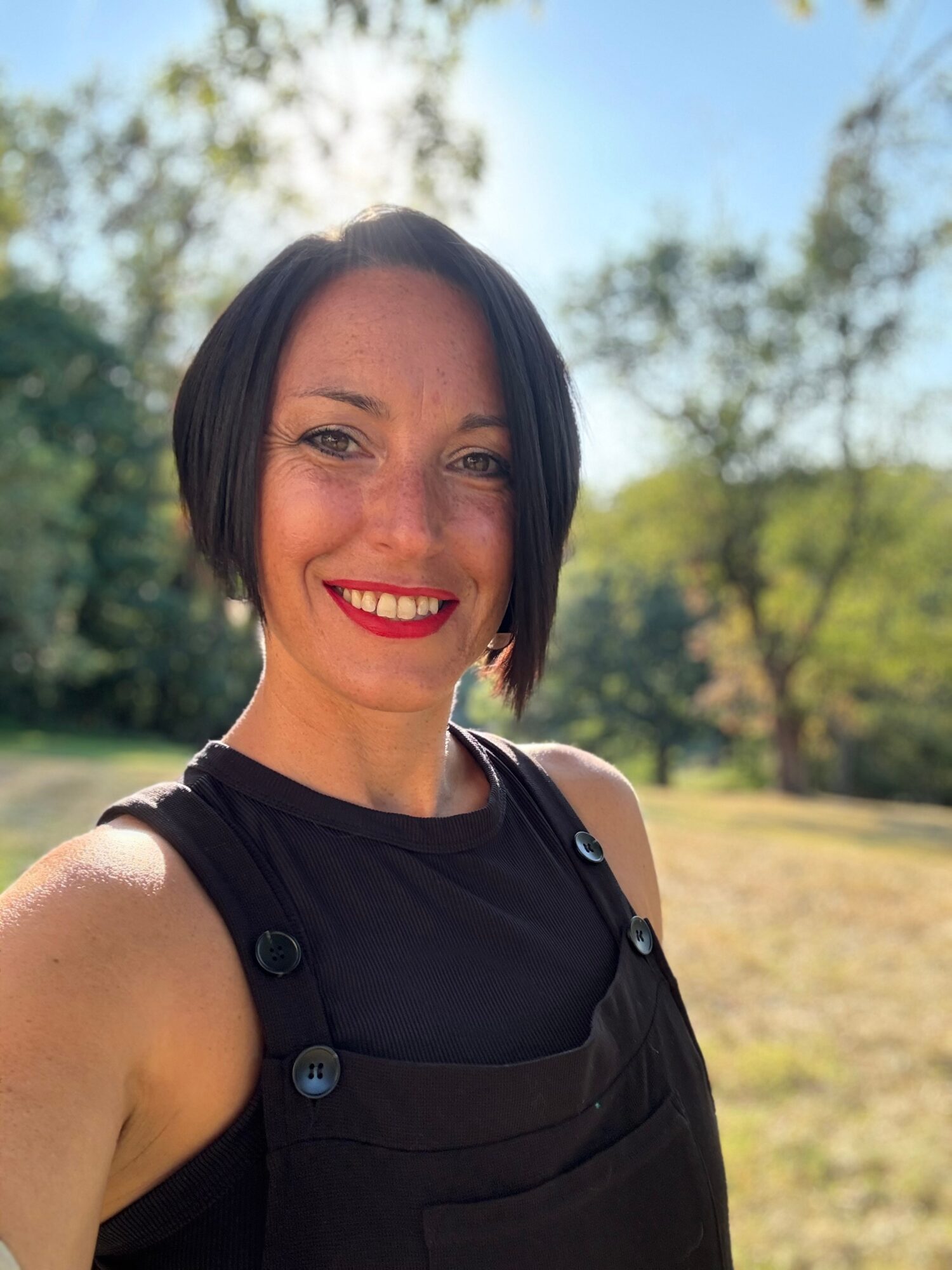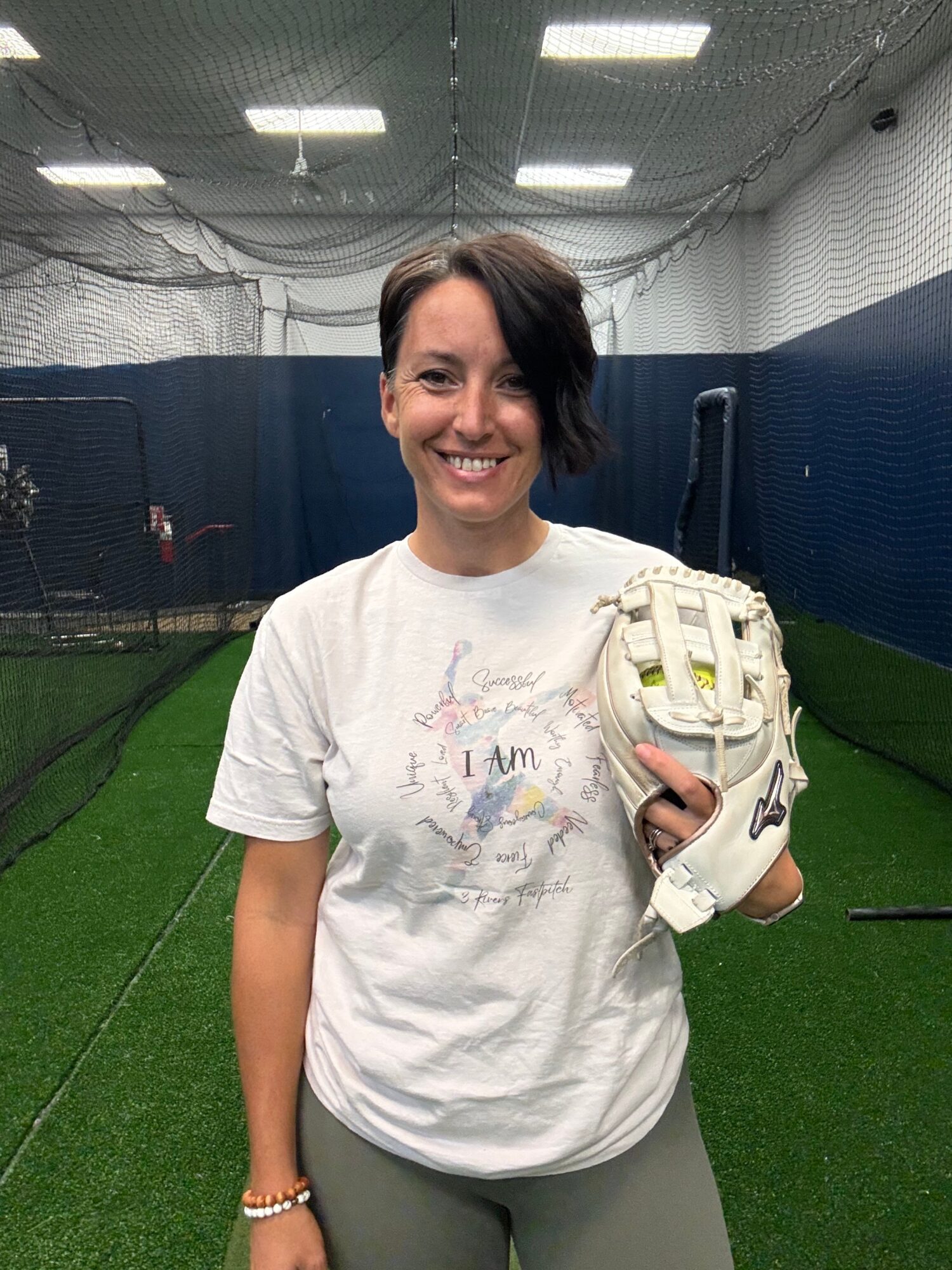



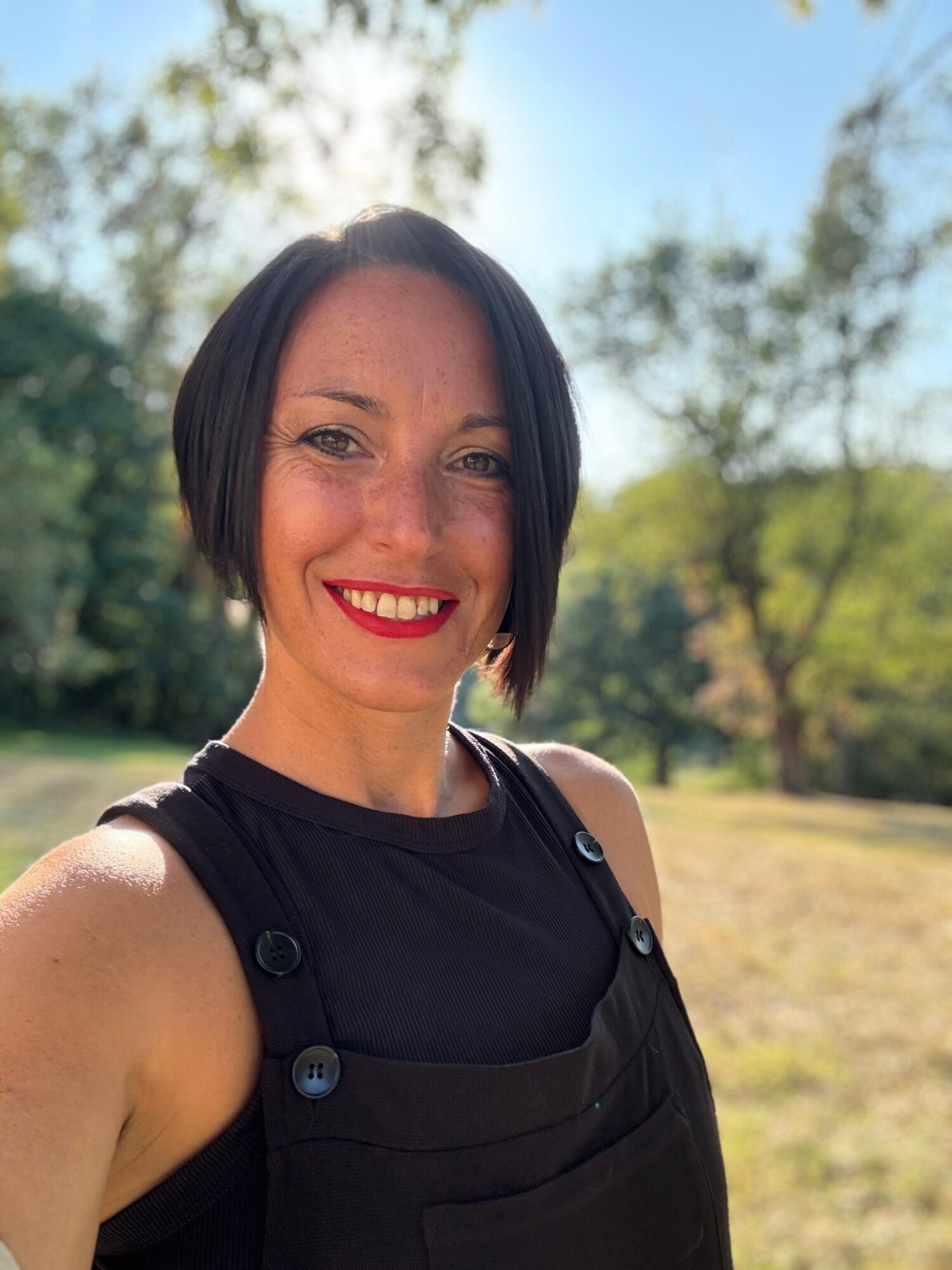
Today we’d like to introduce you to Jennifer Keller.
Hi Jennifer, thanks for joining us today. We’d love for you to start by introducing yourself.
I was lucky enough to grow up with a grandfather who not only coached high school softball, but had also pitched in men’s fastpitch leagues himself. Bob Burgman—better known to everyone as **Coach B**—was an incredible athlete in his own right and ultimately became the reason I would go on to earn a full academic and athletic scholarship to Point Park University.
My Pap taught me so much more than how to pitch. He taught me how to work hard, how to find solutions before complaining, and how to view failure as a roadmap to success. Most importantly, he taught me that I am capable of doing hard things.
Some of my favorite memories are our car rides home after games and tournaments. We would dissect every hitter, every inning, and every situation, always looking for ways I could learn and improve. We talked about pitch selection, game IQ, and how to stay one step ahead of the hitter.
“It’s a game of chess,” he’d always tell me.
As a pitcher, he taught me that I couldn’t simply react to what was happening. I had to think ahead. I had to understand the hitter, recognize patterns, and make adjustments. Looking back now, I realize he wasn’t just teaching me how to pitch—he was teaching me how to approach life.
Our conversations, practice sessions, and hard conditioning are memories I will cherish forever. I lost my Pap in 2010, but the lessons he taught me continue to shape everything I do today.
I grew up playing both recreational and travel softball with the Renegades organization. At the time, much of the area was still playing slow-pitch softball, and my team became the first within the organization to make the transition to fastpitch. For a brief period, I also played with the Westmoreland Gems. My Pap encouraged my cousin and me to step outside of our comfort zone because he believed we needed to be challenged by a new environment and surrounded by different players.
That was another one of his philosophies: **choose adversity over comfort and complacency.**
I eventually returned to the Renegades, where I finished my travel ball career before heading off to college in 2003. I was the first person in my family to attend college, and from 2003 through 2007, I was a starting pitcher for the Point Park University Pioneers—back when Point Park was still Point Park College.
Choosing Point Park was an easy decision for me. It allowed me to continue playing the sport I loved while staying close enough to home that my family could still come watch me play. College was an incredible experience and opened doors I never could have imagined when I first picked up a softball.
Not long after graduating, one of my best friends from high school reached out and asked if I would help her coach the softball team at Penn State Greater Allegheny. What started as an opportunity to coach alongside one of my closest friends turned into six incredible seasons of college coaching. We had an amazing experience together and were honored to win Coach of the Year during the 2013–2014 season.
After six seasons at Penn State Greater Allegheny, I was presented with another unexpected opportunity: becoming the CEO of The Homer Warehouse in West Mifflin, Pennsylvania.
I helped design the facility and was responsible for its day-to-day operations, marketing, and advertising. I had already been giving softball lessons for about a year in a smaller portion of the building, and when the owners asked me what I envisioned the space becoming, we worked together to build something special. The facility became a successful business and is still operating today.
Life had another major pivot waiting for me in 2017.
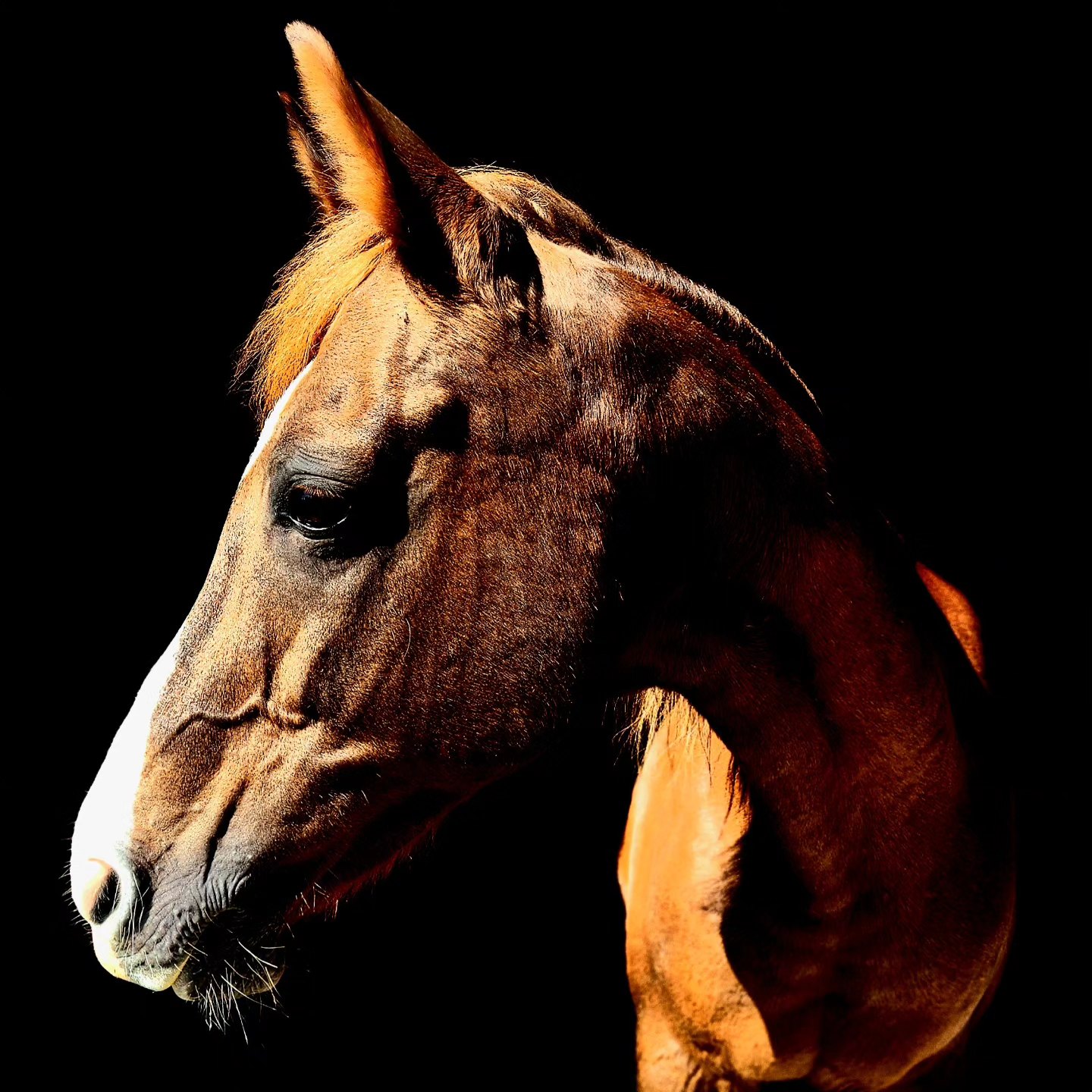
That year, my grandparents, Grandma Lacey and Pap Terry, both passed away, leaving behind a 92-acre horse farm. I made the difficult decision to leave the Warehouse and take over the farm, managing the business and caring for 17 horses every day until it was eventually sold in 2019.
It was one of the most challenging experiences of my life.
I had grown up riding horses, but I had never owned one myself—let alone been responsible for caring for 17 horses and running an entire boarding facility. Looking back, though, it was another example of how being a pitcher had prepared me for difficult moments in life.
I had to pivot quickly. I had to learn an entirely new business that I knew very little about. I had to find solutions to problems quickly, work harder physically than I ever had before, and manage both animals and people at the same time.
It was challenging, exhausting, and sometimes overwhelming—but it reinforced everything my Pap had taught me. When something gets difficult, you don’t give up. You figure it out.
After the farm was sold in 2019, I moved to a different barn with the horses my Pap Terry had owned. Then, on a sunny day in July, my life changed in an instant.
I was involved in a terrifying horseback riding accident when I was clipped from my horse by a tree and broke my right leg in half—literally.
I was LifeFlighted to Allegheny General Hospital, where I underwent emergency surgery. A titanium rod was inserted through my femur to hold my leg together.
The trauma from that accident is something I still deal with years later, but the experience fundamentally changed how I viewed life.
When you’ve truly believed that you might die, it changes your perspective.
It makes you think differently about time, opportunities, fear, and the things you are willing to put off.
Once my body was physically able, I made the decision to pursue what had always been my greatest passion: teaching softball.
I wanted to train young girls full time—not just to become better athletes, but to help them become the best versions of themselves.
I created **3 Rivers Fastpitch**, and I never looked back.
Since then, I have had the privilege of training thousands of young athletes. Many have gone on to play in college, and I have watched so many develop into incredible softball players.
But their success on the field has never been the most important part of what I do.
The moments that mean the most to me are watching a young athlete begin to believe in herself. It’s watching her overcome something she once thought she couldn’t. It’s watching her learn how to handle failure, work toward a goal, push through adversity, and eventually realize that she is capable of doing hard things.
Those are the lessons that last long after softball is over.
Everything I teach through 3 Rivers Fastpitch has roots in the lessons I learned from my Pap. The game may have started as a way for us to spend time together, but it ultimately gave me a blueprint for how to live my life.
Softball taught me how to think ahead, adapt, problem-solve, work hard, and keep going when things didn’t go according to plan.
And maybe that’s why one of my Pap’s favorite sayings still resonates with me today.
**”It’s a game of chess.”**
You have to think ahead. You have to make adjustments. You have to learn from every move.
And sometimes, when life throws you a pitch you never saw coming, you simply have to figure out what to do with the next one.
Today, we are beginning an exciting new chapter with our move into **The Academy**, and I couldn’t be more excited about what the future holds—not just for me or for 3 Rivers Fastpitch, but for every young athlete who walks through our doors.
Because at the end of the day, my goal has never simply been to create better softball players.
It’s to help create confident, resilient young women who know how to face challenges, trust themselves, and believe that they can do hard things.
And for me, that will always be the greatest win.
Alright, so let’s dig a little deeper into the story – has it been an easy path overall and if not, what were the challenges you’ve had to overcome?
Absolutely not. If there is one thing my life and career have taught me, it’s that the road rarely goes exactly the way you planned it.
I’ve had to pivot more times than I ever expected. I’ve left careers and opportunities I loved to take care of family responsibilities. After my grandparents passed away, I walked away from a successful position at The Homer Warehouse to take over a 92-acre horse farm and care for 17 horses—something I had never done before at that level.
Then, just when I was beginning another chapter of my life, I was involved in a devastating horseback riding accident in 2019 that literally broke my leg in half. I was LifeFlighted to the hospital and underwent emergency surgery to have a titanium rod placed through my femur. Recovery was long, difficult, and something I still deal with years later.
There were times when I had to rebuild physically, emotionally, and professionally. As someone who had always been active and independent, suddenly having my body unable to do the things I had always taken for granted was incredibly difficult. I had to learn patience, adapt to limitations, and find a new appreciation for the small victories.
Building 3 Rivers Fastpitch also hasn’t come without challenges. Becoming an entrepreneur means constantly figuring things out as you go. There have been financial challenges, difficult decisions, long days, uncertainty, and plenty of moments when I questioned whether I was making the right choices. There is no handbook that tells you exactly how to build a business, train hundreds of athletes, market yourself, manage schedules, and still have a personal life.
But honestly, I think every struggle along the way has reinforced the lessons my Pap taught me when I was young.
Don’t complain before you’ve looked for a solution.
Don’t let failure define you—learn from it.
Choose adversity over comfort.
And remember that you’re capable of doing hard things.
I don’t think I would be where I am today if everything had gone smoothly. The difficult moments forced me to adapt, to learn, and to become more resilient. They also gave me a much deeper understanding of what I want to teach the girls who train with me.
Softball is going to end someday for every athlete. What I hope stays with them are the lessons they learn when things don’t go their way—how to handle failure, how to adjust, how to keep working, and how to believe in themselves even during the difficult seasons of life.
So no, it definitely hasn’t been a smooth road. But I wouldn’t change the road I’ve traveled, because every twist, setback, and unexpected challenge has helped bring me to where I am today.
Can you tell our readers more about what you do and what you think sets you apart from others?
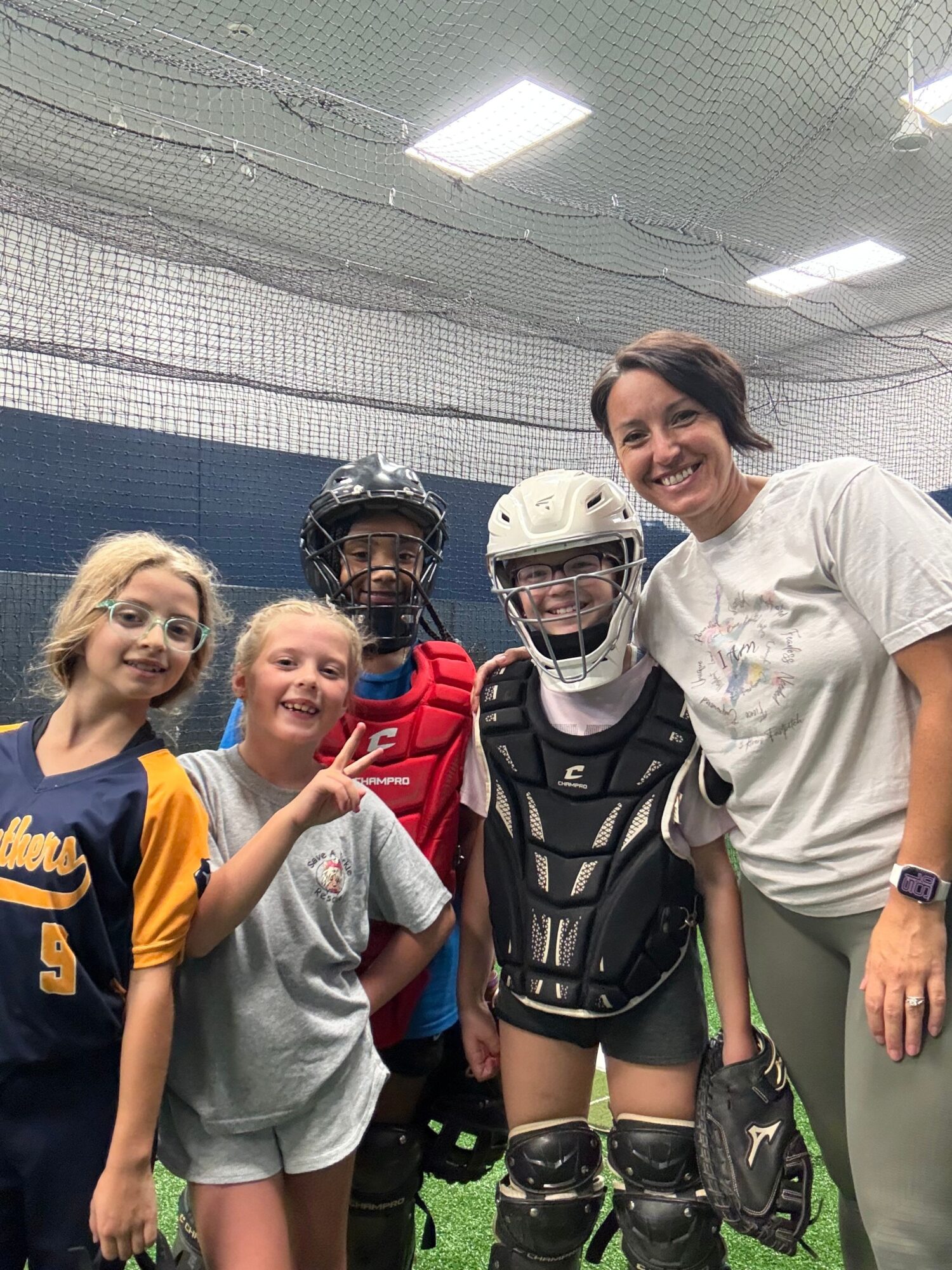
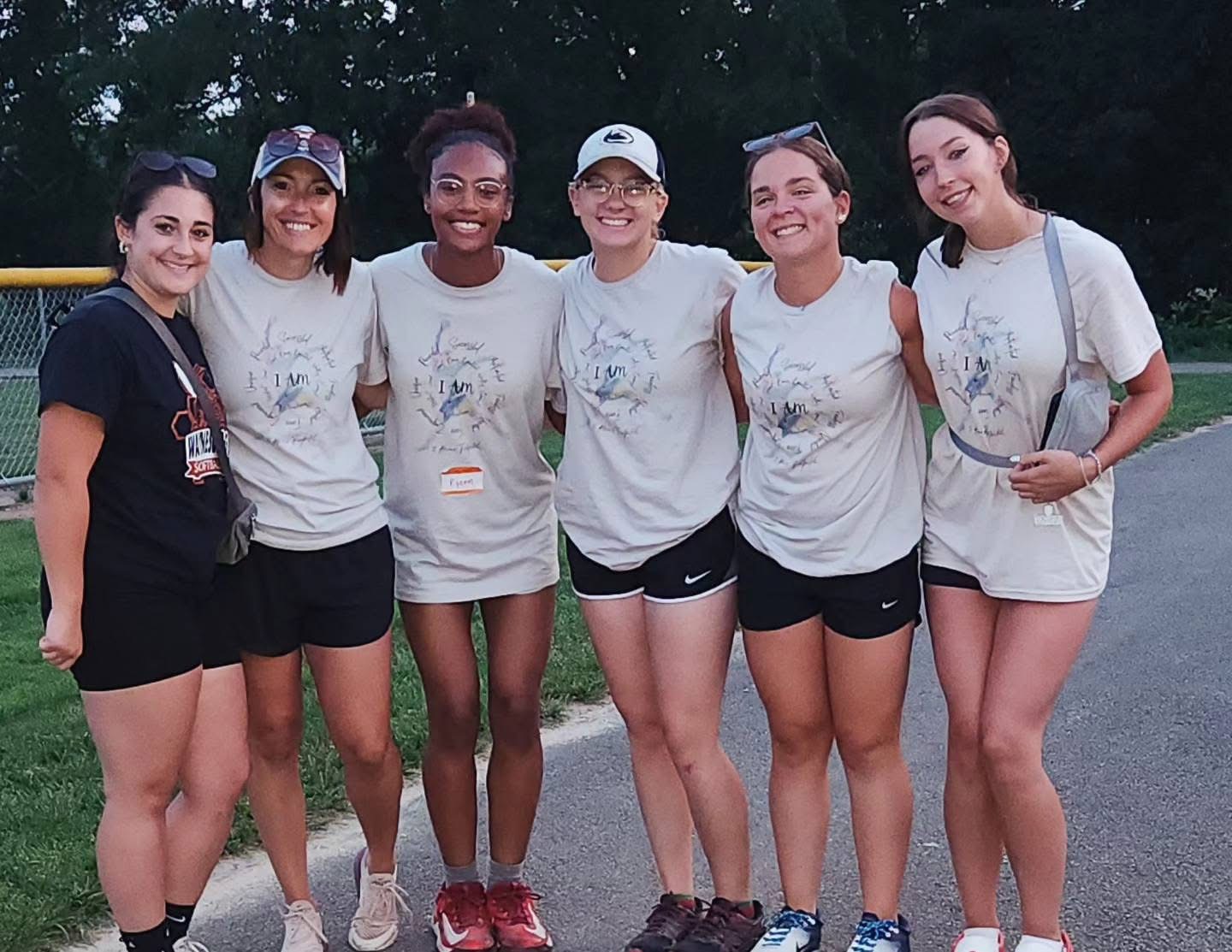
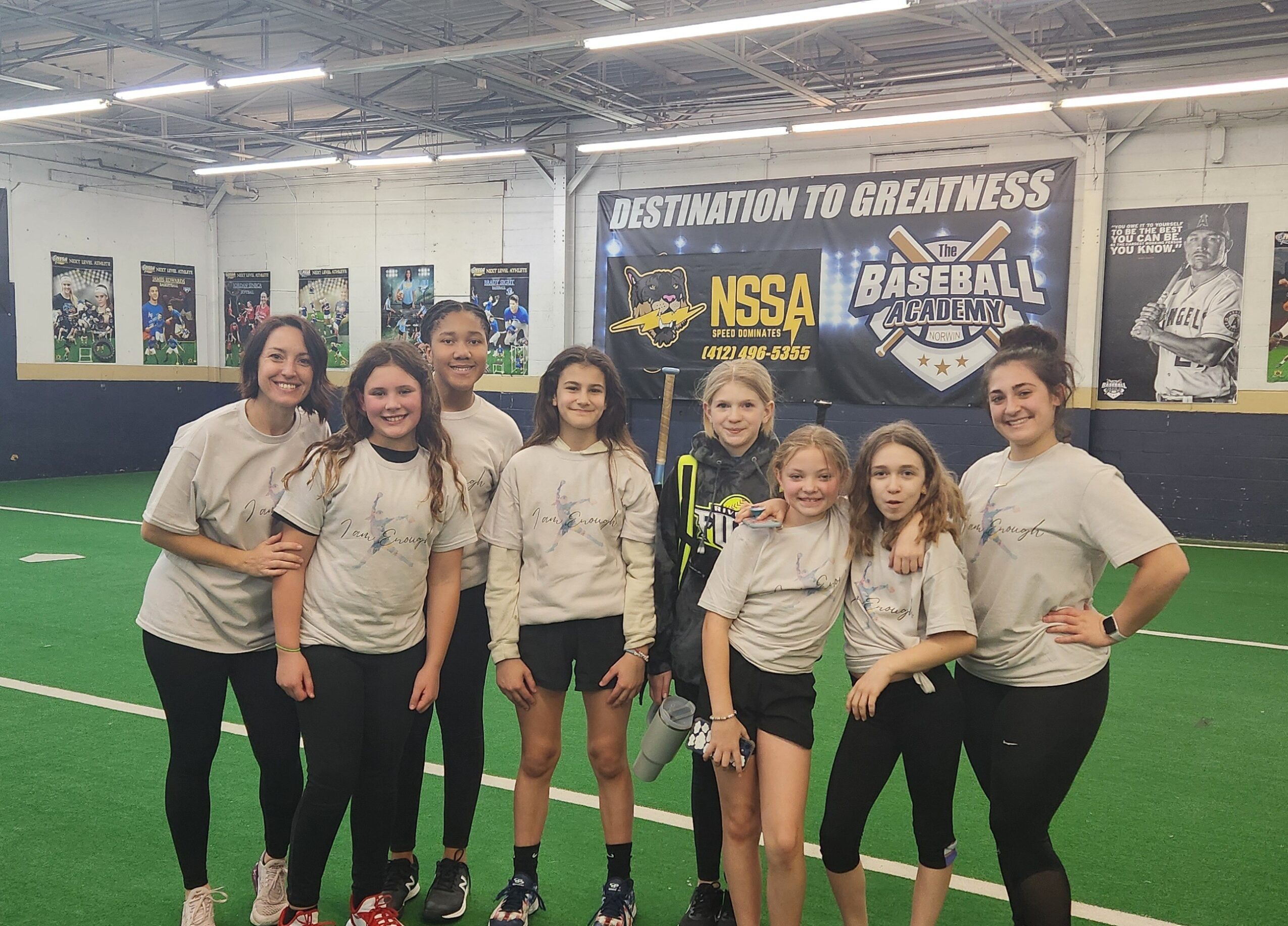
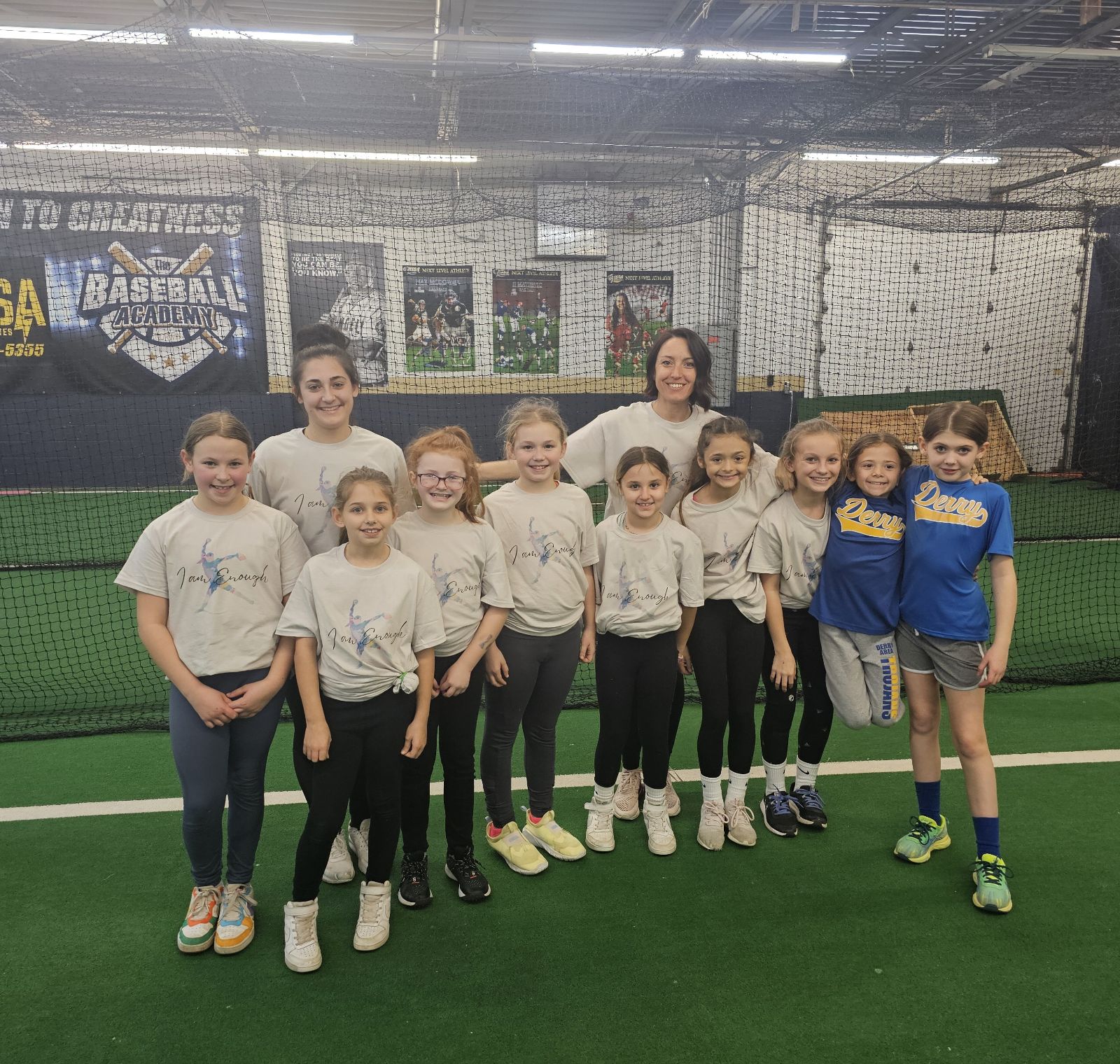
Today, I am the owner and founder of **3 Rivers Fastpitch**, where I specialize in developing fastpitch softball athletes, with a particular focus on pitching, game IQ, mental performance, confidence, and helping young athletes develop the tools they need to succeed both on and off the field.
While pitching is where my journey began, my approach has evolved into so much more than simply teaching mechanics. I believe becoming a successful athlete requires understanding the physical, mental, and emotional sides of the game.
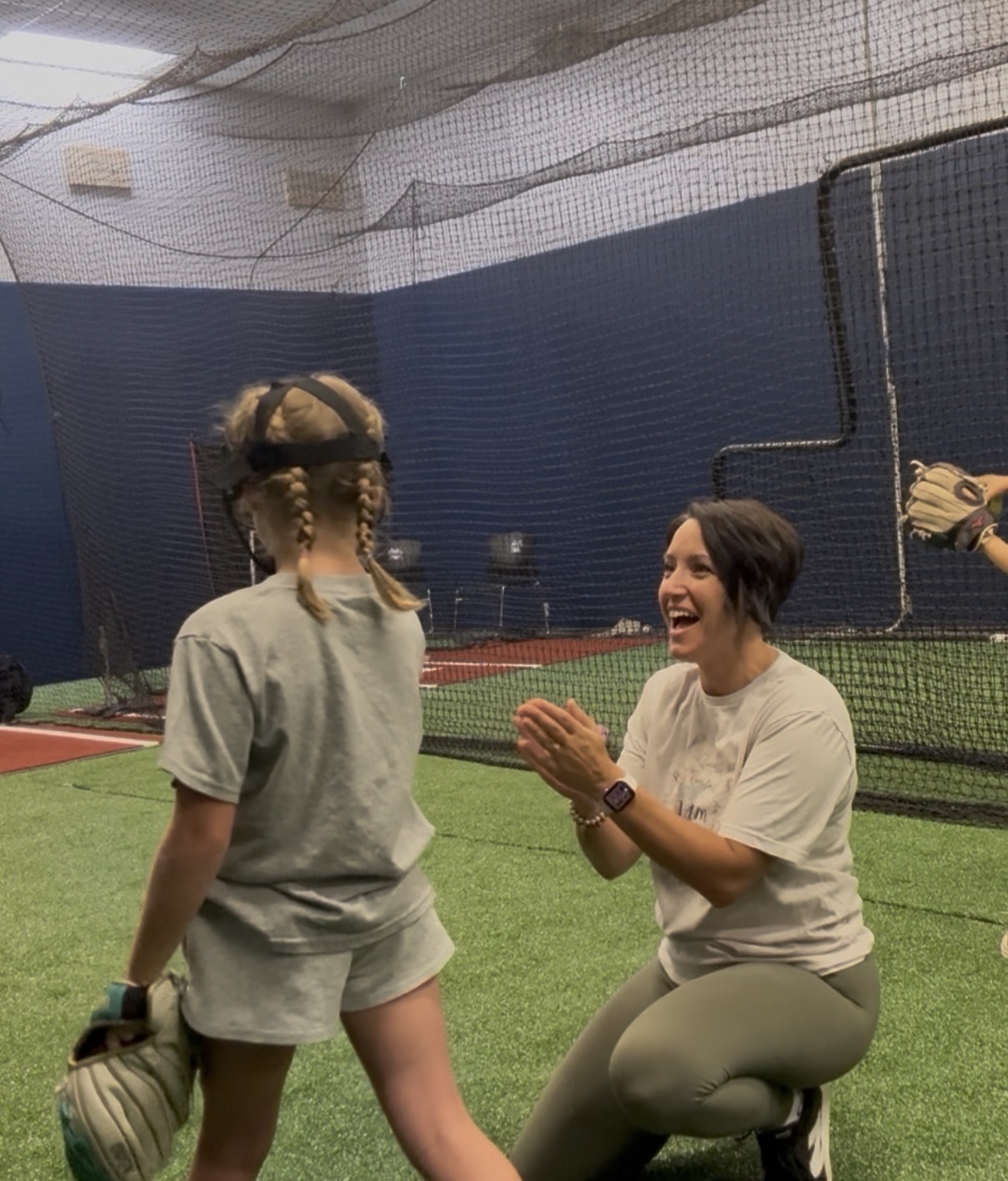
I work with athletes on mechanics and pitch development, but I also focus heavily on teaching them how to think through the game. I want them to understand hitters, recognize situations, make adjustments, and learn how to trust themselves when they are standing in the circle.
A lot of that comes directly from the lessons I learned from my grandfather, Coach B. He used to tell me, **”It’s a game of chess.”** As a pitcher, you have to think ahead. You have to understand the person standing in the batter’s box, recognize patterns, make adjustments, and always be prepared for the next move.
That philosophy has become a major part of how I train athletes today.
I am also passionate about the mental side of sports. Confidence, resilience, handling failure, overcoming pressure, and learning how to respond when things don’t go your way are just as important to me as throwing the perfect pitch. I want my athletes to understand that failure isn’t the end of the road—it’s information. It’s an opportunity to figure out what needs to change and continue moving forward.
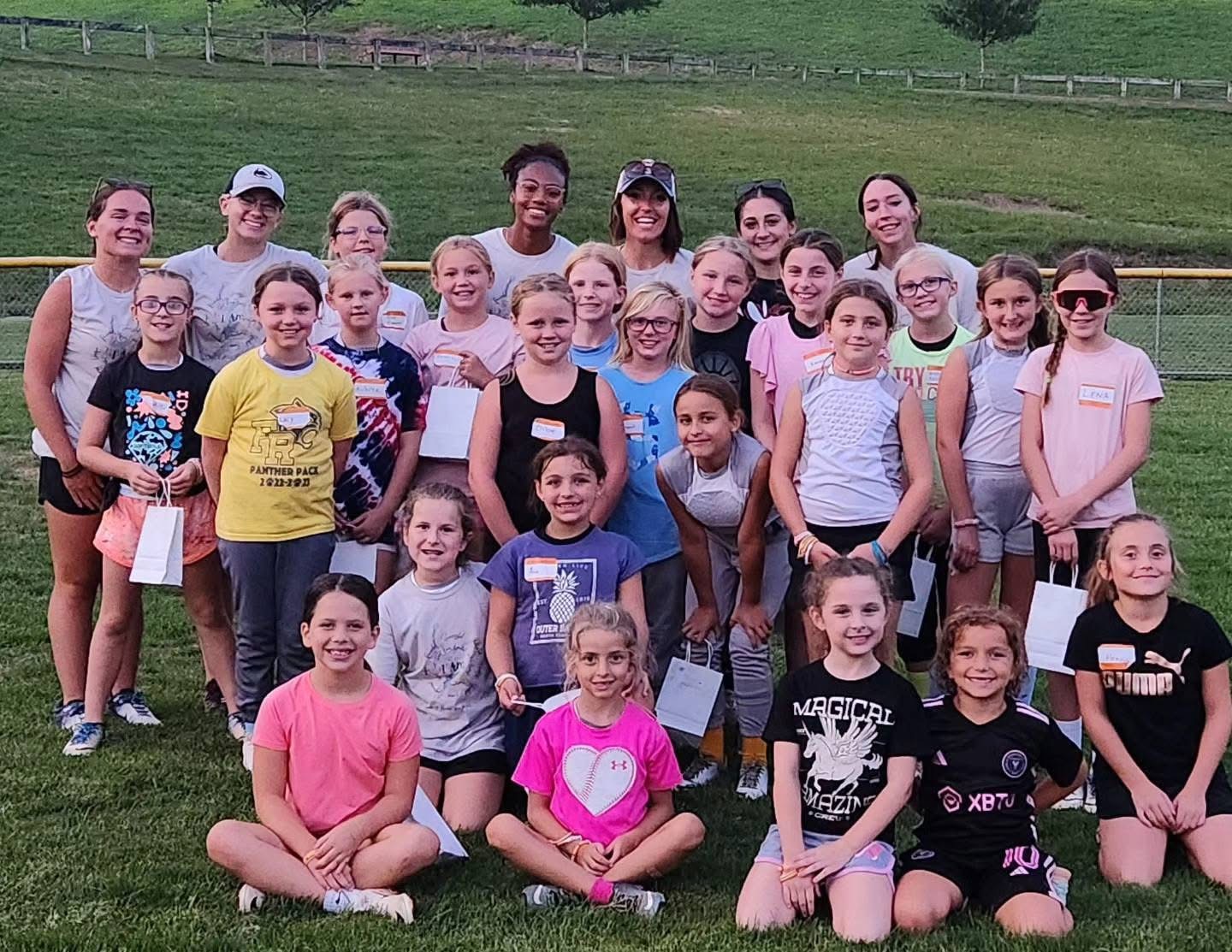
Over the years, I’ve had the opportunity to train thousands of young athletes, and many have gone on to play at the collegiate level. I am incredibly proud of their accomplishments, but honestly, that isn’t what makes me the proudest.
What I’m most proud of is watching a young athlete grow into herself.
It’s seeing the girl who was afraid to throw the ball finally step confidently into the circle. It’s watching an athlete who once wanted to quit push through a difficult season. It’s seeing a young girl learn to handle failure without allowing it to define her.
Those moments mean more to me than wins, championships, or statistics ever could.
Outside of 3 Rivers Fastpitch, I’ve also developed a strong passion for **photography, storytelling, and digital media**. What started as something I simply loved doing creatively has grown into a side business where I work with local sports organizations, athletic programs, teams, and even public figures and community leaders on social media, photography, and digital content.
I love capturing the moments that people don’t always get to see—the emotion after a big play, the excitement on an athlete’s face, the behind-the-scenes moments, and the stories that make a team or organization special. I’ve also had the opportunity to help organizations build their online presence and tell their stories through social media and visual content.
That creative side of my work has become a really natural extension of who I am. Whether I’m standing on a softball field coaching a pitcher or standing behind a camera capturing an athlete’s story, I love helping people **see the work, passion, and person behind the performance.**
I think what sets me apart is that I’ve experienced this game from nearly every side. I’ve been the young athlete, the travel ball player, the college player, the college coach, the private instructor, the facility operator, and now a business owner building a program of my own. I’ve also developed an entirely different skill set through photography, marketing, social media, and storytelling.
I’ve learned that all of those experiences connect.
Coaching taught me how to develop people. Business taught me how to solve problems and lead. Photography taught me how to see moments and tell stories. Social media taught me how to communicate those stories to a larger audience.
I’ve also experienced adversity outside of softball, and I understand that sometimes life changes the way you see everything. My own experiences have made me realize that sports can be an incredible tool for preparing young people for the challenges they will eventually face outside of athletics.
That is ultimately what I want 3 Rivers Fastpitch to represent.
Yes, I want to help athletes throw harder, develop better pitches, and become smarter softball players. I want them to reach their goals, make teams, and, for those who choose that path, have the opportunity to play at the collegiate level.
But more than that, I want them to leave my program knowing that they are capable of doing hard things.
I want them to learn how to work when things aren’t easy, how to adapt when a plan doesn’t work, how to handle failure, and how to trust themselves.
Because someday, softball will end.
But the confidence, resilience, work ethic, creativity, problem-solving skills, and belief in themselves that they develop along the way can stay with them for the rest of their lives.
And if I can use everything I’ve learned—as an athlete, coach, entrepreneur, photographer, and storyteller—to help young people recognize their own potential, that’s what I’m most proud of.
Can you talk to us about how you think about risk?
I don’t know if I would describe myself as someone who takes risks just for the sake of taking them. I think I’m more comfortable with uncertainty than I used to be. When I believe strongly in something, I’m willing to take the chance—even when I don’t know exactly how it’s going to work out.
Looking back, I’ve taken some pretty significant risks throughout my life.
Leaving a successful position at The Homer Warehouse to take over a 92-acre horse farm and suddenly become responsible for 17 horses was certainly a risk. I was stepping into an entirely different world and learning a business I had never actually run before. But my grandparents needed someone to step up, and I believed I could figure it out.
Starting 3 Rivers Fastpitch as a full-time career was another huge risk. I was taking something I loved and turning it into my livelihood. There was no guarantee it would work. There were plenty of moments when I wondered if I was making the right decision, but I knew I wanted to build something that was mine and create a program that reflected the way I believed young athletes should be coached.
Even my decision to pursue photography and social media grew out of taking a chance on something I enjoyed. I never set out with a master plan to build a creative business. I simply loved photography, loved telling stories, and loved helping organizations showcase what they were doing. One opportunity led to another, and eventually I found myself working with local sports organizations, athletic programs, teams, and community leaders on photography, social media, and digital content.
My biggest risk, however, was probably the decision to rebuild my life after my horseback riding accident in 2019.
Breaking my leg in half and going through emergency surgery changed my perspective on risk completely. When you have an experience where you genuinely believe you might not survive, you start looking at life differently. I realized that there are risks in everything we do—but there are also risks in never pursuing the things that matter to us.
That doesn’t mean I think people should make impulsive decisions. I actually believe good risk-taking requires a lot of thought.
I ask myself: **What is the worst-case scenario? Can I recover from it? What could I learn from it? And what happens if I don’t take the chance at all?**
That last question has become especially important to me.
Sometimes we focus so much on the possibility of failure that we forget there is also a cost to staying exactly where we are. Comfort can be wonderful, but too much comfort can keep you from growing.
My Pap taught me from a very young age to choose adversity over comfort and complacency. As a pitcher, I learned that you can’t always throw the same pitch and expect a different result. You have to read the situation, make adjustments, and sometimes take a calculated chance.
It’s the same way I approach life and business.
I don’t need to know exactly what the next five years will look like. I just need to be willing to take the next pitch.
Some of the best things in my life have come from taking a chance when I couldn’t see the entire path ahead of me.
And honestly, I think that’s one of the biggest lessons I hope to teach the young athletes I work with: **you don’t have to be fearless to take a risk. You just have to believe that you’re capable of handling whatever happens next.**
Contact Info:
- Website: https://www.3riversfastpitch.com
- Instagram: @3riversfastpitch
- Facebook: Jen Keller (@jen.keller.550257)
- LinkedIn: https://www.linkedin.com/in/3riversfastpitch/