


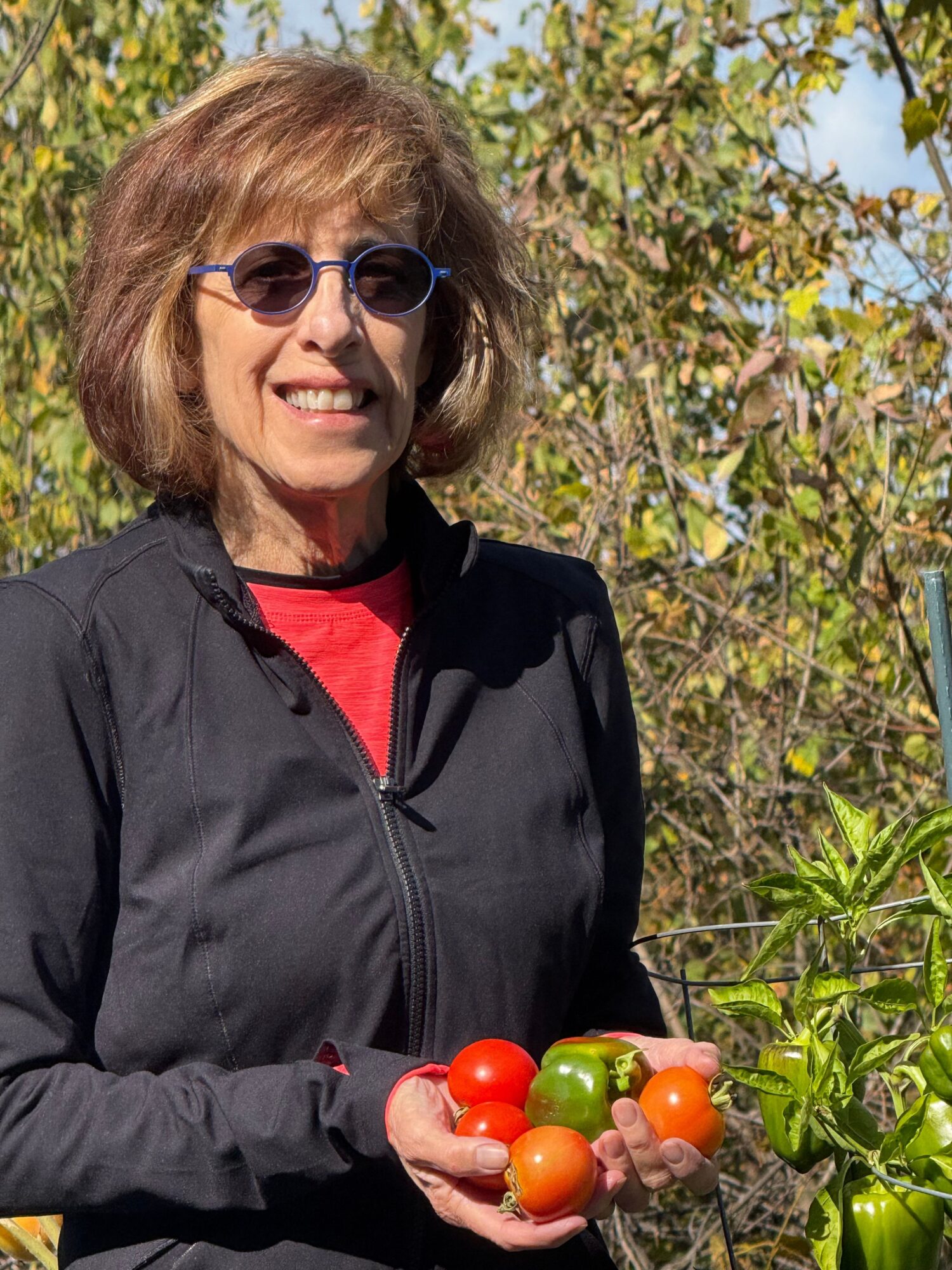
Today we’d like to introduce you to Sally Lipsky.
Hi Sally, we’d love for you to start by introducing yourself.
My life took an abrupt and shocking turn in 2007. A month after a clean bill of health from my gynecologist, I was diagnosed with late-stage ovarian cancer. (Ovarian cancer often is diagnosed at an advanced stage because of subtlety of symptoms and lack of reliable screening tests.) I was stunned, especially since I thought I maintained a healthy lifestyle. I exercised regularly and ate a “good” diet, which included lots of dairy products, eggs, and poultry. I immediately had surgery, followed by months of chemotherapy.
I was officially in remission in 2008, though keenly aware that most patients with my type of cancer experience recurrences within two years. I considered cancer to be a ticking time bomb inside me, ready to explode at any time.
Not long after, I read an interview with Dr. David Servan-Schreiber, who wrote the book Anticancer: A New Way of Life. This book opened my eyes to the relationship between foods and health. I’d eaten the traditional Western diet all my life, never knowing or considering the connection between food and disease.
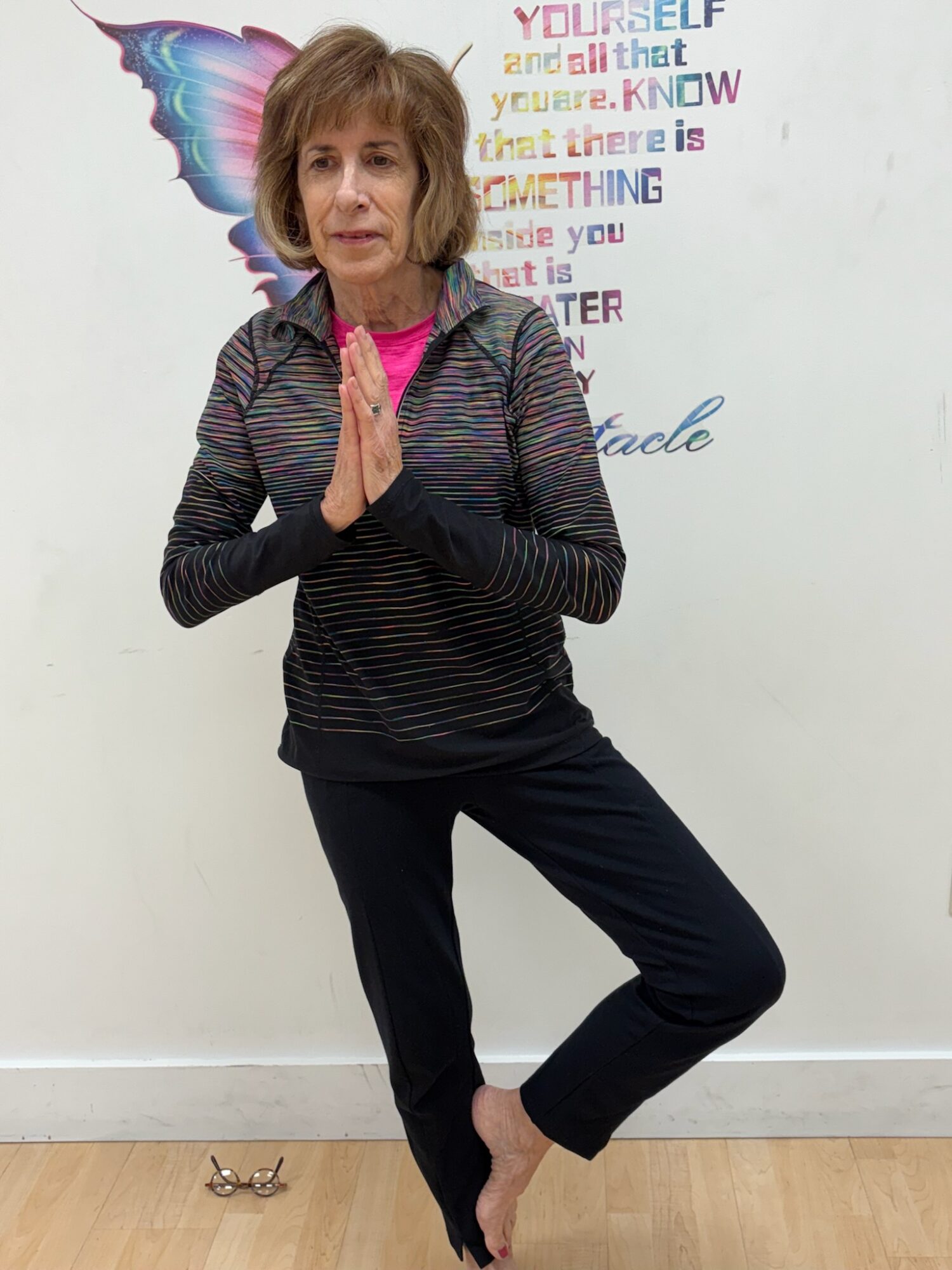
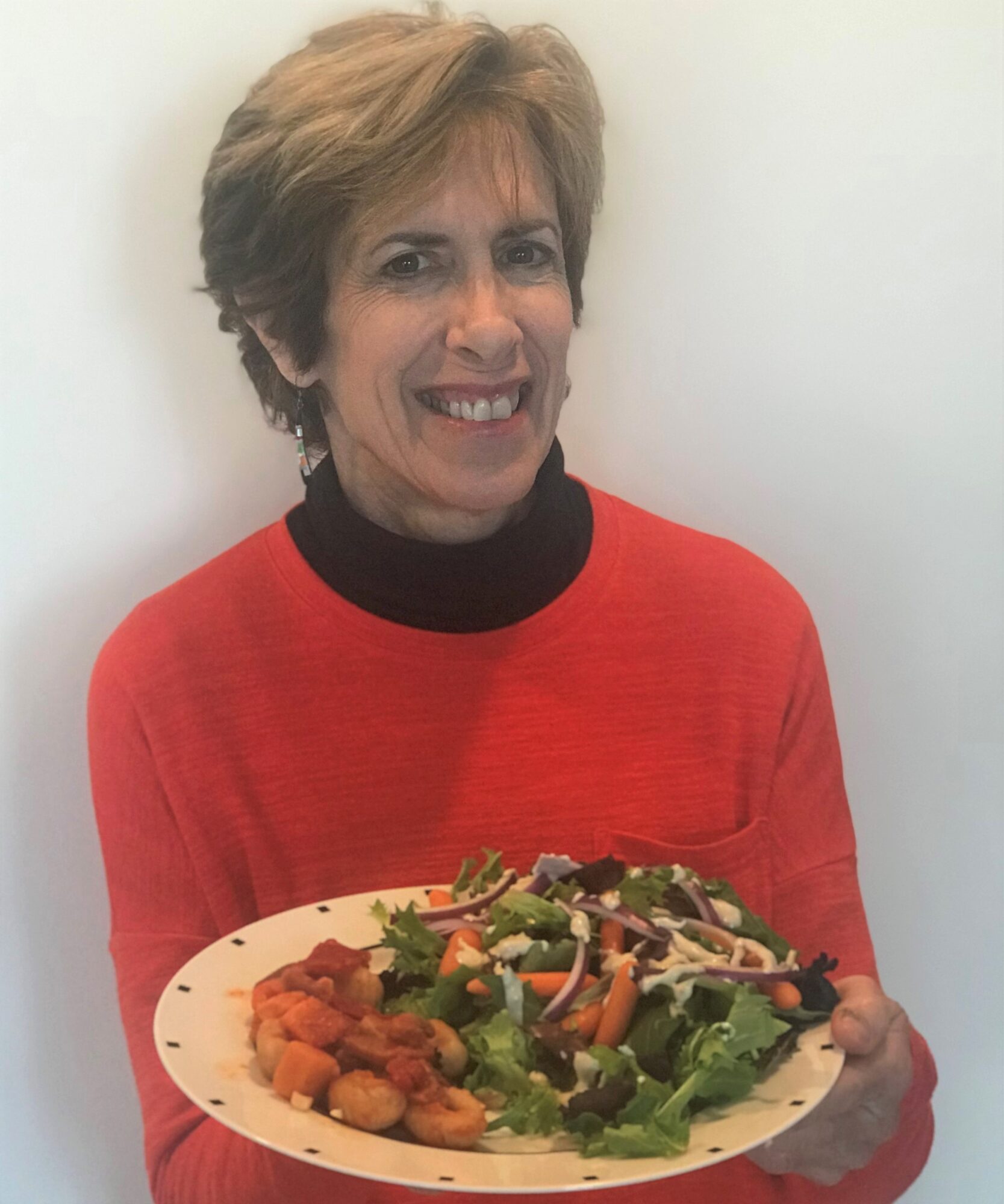
I began reading more and more. I learned how foods consumed on a day-to-day basis have an immediate and lasting impact on health and well-being. Soon I realized I had a powerful tool—food—to help me fend off cancer recurrence. This gave me a much-needed sense of control and empowerment. To this today I have not had any cancer recurrence. I’m convinced a plant-based diet—as well as a lifestyle with family, friends, yoga, and much gratitude—keeps cancer at bay.
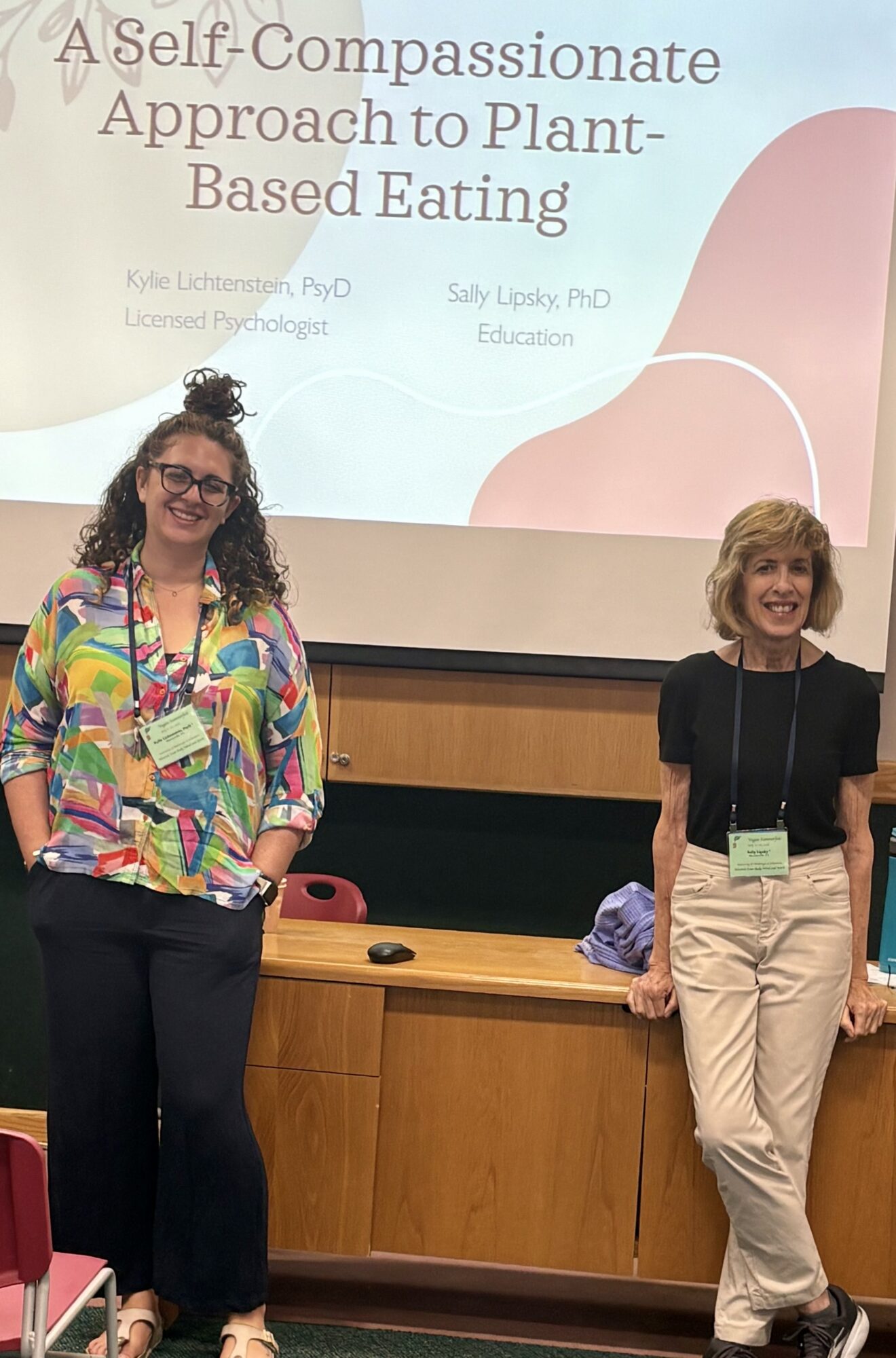
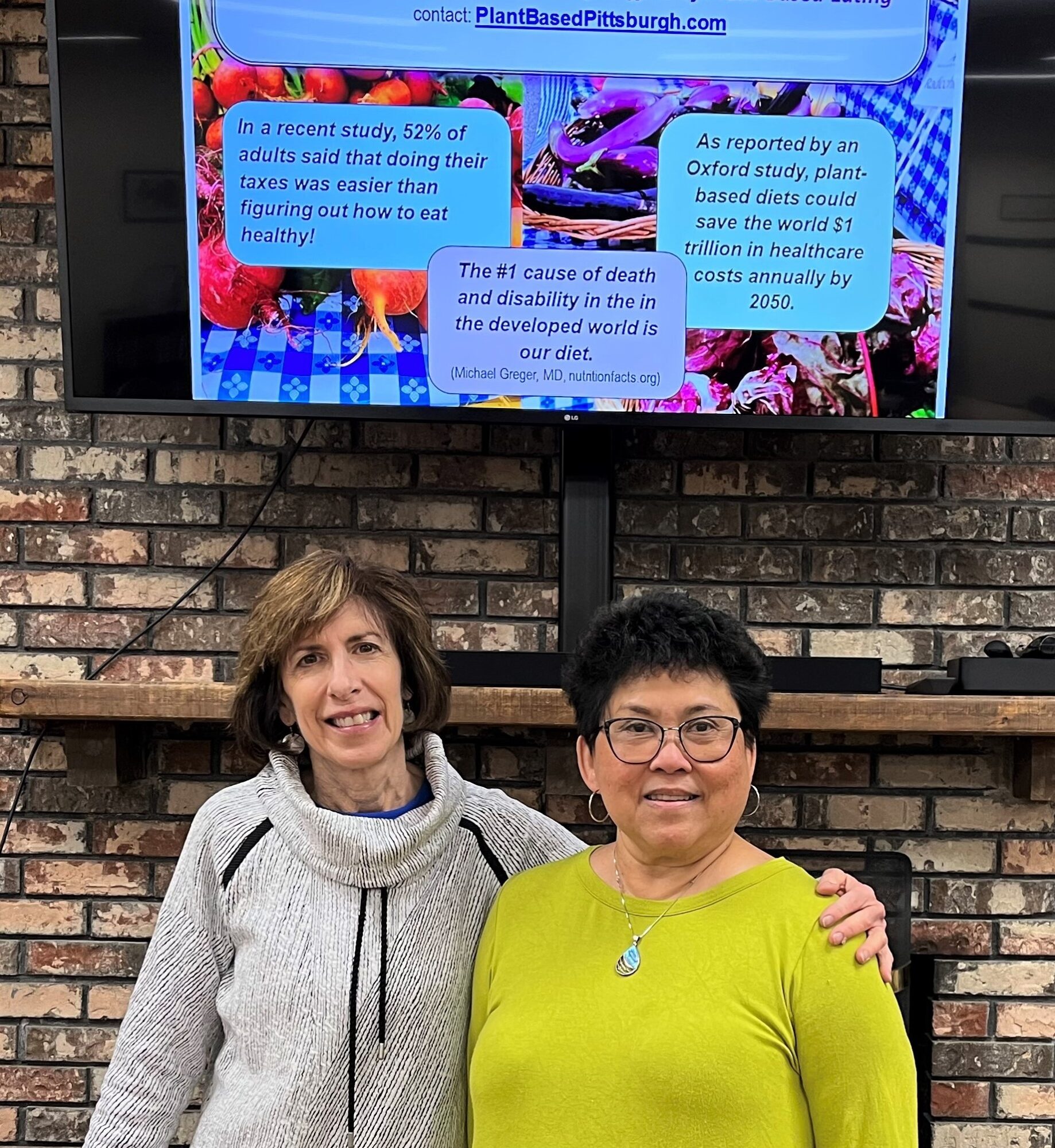
Through the years, I have advocated for healthy plant-based eating by presenting workshops and classes, starting a non-profit (Food for Health), and leading the organization Plant-Based Pittsburgh, with a mission to educate and support whole food, plant-based eating. In addition, I have authored articles and a book (Beyond Cancer, The Powerful Effect of Plant-Based Eating), and overall have tried to be a role model for a healthier and kinder world.
I’m sure it wasn’t obstacle-free, but would you say the journey has been fairly smooth so far?
Change is rarely smooth.
Most patients with my type of cancer experience recurrences within two years. Facing this alarming prognosis, and with two teenage daughters, I was determined to do whatever I could with dignity and grace. At this point, my doctor’s visits were every 3 months. Before each visit, knowing I would receive test results, my anxiety would spiral upward. (To illustrate: before one appointment, I was so anxious a friend sent me Xanax tablets via overnight delivery!) Each time I received a report of normal test results, my anxiety instantly dissolved. Ahh—the joyous feeling of getting one’s life back, at least for a few more months! On Valentine’s Day 2008, I officially was in remission (though still receiving treatment). My husband and I celebrated. However, I remained ever-vigilant about cancer’s return. As I learned more and more about plant-based eating and began to change my eating habits, my anxiety decreased since I recognized that I did have some control over disease. However, as most people with cancer know, cancer was continually in the back of my mind, especially in the first five years after diagnosis.
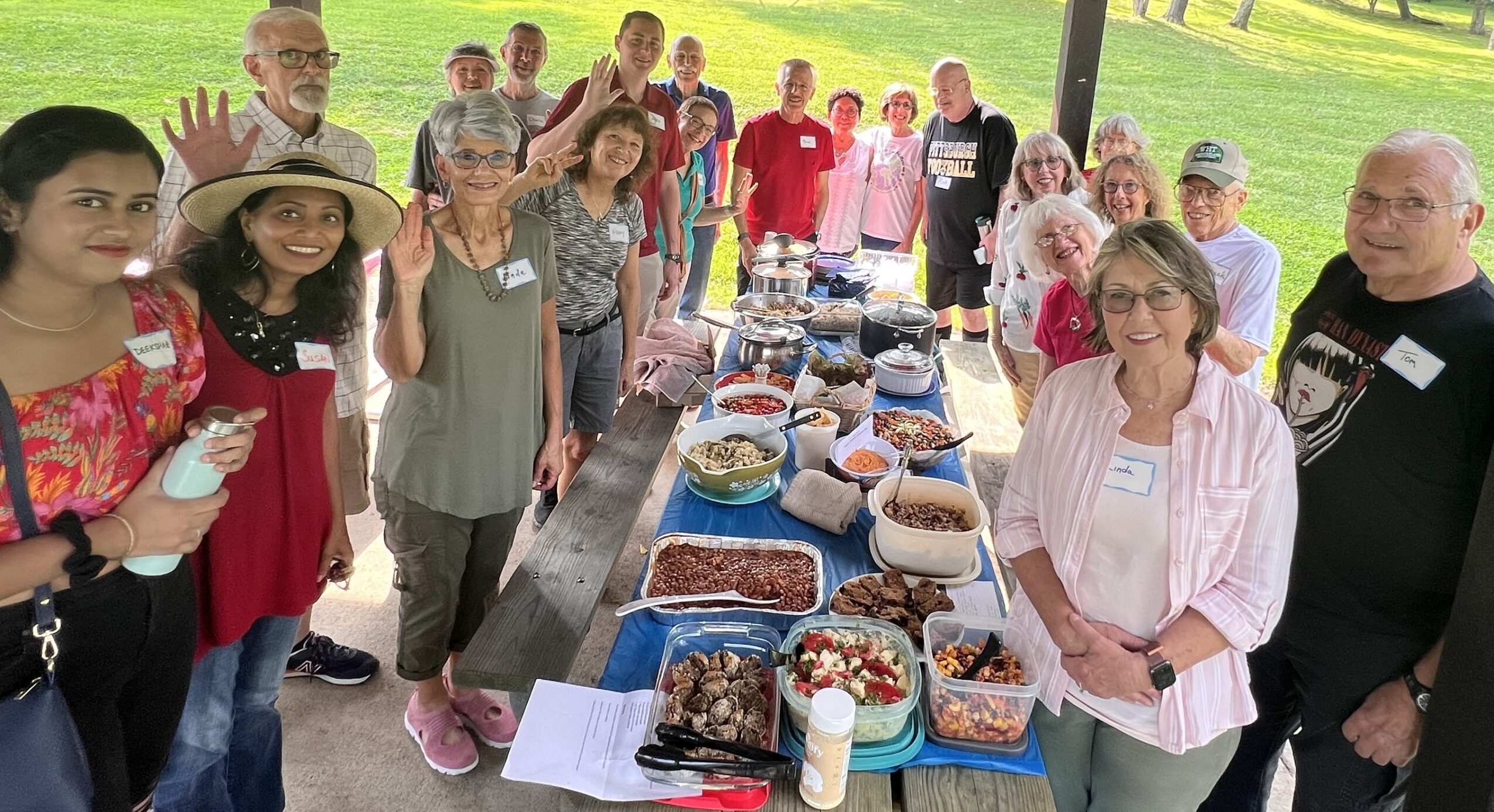
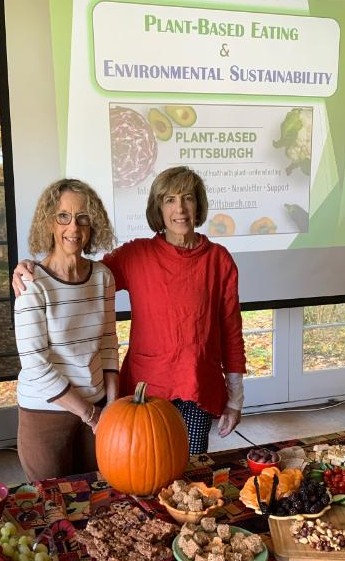
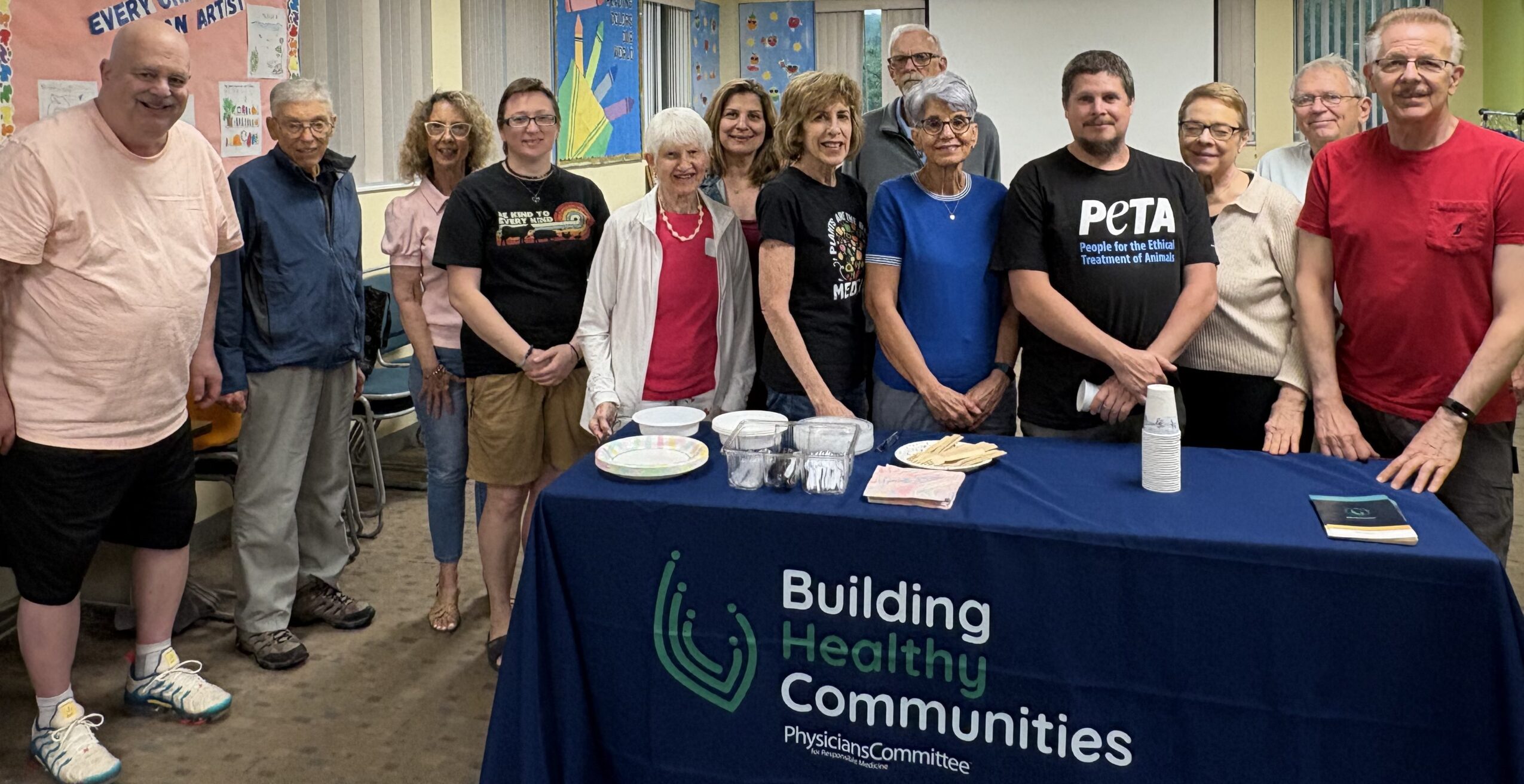
Unfortunately, knowledge about plant-based eating is not widespread in our health-care systems and cancer support organizations. Physicians receive little, if any, training in nutrition. And most hospital kitchens are focused on cheap, not healthy, food. Thus, individuals must take charge of what they eat. Plant-based eating has been the norm for me for almost 17 years. However, it certainly is not the norm for society at large. As a career educator, I have focused on educating others about the power of a plant-based lifestyle. And I am keenly aware that maintaining this lifestyle is not easy, especially when dealing with meat-centric norms of our society. I created Plant-Based Pittsburgh as a much-needed community support organization, with monthly meetings, newsletter, potlucks, speakers, cooking demos, recipes, and community outreach. It is easy to feel a sense of isolation when one’s daily eating habits differ greatly from family and friends. Involvement with others who follow a whole food, plant-based lifestyle can be crucial to maintaining this lifestyle. Plant-Based Pittsburgh provides people with a shared culture and sense of belonging to support them in developing and maintaining healthful eating habits.
As you know, we’re big fans of you and your work. For our readers who might not be as familiar what can you tell them about what you do?
Like most cancer patients, I had little knowledge about the powerful link between food choices and cancer. Only after diagnosis did I begin learning about how certain foods can help prevent, fight, and even reverse various cancers. This vital information did not come from my physicians, nurses, hospital dietitians, or other health-care practitioners. Nor did it come from often conflicting and confusing headlines in mass media. I had to dig for this information. And I did not want other cancer survivors to have to dig for the same information. As such, I wrote the book Beyond Cancer: The Powerful Effect of Plant-Based Eating with cancer survivors, caregivers, and families in mind. And for others seeking practical information about plant-based eating. Since I was a professor of education at a nearby university for 29 years, content of this book and my overall advocacy comes from an educational perspective. I focus content on how adults learn and with a simple and practical approach that makes the transition into plant-based eating less overwhelming and substantially more successful.
Also, I am not profiting from my work as an author, speaker, and leader. My work with the non-profit and Plant-Based Pittsburgh is non-paid. I have been donating book proceeds to other nonprofit organizations that promote research, information, and education about how plant-based eating can transform our collective health and well-being.
Where do you see things going in the next 5-10 years?
Plant-based eating has become more prevalent over the years since my cancer diagnosis. And I expect that it will continue to spread, especially as our population ages and chronic diseases develop (about 80% of chronic disease–heart disease, high blood pressure, type II diabetes, cancers, autoimmune diseases–are food/lifestyle based). Also, plant-based eating greatly reduces environmental impact, thus I expect that as we become more and more conscious about the environment and global warming, people will embrace plant-based eating to a greater extent.
Contact Info:
- Website: https://www.plantbasedpittsburgh.com/
- Instagram: https://www.instagram.com/plantbasedpgh/
- Facebook: https://www.facebook.com/groups/584186278747844/
- Youtube: https://www.youtube.com/channel/UCzLN0vnf_mGNjQLmMnnOJDA/videos