


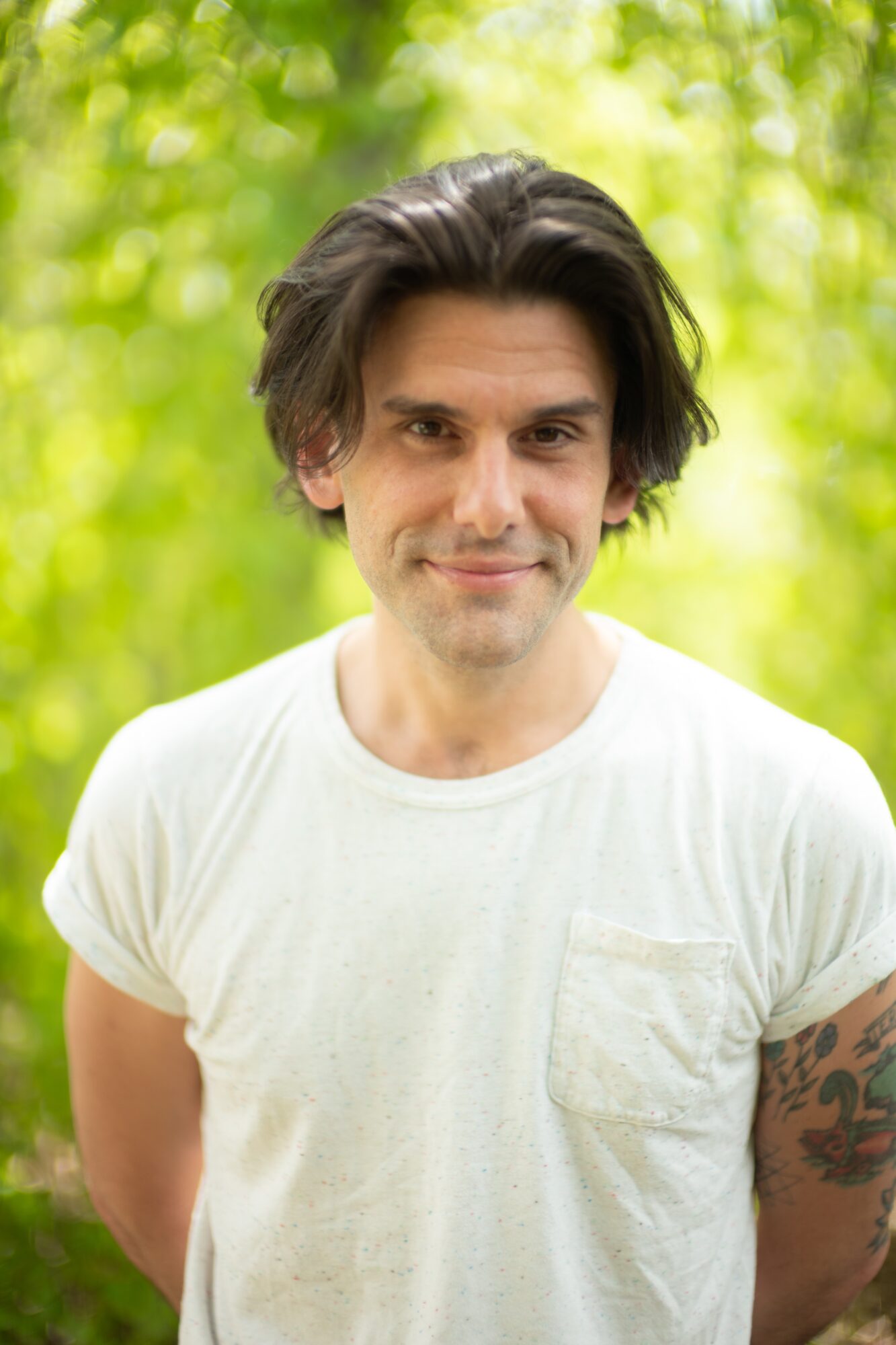
Today we’d like to introduce you to Zak Zavada.
Hi Zak, can you start by introducing yourself? We’d love to learn more about how you got to where you are today?
I grew up fascinated by cameras. I have always loved gadgets and technology, but cameras felt especially enjoyable because they combined the technical side with the ability to capture light, color, texture, and the mood of a place.
In high school, I worked in the small electronics department of a big-box electronics store and bought my first digital camera. I carried it everywhere, photographing friends, pets, landscapes, and anything else that caught my attention. Over time, the cameras became bigger and better, and photography became more than a casual interest.
I initially studied computer science in college. The school offered only one photography course, taught through the physics department, so much of it focused on the science of light and how cameras worked. It was an introductory course designed primarily for non-physics majors fulfilling a science requirement. My professor noticed that I was approaching the assignments from a more artistic perspective and asked me to present my work to the class. At the time, I was making gritty, dark photographs of empty parking garages, moody landscapes, and overlooked spaces. He joked that he would rather see photographs of pretty girls and flowers.
Around then, I began to realize that a traditional career spent sitting at a desk was probably not right for me, although ironically I now spend a good portion of every week at one. At the end of my junior year, after a period of major personal change, I decided to leave computer science and enroll in art school to study photography. My parents were incredibly supportive, even though it meant largely starting over. Many of my credits transferred, but in every way that mattered, I was starting fresh.
It turned out to be one of the most important decisions of my life. I met my future wife, Kristen, in my first photography class and found an entirely new group of creative friends. During my second semester, I studied photography in Florence, Italy. Back in Scranton, my friends and I ran an art gallery and an all-ages DIY music venue. It was a lively, formative time filled with art, music, travel, and experimentation.
Throughout college, I worked in record stores and coffee shops, traveled whenever I could, and continued making personal work. I spent time in places including India, Nepal, Japan, and the Netherlands. I self-published several photography books and exhibited my work in galleries.
While I was in art school, I also began working for an established wedding photographer in Scranton who was transitioning his business from film to digital. Because of my computer science background, I was able to help with the technical side of that transition. In return, I learned an enormous amount about photography, client service, and the business of weddings.
At the time, I considered myself an artist and thought wedding photography was inherently traditional and corny. The photographer I worked for challenged that assumption. He was a genuinely creative person making beautiful work, and he showed me that photographing weddings could be approached with artistry, curiosity, and personal style.
After school, I moved to New York City and worked in the fashion industry, assisting photographers and stylists and getting an inside look at how large creative productions operated. I met successful photographers and was offered opportunities to travel the world assisting them. Ultimately, I turned those opportunities down and chose to return home to Pennsylvania.
While I was living in New York, many of my friends were beginning to get married. They hired me to come back to Scranton to photograph their weddings, which initially helped me pay my rent. Eventually, I realized that I could move home and build a business of my own. Instead of traveling the world for someone else, I could approach each wedding as its own world, filled with new people, places, relationships, and stories to experience through my camera. I could also photograph weddings in my own way, without relying on the stiff or overly traditional conventions I had once associated with the industry.
I moved back to Scranton and started my business full-time in 2014. It grew quickly, largely through referrals and the relationships I built with clients. By 2018, the business had become busy enough that Kristen and I decided to work together. We got married, and after ten years as a graphic designer, she left her job to join the business full-time, supporting the editing and design side of what we do.
Today, we run Zak Zavada Photography together. We share a home, a business, a love for our animals, and a life built around creativity and the people closest to us. The path here was not especially direct, but every part of it shaped how I see and how I work. I feel incredibly fortunate to make a living doing something meaningful alongside the person I love. I genuinely feel like the luckiest guy in the world.
We all face challenges, but looking back would you describe it as a relatively smooth road?
It has not always been a smooth road, although many of the most important challenges have been internal.
One of the earliest was getting over the fear of being seen. Making creative work means putting part of yourself in front of other people and allowing them to form an opinion about it. I had to learn how to accept criticism, recognize useful feedback, and remain confident in my own perspective when an opinion was simply a matter of taste.
Working with clients brought another kind of growth. I had to learn how to understand what people wanted, even when they did not necessarily have the language to explain it. That meant listening carefully, helping them feel seen and respected, and giving enough direction to create strong photographs without making the experience about me.
That balance is especially important at weddings. I want to remain true to my artistic eye, but the day belongs to the couple and their families. My role is not to impose my expectations or turn the wedding into a production for my portfolio. It is to recognize what matters to them and use my perspective to preserve it honestly and beautifully.
Art school did not teach me how to run a business, so I had to learn most of that through experience. My time working in luxury retail helped more than I realized. I received excellent training in how clients want to feel: welcomed, understood, respected, and confidently guided. Those lessons continue to shape the way I run the business today.
Great, so let’s talk business. Can you tell our readers more about what you do and what you think sets you apart from others?
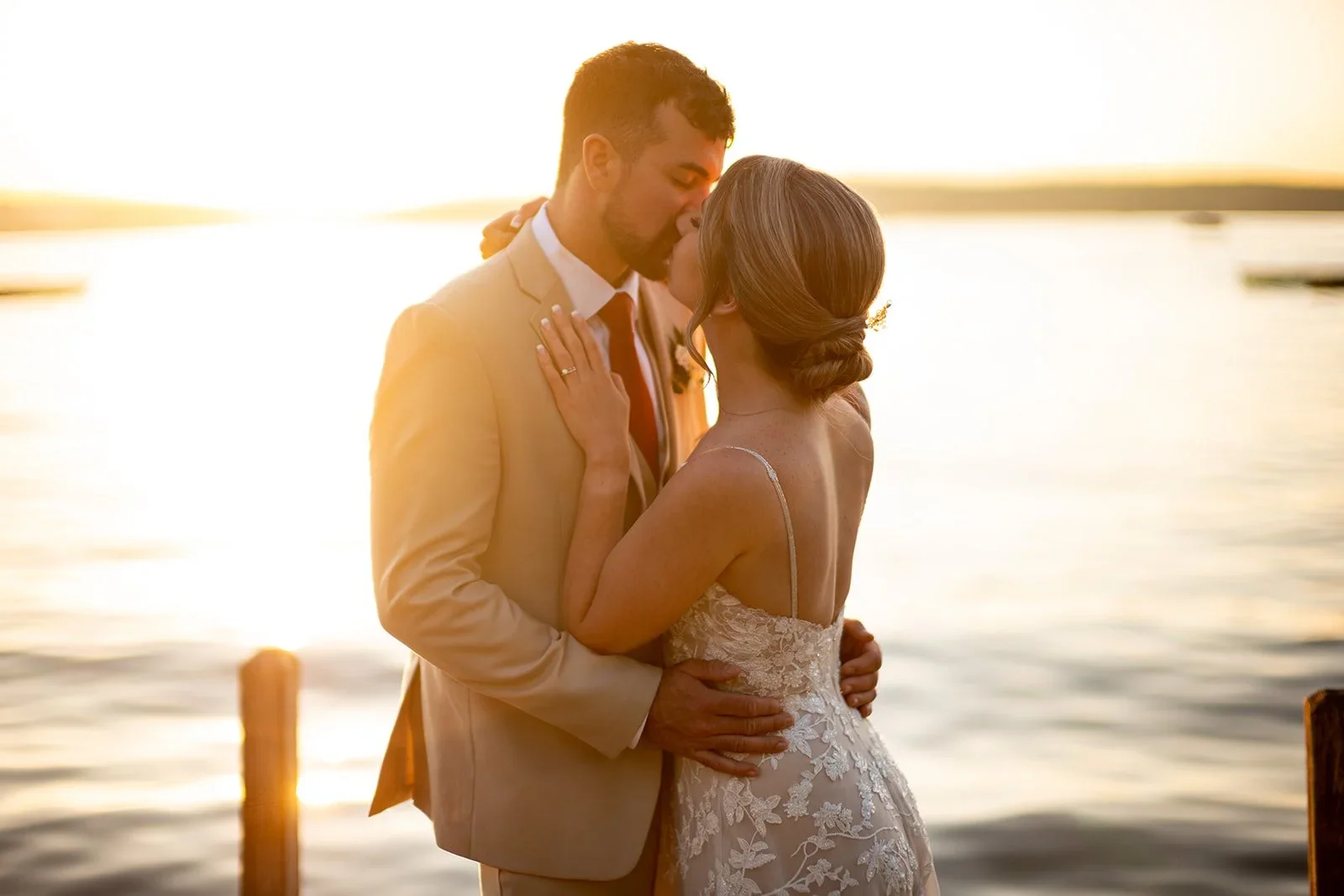
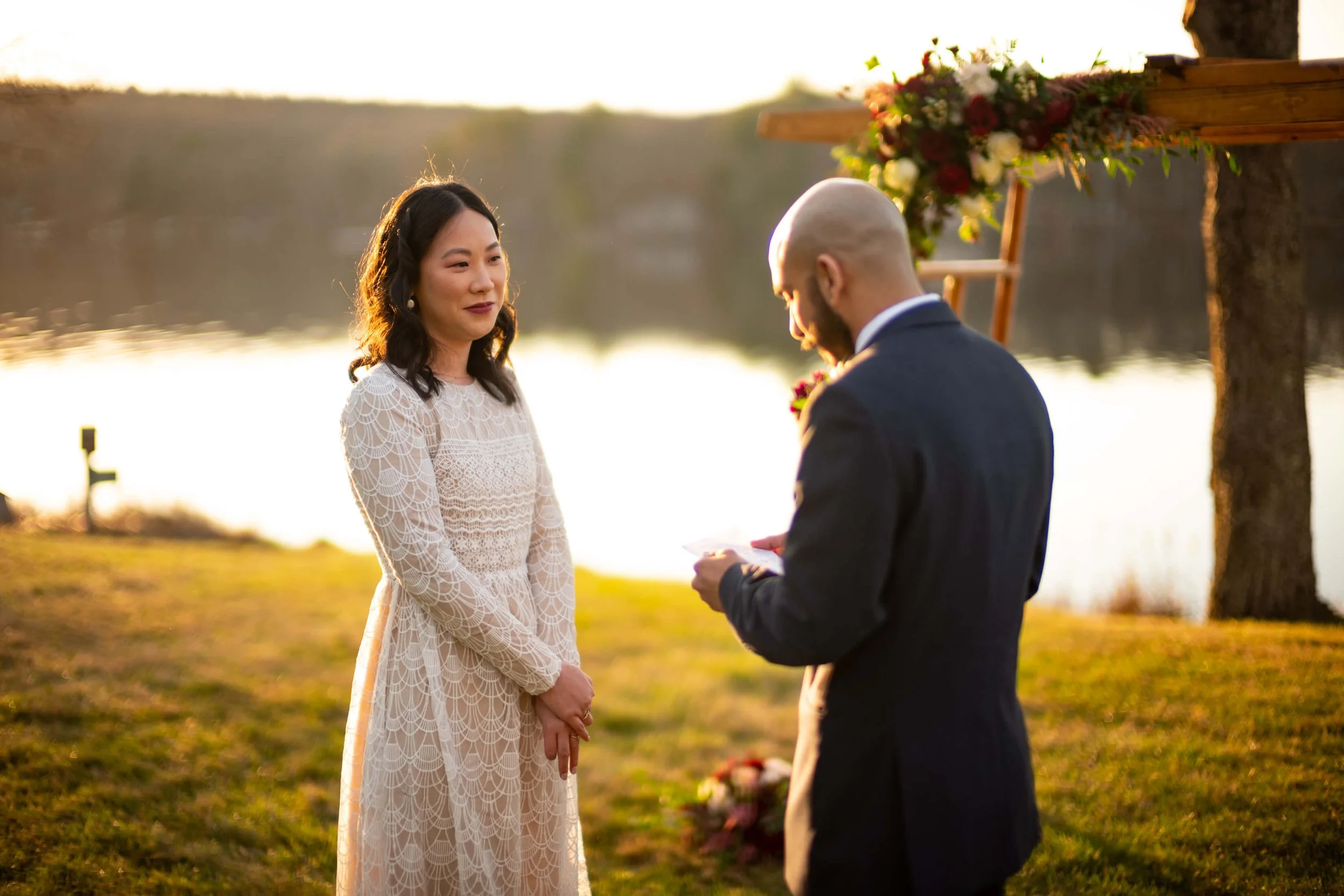
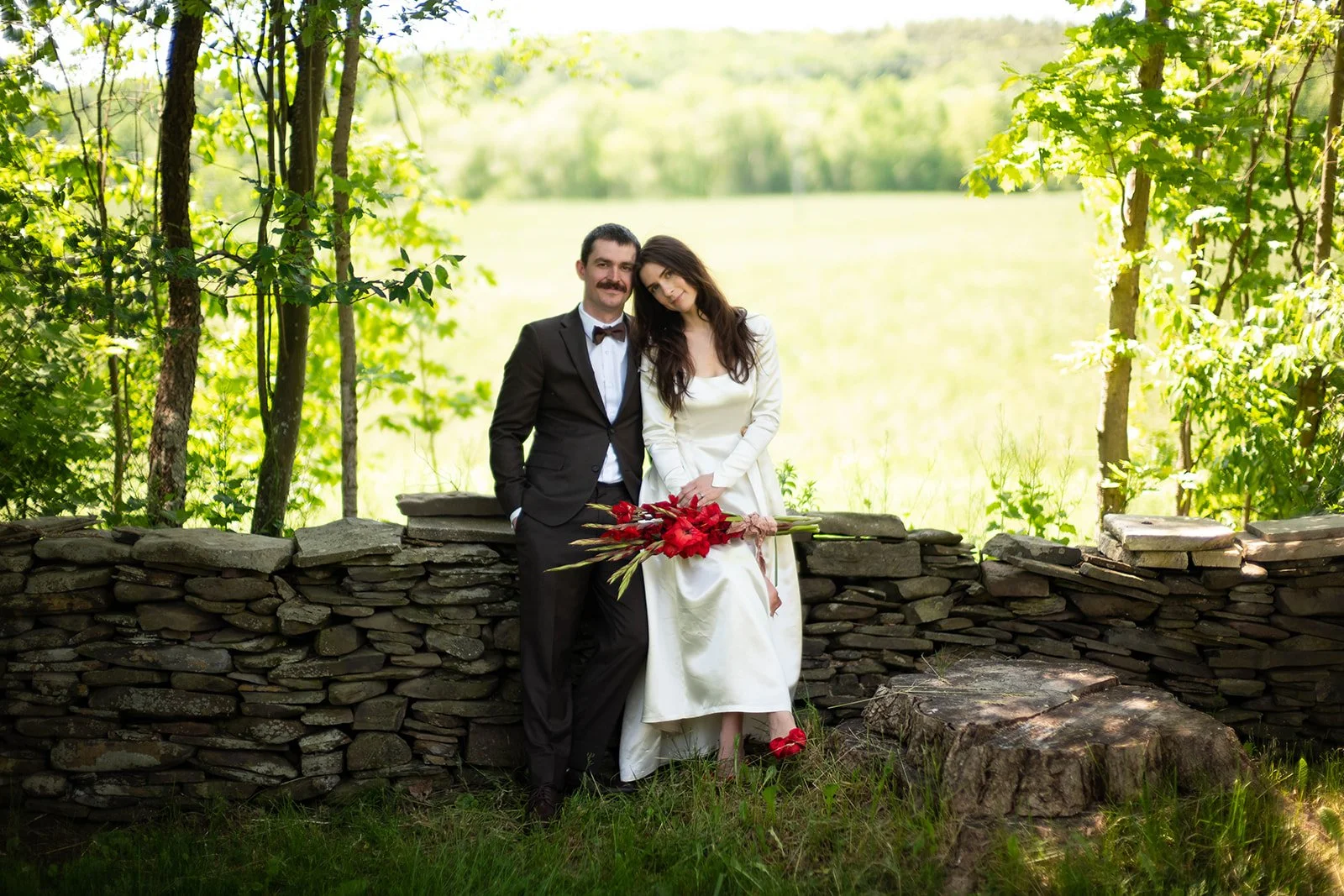
Zak Zavada Photography is a wedding and portrait photography studio based in Scranton, Pennsylvania, serving couples and families throughout northeast Pennsylvania, the Poconos, and beyond.
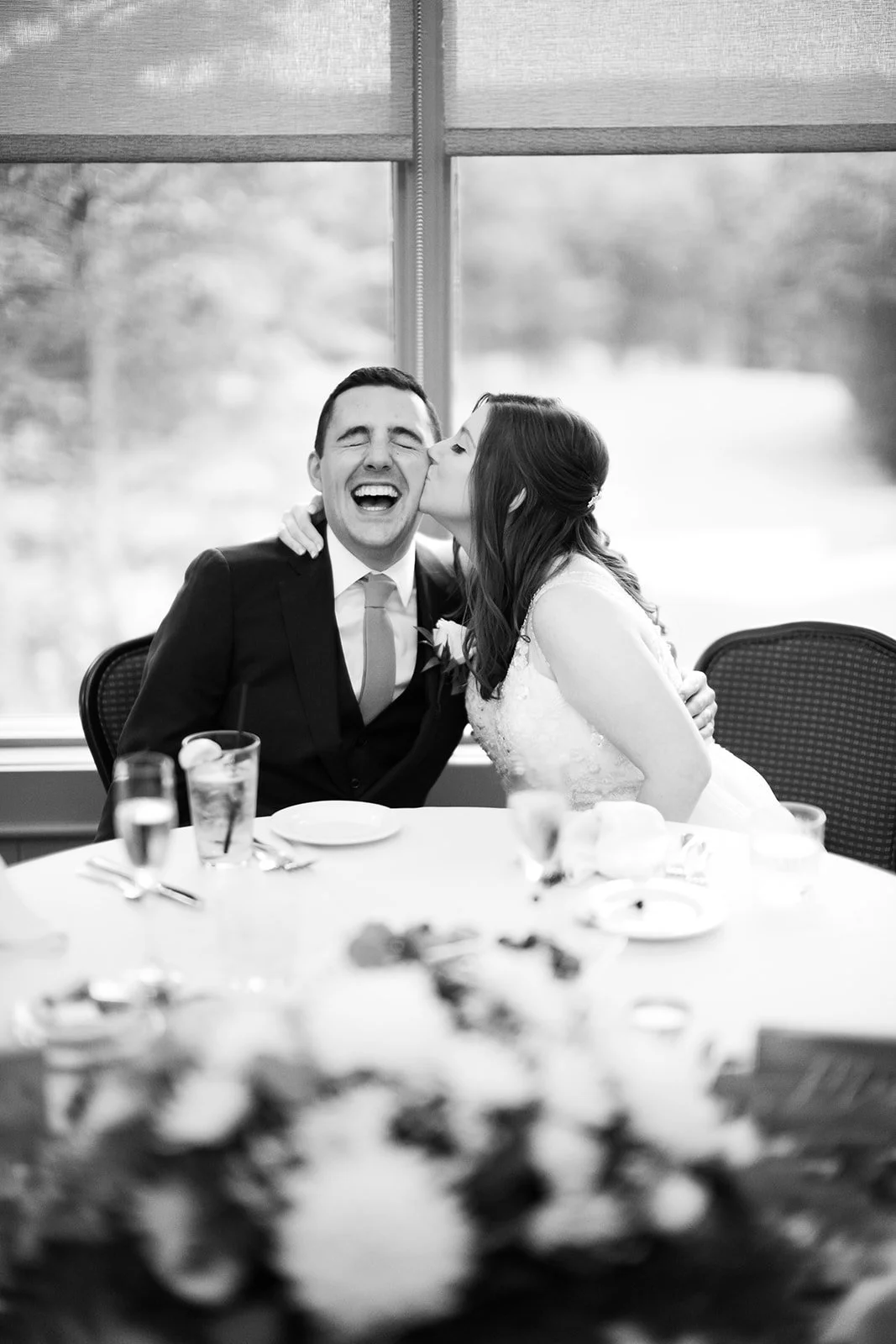
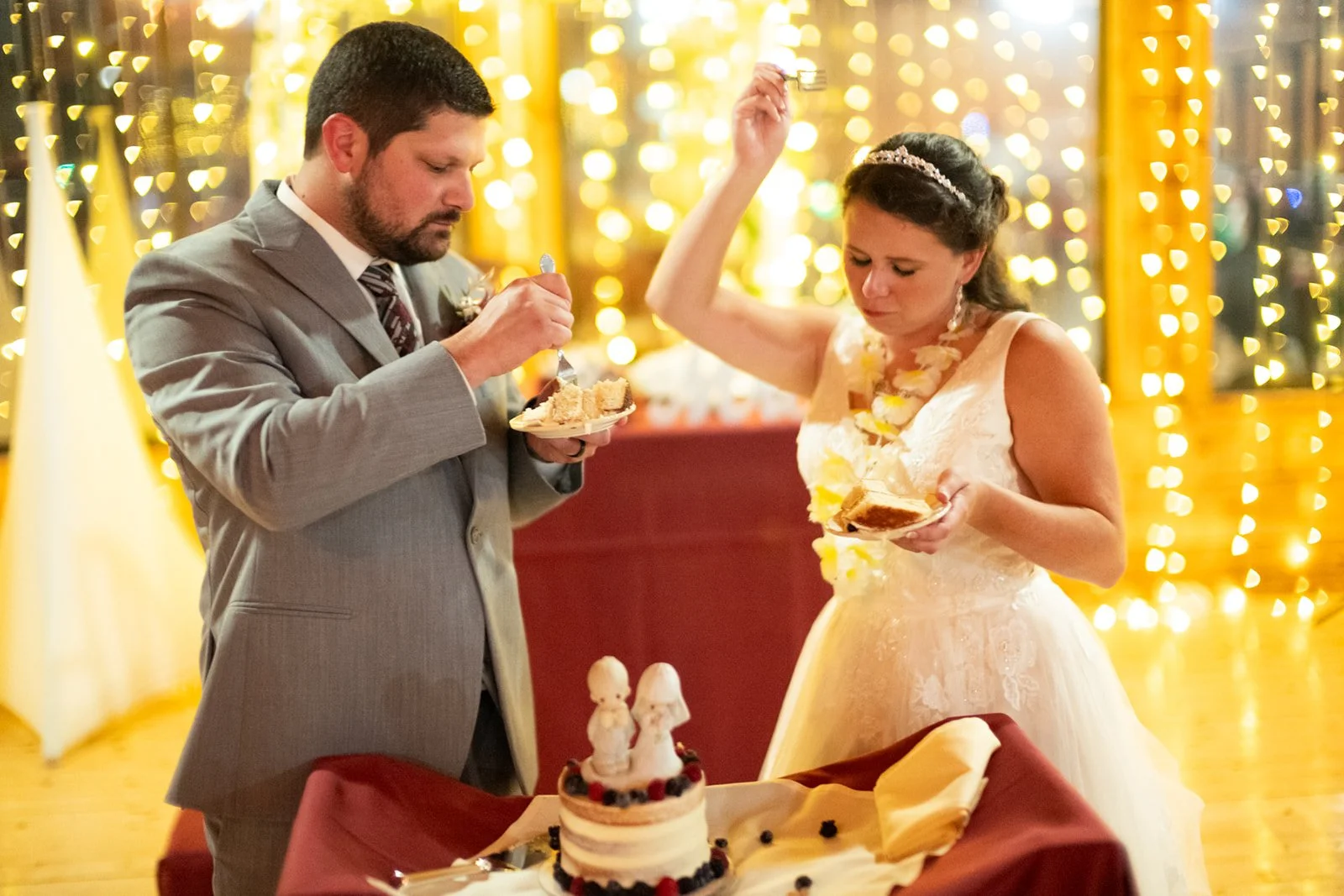
Founded in 2014, the business grew from my background in fine art photography, technology, and a lifelong curiosity about people and places. My approach combines the observational nature of documentary photography with the care and intention of thoughtful portraiture. I believe the best photographs come from creating an environment where people feel comfortable being themselves.
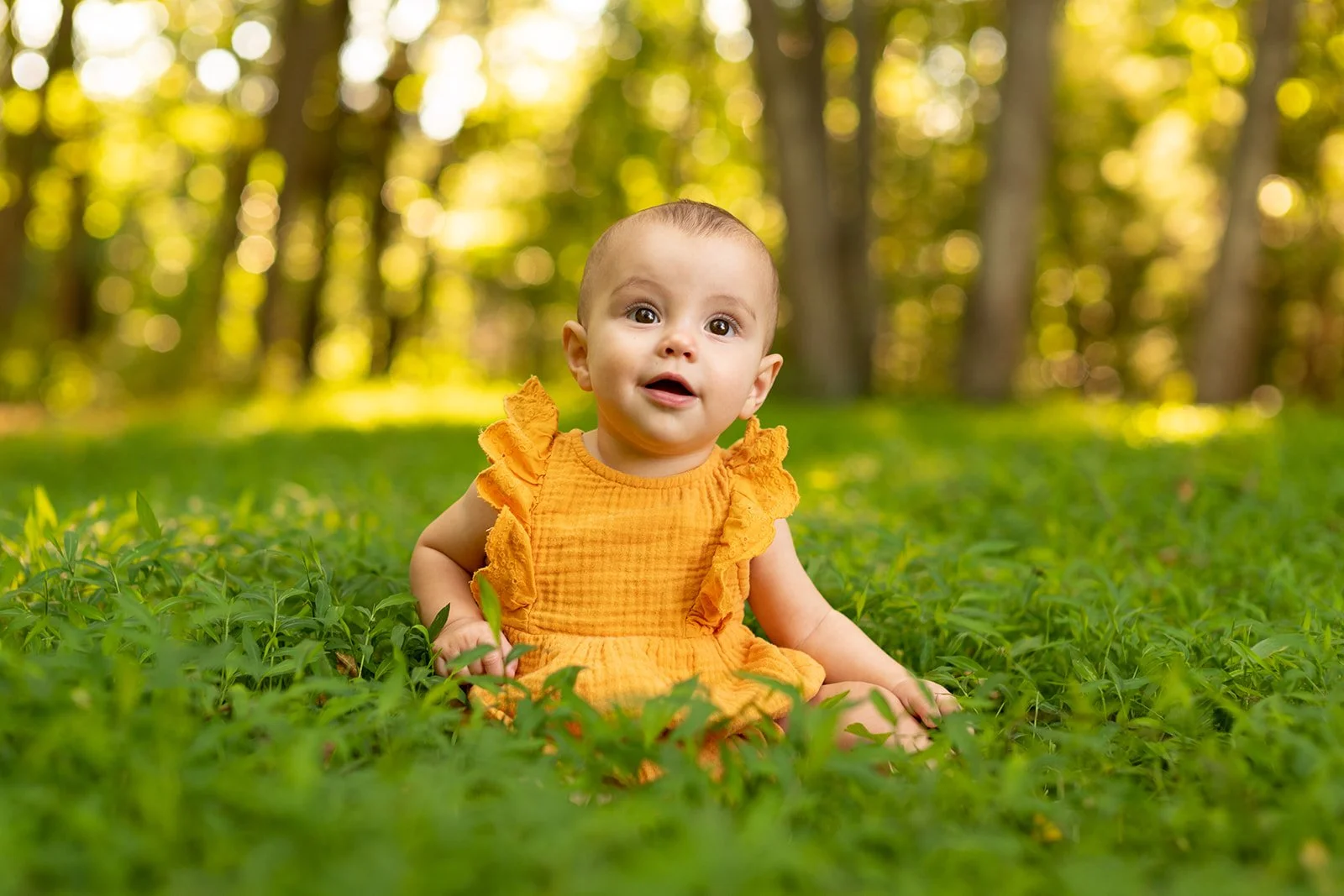
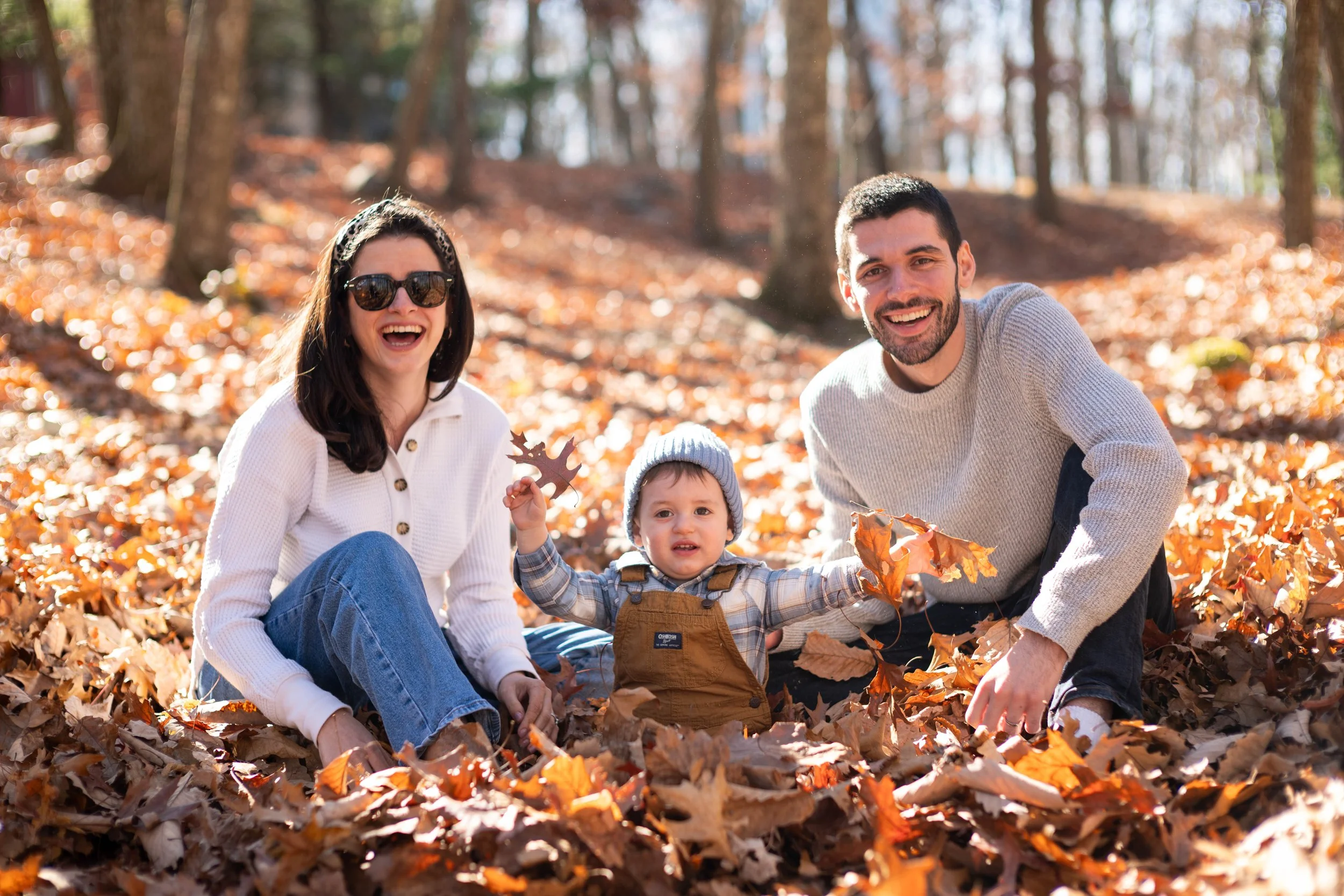
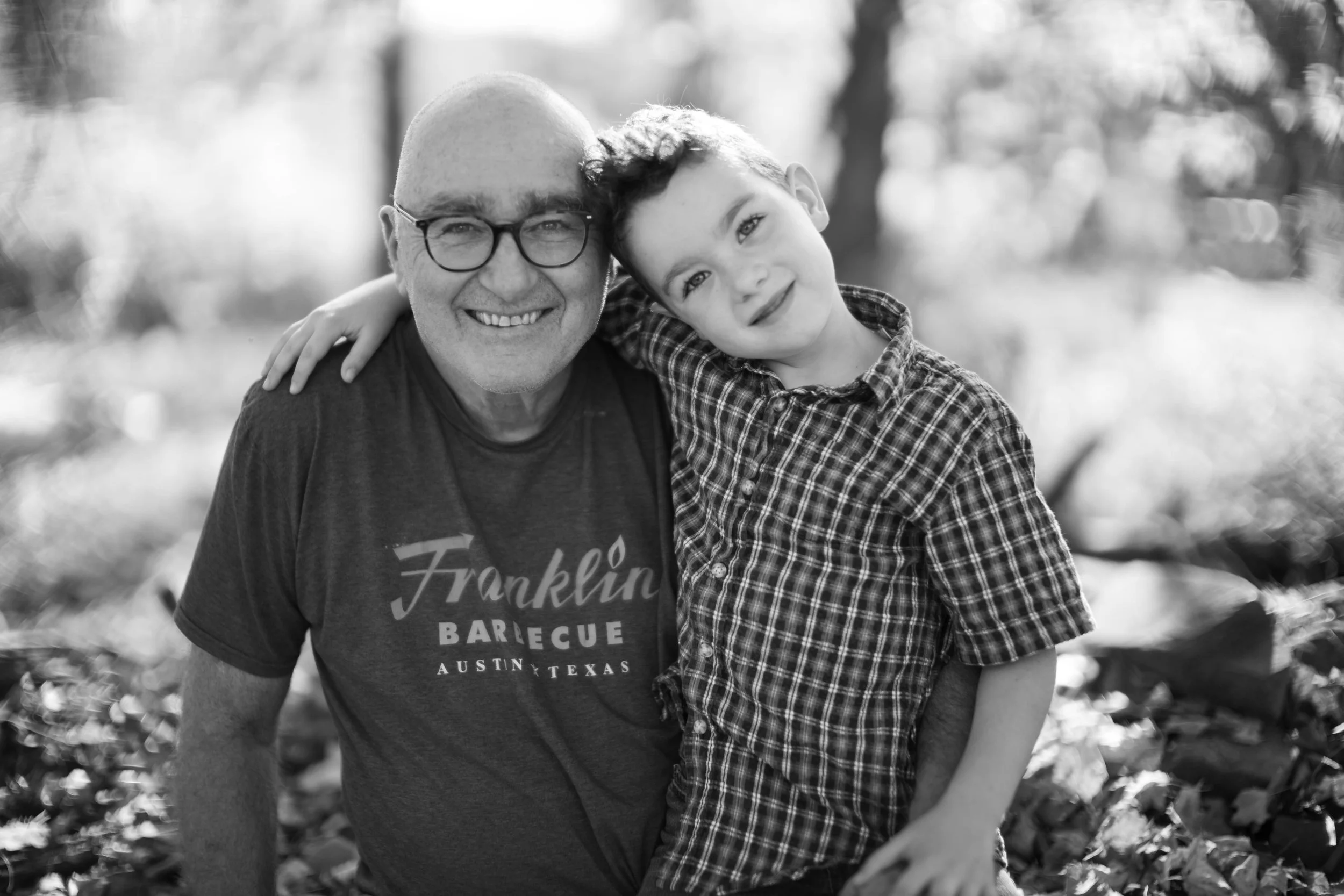
We specialize in weddings, engagements, family portraits, proposals, and meaningful life events. While the photographs are important, we believe the experience matters just as much. Our goal is to provide a calm, organized, and personal experience while creating images that feel timeless rather than tied to a passing trend.
Today, I run the studio with my wife, Kristen, who brings her background in graphic design to our editing and album design. We are proud to have built a business around creativity, relationships, and serving people well.
What sets us apart is the combination of artistic perspective and professional experience. We approach every wedding and portrait session with the mindset of preserving real moments and emotions while also creating photographs that are carefully crafted and beautiful.
What does success mean to you?
I define success less by external measures and more by the kind of life I am able to build through my work.
Of course, having a sustainable business and being able to support myself through photography is important, but the things I value most are the relationships that come from it. Success is having clients who trust me with some of the most meaningful moments of their lives, creating work that I am genuinely proud of, and knowing that the experience I provide is as valuable as the photographs themselves.
For me, success also means finding a sense of peace. Not a lack of ambition, but the ability to appreciate where I am while continuing to grow. It means having time to reflect, to be present with the people I love, and to feel that my work is connected to the life I actually want to live.
Photography has allowed me to build a life that feels authentic: returning to the area I love, working creatively, and building a business alongside my wife. Being able to spend my days doing meaningful work with someone I love, while continuing to learn and improve, is something I never take for granted.
Ultimately, success is creating something lasting: photographs that families will treasure, relationships that continue beyond the event itself, and a life that feels intentional rather than simply busy.
Pricing:
- Wedding photography collections typically begin around $4,000, with most couples investing between $4,750 to $6,000 depending on coverage and options.
- Portrait commissions typically range from $500 to $750 depending on the type of session, group size, and individual needs.
- Engagement sessions are available separately or can be included with wedding collections.
- Custom photography is available for proposals, events, and commercial projects.
Contact Info:
- Website: https://www.zakzavda.com
- Instagram: https://instagram.com/zakzavada