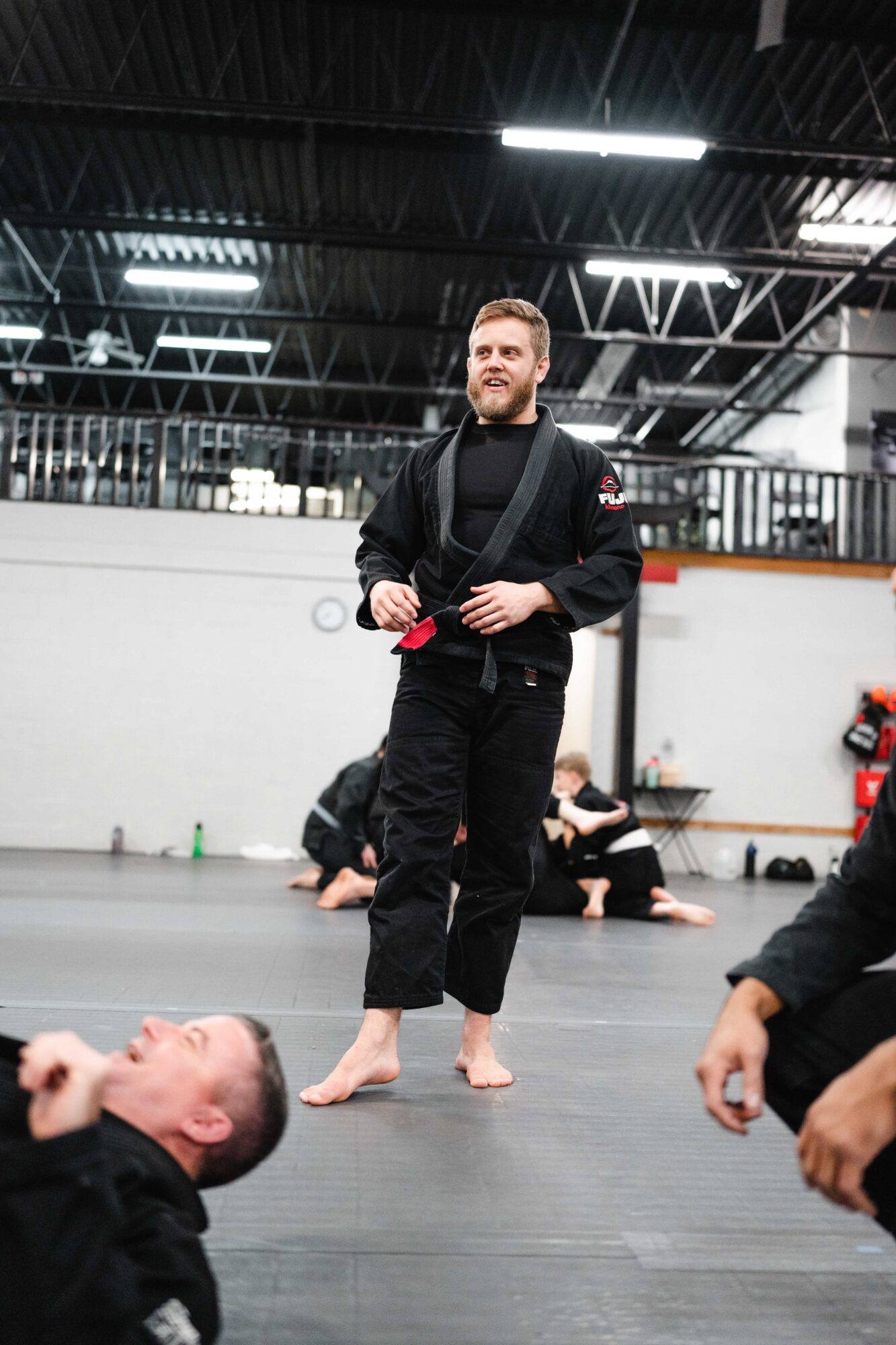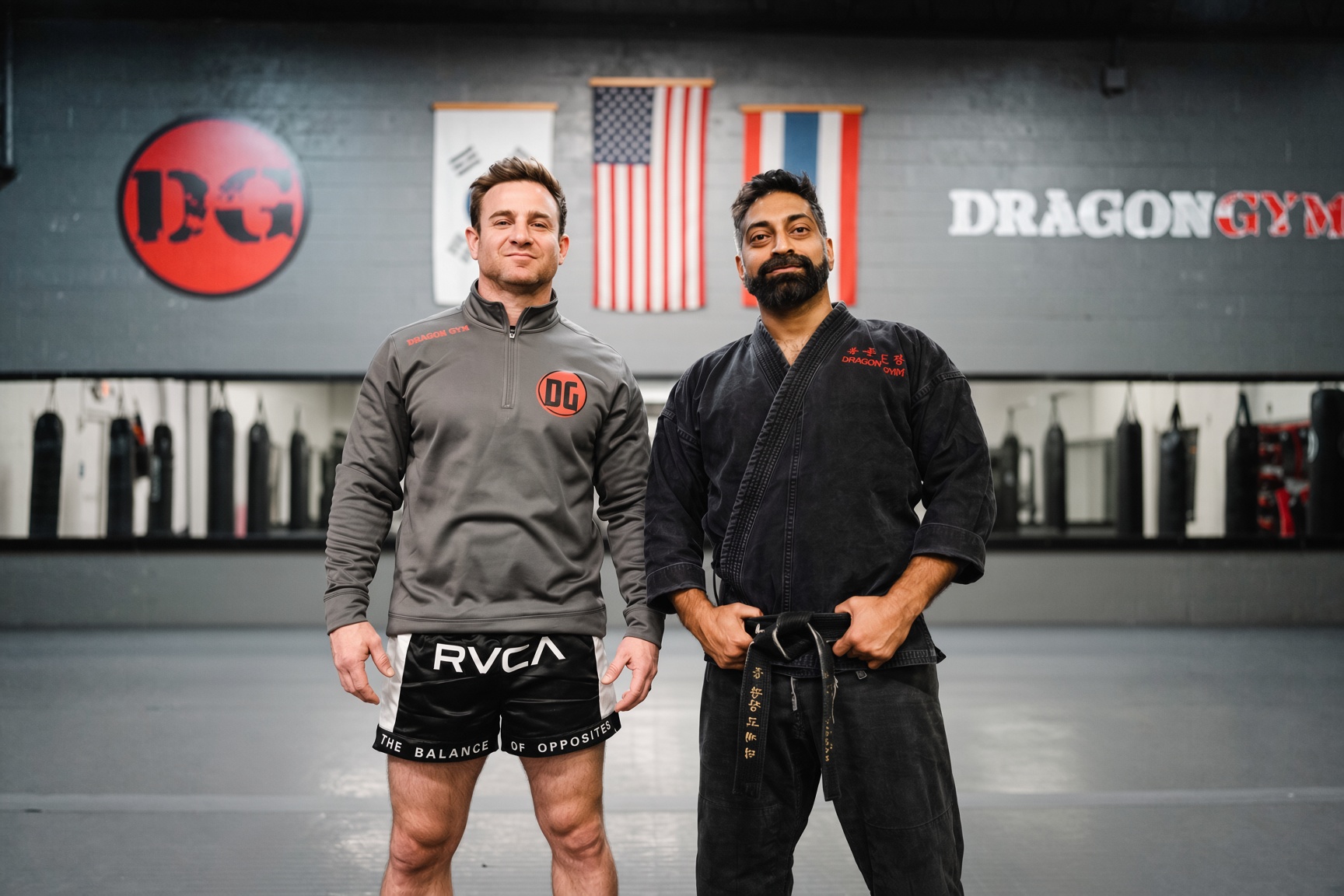



Today we’d like to introduce you to Somnath Sikdar.
Hi Somnath, so excited to have you on the platform. So before we get into questions about your work-life, maybe you can bring our readers up to speed on your story and how you got to where you are today?
I grew up in Dragon Gym.
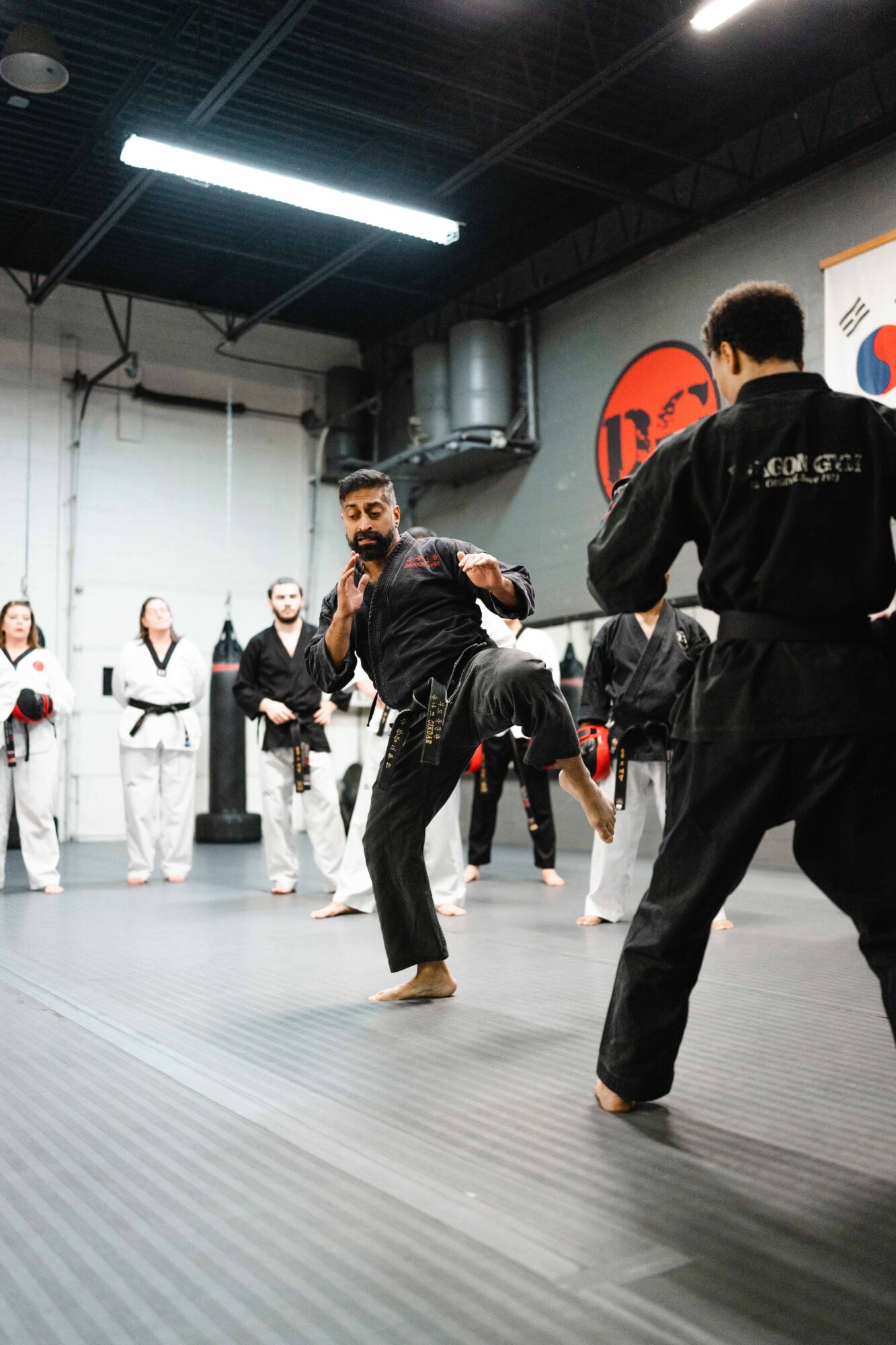
Dragon Gym was founded in 1973 by Grandmaster Chae T. Goh, and I started training there as a kid. At the time, I obviously wasn’t thinking about entrepreneurship, leadership, company culture, or building a business. I was learning martial arts.
Over time, though, martial arts became much more than something I did. The lessons started shaping how I approached almost everything: discipline, consistency, perseverance, confidence, and the ability to stay focused when things get uncomfortable.
Eventually, I went from being a student to an instructor, and from an instructor to taking on more responsibility within the organization. At some point along the way, I also realized that I loved the business side of Dragon Gym. My best friend, Lonnie Beck, and I had the privilege of purchasing the Dragon Gym from Grandmaster Goh in 2007.
I became fascinated by a question that I still think about today:
How do you take something that genuinely changes people’s lives and build a great business around it?
That question has driven a lot of my career.
As I became more involved in running Dragon Gym, I started looking beyond simply teaching great martial arts classes. I wanted to understand marketing, sales, operations, leadership, finance, team development, systems, and strategy.
There were plenty of mistakes along the way. Some were expensive. Some were frustrating. Most ended up being valuable.
Over the years, Dragon Gym evolved from a traditional martial arts school into a larger martial arts and fitness organization serving families throughout Chester County and the Main Line, with locations in Exton, Malvern, Berwyn, and Phoenixville.
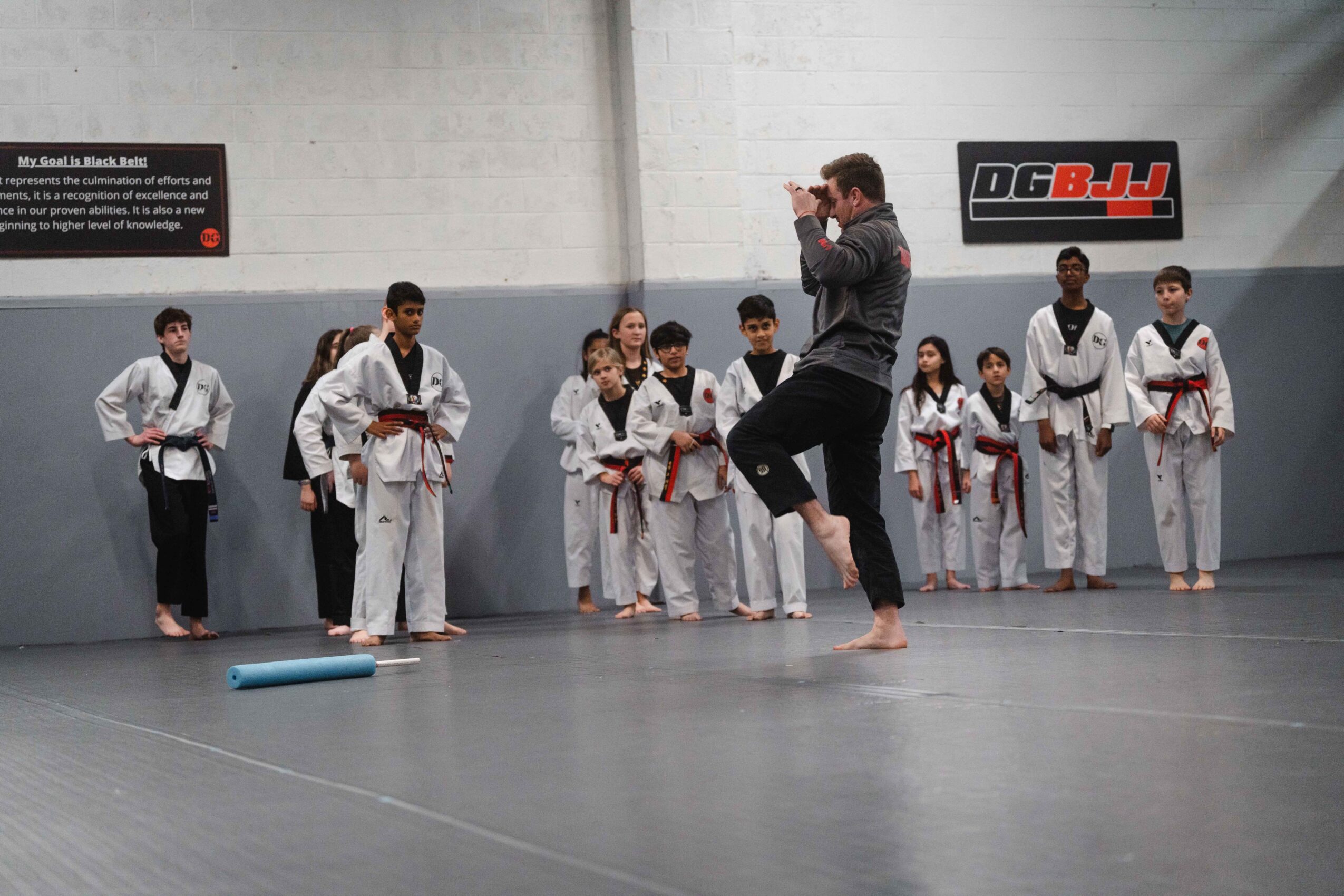
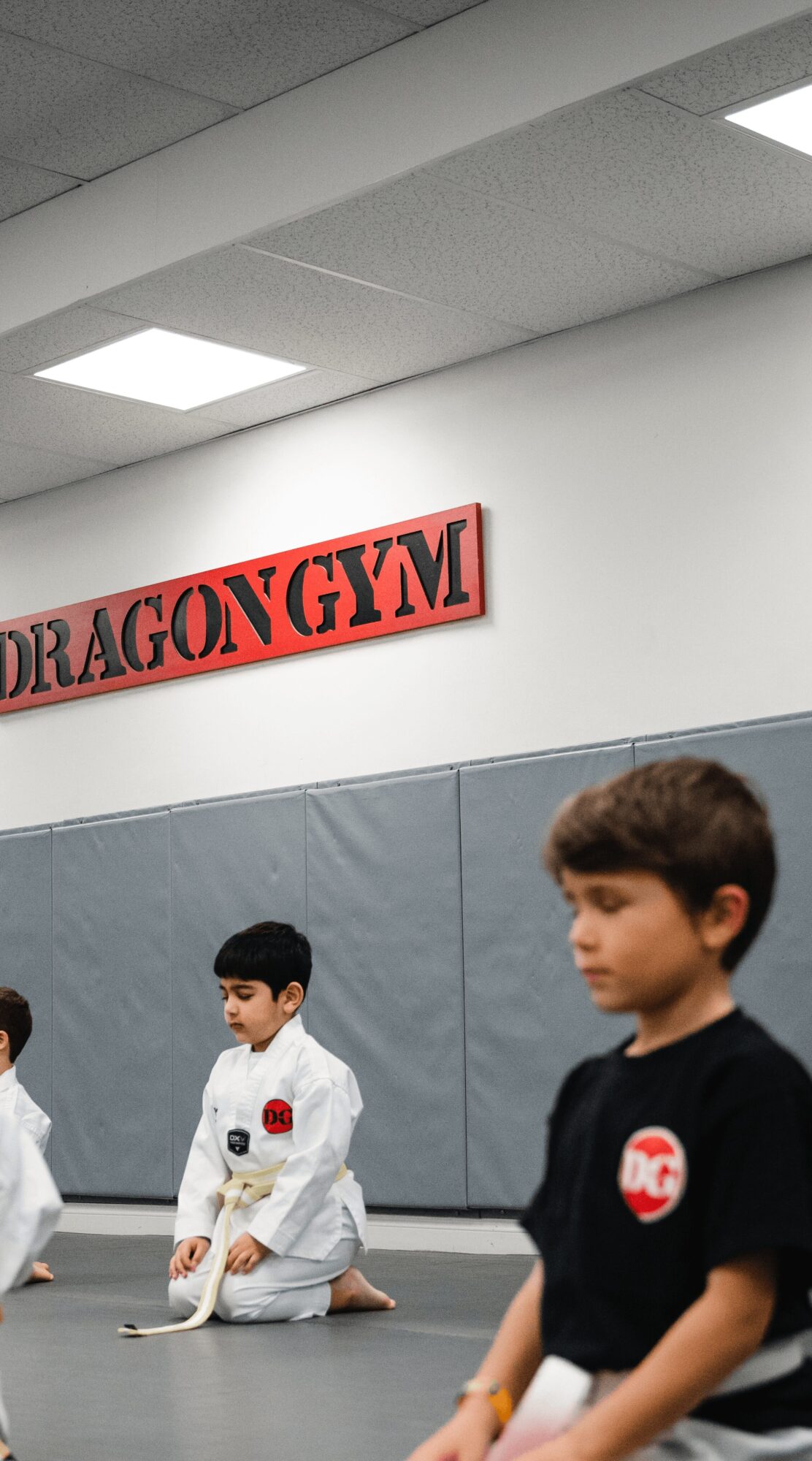
The programs have evolved as well. Today we teach disciplines including Tae Kwon Do, Muay Thai, and Brazilian Jiu Jitsu, along with fitness and strength programs. A huge part of our focus remains children’s martial arts because I’ve seen firsthand what the right martial arts environment can do for a child.
Parents may initially walk through our doors because they want their child to become more confident, get more exercise, improve focus, or learn some self-defense.
The bigger transformation often happens over years.
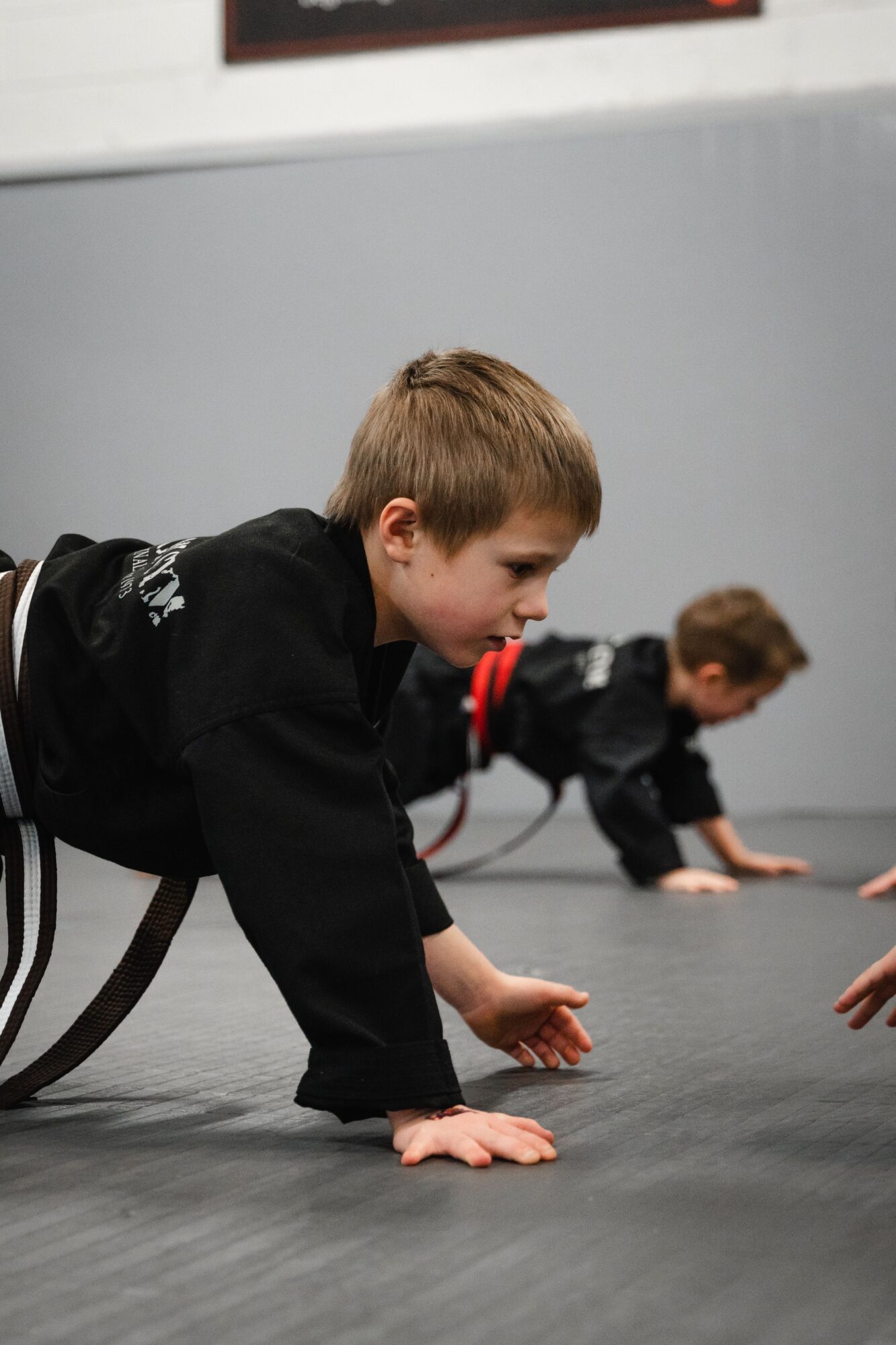
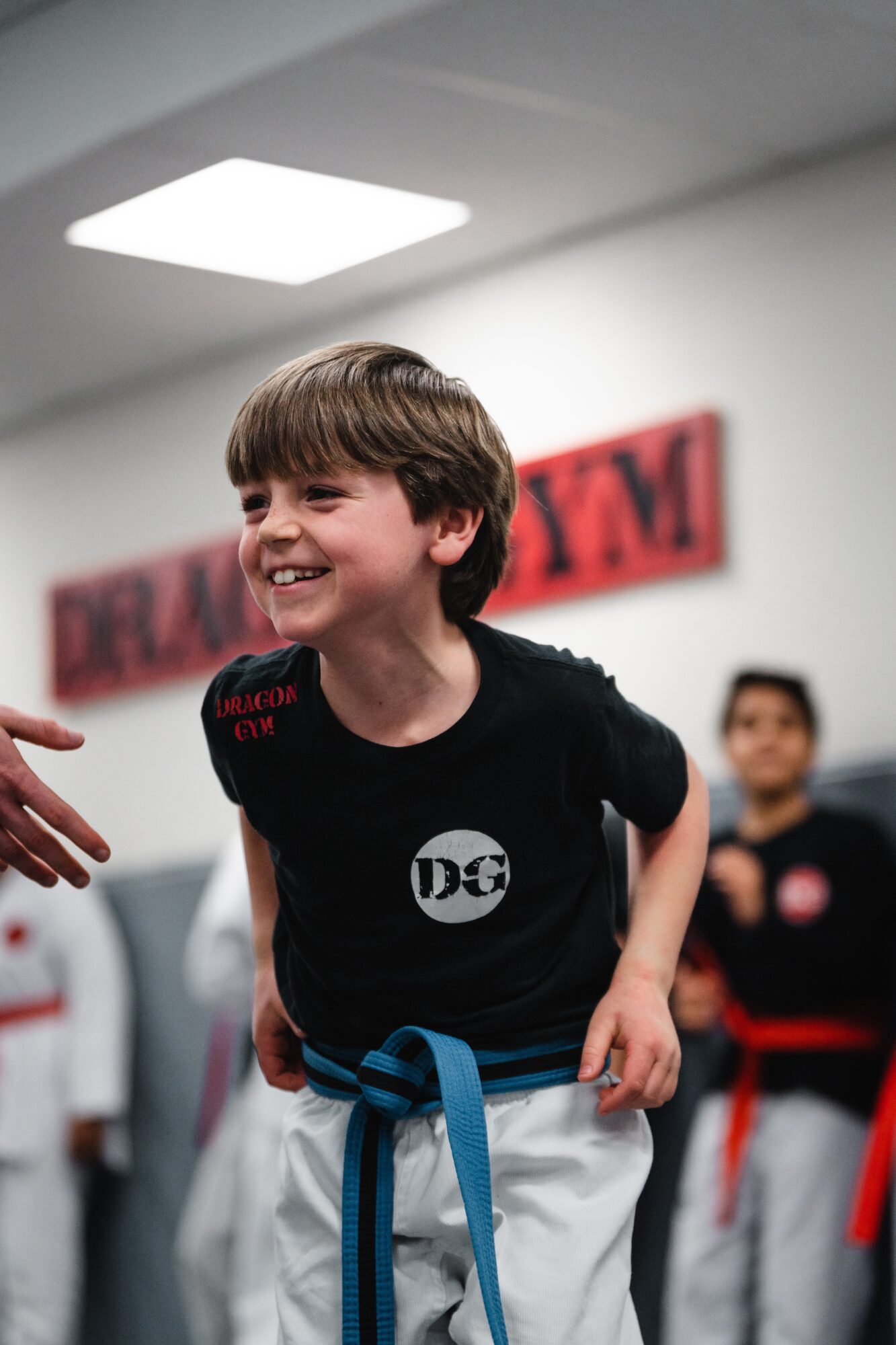
A five-year-old who is nervous about walking onto the mat eventually becomes a confident teenager helping another child through the same experience. I’ve watched that cycle happen thousands of times, and I don’t think I’ll ever get tired of seeing it.
As Dragon Gym grew, my role changed too.
I had to learn that building an organization requires developing people who can lead without me standing next to them. That meant creating better systems, developing instructors, building a strong culture, and becoming much more intentional about how the business operates.
That transition has probably taught me as much as martial arts ever did.
Today, I think of myself as an entrepreneur who happens to have spent most of his life in martial arts.
I still love the martial arts themselves, but I’m equally interested in the principles underneath them. Strategy. Coaching. Leadership. Performance. Culture. Continuous improvement. Building organizations that can outlast the person who started them.
A lot of my work now revolves around applying those ideas to Dragon Gym and sharing what I’ve learned with other business owners.
The destination has changed quite a bit since I first walked into a martial arts school as a kid, but a core idea has stayed remarkably consistent:
Get a little better, keep showing up, and help the people around you do the same.
That’s been a pretty good philosophy for martial arts.
It’s also been a pretty good philosophy for business and life.
Alright, so let’s dig a little deeper into the story – has it been an easy path overall and if not, what were the challenges you’ve had to overcome?
It definitely has not been a smooth road.
Like most entrepreneurs, I’ve had periods where things were going well and periods where it felt like every problem in the business decided to show up at the same time.
One of the biggest challenges has been learning how to evolve from being good at the craft to being good at running the business around the craft.
Those are two very different skill sets.
Teaching martial arts, coaching students, and building relationships came naturally because I had spent so much of my life doing those things. Learning how to manage cash flow, hire and develop people, build systems, market effectively, make difficult personnel decisions, and think strategically required a completely different education.
A lot of that education came through mistakes.
Growth created its own set of challenges. As Dragon Gym expanded to multiple locations, I had to figure out how to maintain the quality and culture that made the original school successful without personally being involved in every class, every conversation, and every decision.
That forced me to confront one of the hardest lessons for any owner-operated business: if everything depends on you, you haven’t really built a business yet.
I had to learn how to delegate, how to trust people, and how to create systems that allowed other leaders to succeed. I also had to become more comfortable with the fact that someone else might do something differently than I would and still get a great result.
There have been financial challenges as well. Running a brick-and-mortar business with employees, leases, equipment, insurance, marketing costs, and all the other expenses that come with operating physical locations creates plenty of pressure. Economic downturns, changing consumer behavior, rising costs, and unexpected disruptions all test the business.
COVID was obviously one of the biggest examples. Martial arts schools are built around people being physically together, so suddenly being told that we couldn’t operate normally forced us to rethink almost everything very quickly.
There have also been plenty of personal challenges.
Entrepreneurship can make it difficult to separate your identity from the business. When something goes wrong, it can feel very personal. I’ve had to work on managing stress, controlling my emotional response to problems, and understanding which things I can actually influence.
That remains a work in progress.
One lesson martial arts reinforced for me is that adversity usually exposes whatever needs improvement.
If the business struggles when you step away, you need better systems. If one employee leaving creates chaos, you need better leadership development. If one bad month creates panic, you probably need a stronger financial foundation.
Problems have a way of revealing weaknesses.
So while I certainly wouldn’t choose every difficult experience again, many of the biggest improvements in Dragon Gym came directly from periods when something wasn’t working.
The road has been messy, occasionally painful, and incredibly educational.
I’ve learned to view business much like martial arts training. You get tested. Sometimes you lose. Sometimes the lesson is uncomfortable.
Then you make the adjustment and get back on the mat.
Alright, so let’s switch gears a bit and talk business. What should we know?
Dragon Gym is a martial arts and fitness organization that has been serving families in Chester County and the Main Line for more than 50 years.
At the simplest level, we teach martial arts.
But I think what we really do is help people become more capable versions of themselves.
For kids, that often means building confidence, discipline, focus, resilience, and physical competence. For adults, it may mean getting in better shape, learning a new skill, reducing stress, finding a community, or challenging themselves in a way they haven’t in years.
Our programs include Tae Kwon Do, Brazilian Jiu Jitsu, Muay Thai, and fitness and strength training. We operate locations in Exton, Malvern, Berwyn, and Phoenixville, and we work with students ranging from young children to adults who are stepping onto the mat for the first time in their 40s or 50s.
Our children’s program is probably what Dragon Gym is best known for.
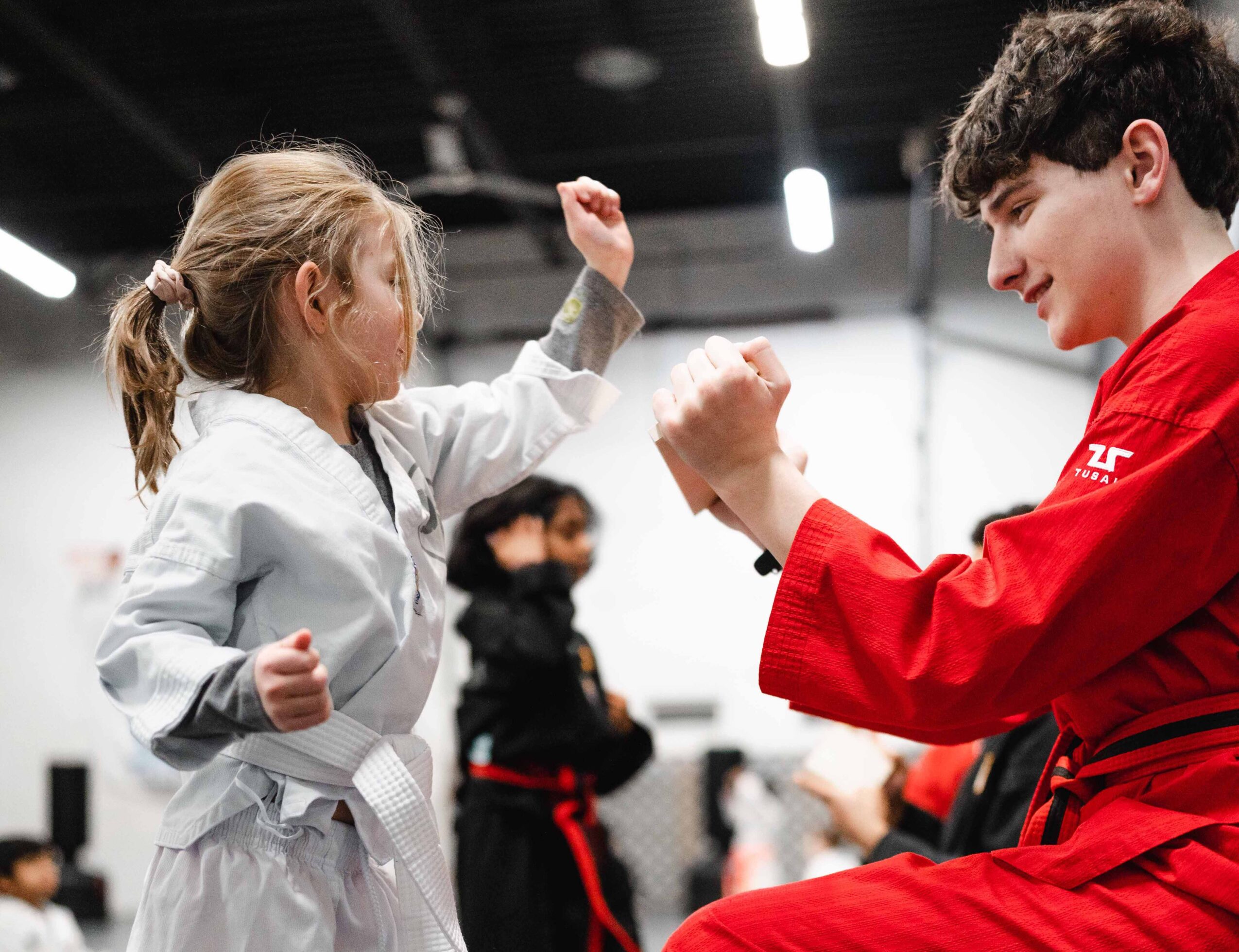
Parents rarely come to us because their biggest dream is for their seven-year-old to throw a perfect roundhouse kick. They come because they want their child to be more confident. They want better focus. They want their child to be active, learn how to handle challenges, make friends, and develop the kind of habits that will help them later in life.
Martial arts happens to be an incredibly effective vehicle for developing those qualities.
One thing that sets Dragon Gym apart is that we are very intentional about that process.
Confidence isn’t something we hope a child accidentally develops after taking enough classes. We design the experience around progressive challenges, measurable achievement, skill development, leadership opportunities, and positive coaching.
A child struggles with something.
They practice it.
Eventually, they can do something that used to feel impossible.
That experience teaches a lesson much bigger than the technique itself: “I can figure difficult things out.”
That belief can follow them into school, sports, relationships, and eventually their careers.
I also think our longevity sets us apart.
Dragon Gym was founded in 1973, and very few martial arts organizations make it through multiple generations of students, instructors, and leadership while continuing to grow and evolve.
I’m particularly proud that we have been able to preserve the traditions and values of martial arts while continuing to modernize the organization.
We take the martial arts seriously. We also take customer experience, leadership development, technology, marketing, staff training, and business systems seriously.
Those things matter because a great martial arts curriculum only creates an impact if you can build an organization capable of delivering it consistently.
Another thing I’m proud of is our team.
Some of the people teaching at Dragon Gym today started here as children. They earned their belts, became assistant instructors, developed into leaders, and eventually began helping the next generation of students.
That is one of the strongest indicators to me that the culture is working.
From a brand perspective, I want Dragon Gym to represent something much bigger than fighting.
I want parents to think of Dragon Gym as a place that helps them raise happy, healthy, successful kids.
I want adults to see us as a place where they can continue growing physically and mentally regardless of age or previous experience.
And I want every student who walks through our doors to feel that improvement is available to them if they are willing to put in the work.
The belts, techniques, classes, and workouts are the visible parts of what we do.
The real product is growth.
That is what I’m most proud of, and that is what I want the Dragon Gym brand to continue representing for the next generation.
What does success mean to you?
My definition of success has changed quite a bit over the years.
Earlier in my career, I probably would have measured success mostly through growth: more students, more locations, more revenue, a bigger business.
I still care about growth, but today I think about success much more broadly.
For me, success is having the freedom and capacity to do meaningful work, spend time with the people I care about, stay physically and mentally strong, and build something that continues to create value beyond my direct involvement.
Business is certainly part of that.
I want Dragon Gym to be financially strong, operationally sound, and capable of growing without requiring me to personally solve every problem. I want our instructors and leaders to have opportunities to build great careers. I want our students and families to feel that Dragon Gym genuinely made their lives better.
I also think success means creating options.
Financial strength gives you options.
A strong team gives you options.
Good health gives you options.
Strong relationships give you options.
The more capable you become in those areas, the more intentional you can be about how you spend your time and where you put your energy.
Legacy has become increasingly important to me as well.
Dragon Gym has already existed for more than five decades. I want to help build an organization that can continue long after my own role changes. If students who started with us as five-year-olds eventually become instructors, leaders, parents, and successful adults who carry some of those lessons into the rest of their lives, that feels like a meaningful measure of success.
On a personal level, I try to think of success less as arriving at a specific destination and more as continuing to improve.
Martial arts teaches you pretty quickly that there is always another level.
Business works the same way. So does parenting, leadership, health, and relationships.
I want to keep getting better while building a life that I actually enjoy living.
If I can do meaningful work, take care of the people who matter to me, maintain the health and freedom to pursue the things I care about, and leave behind organizations and people that are stronger because I was involved, I would consider that a successful life.
Contact Info:
- Website: https://www.dragongym.com
- Instagram: https://www.instagram.com/dragon_gym_hq
- Facebook: https://www.facebook.com/Dragongymexton
- Youtube: https://www.youtube.com/@somnathsikdar