


Today we’d like to introduce you to Earl Metzler.
Hi Earl, so excited to have you with us today. What can you tell us about your story?
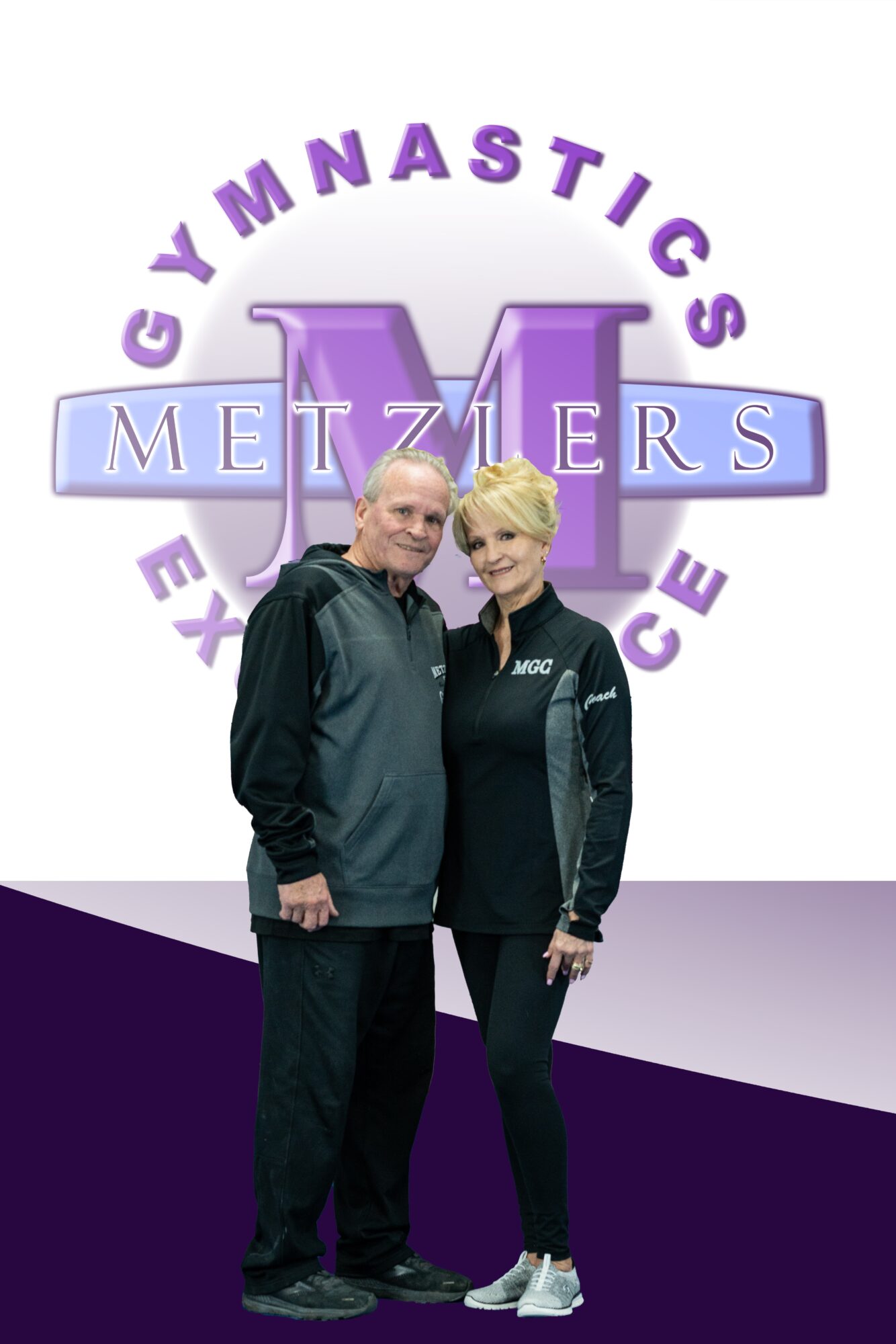
In 1976, after graduating from West Chester State College with a B.S. in Physical Education and Health, I made two of the most important decisions of my life. On July 1, 1976, I opened Metzler’s Gymnastics in Downingtown, Pennsylvania. The second was marrying my wife, Pam, on July 31, 1976.
I had already begun coaching while working my way through college, teaching in local clubs and spending my summers coaching at gymnastics camps, where coaching paid for my room and board. I was fortunate to learn from some of the greatest teaching talents I encountered in college and through my work in local gyms.
Our first gym was M&M Gymnastics in Lyndell, Pennsylvania, located on a farm where Jim Croce once lived. Pam and I were even married there and held our wedding reception in the gym. We started with almost nothing—no money, very little equipment, just a love for the sport and a desire to make a difference. We had already been working with a small group of girls from the Pottstown area.
Our second gym was located on Route 100, where the Post Office now stands. It was a small, two-bay garage that forced us to be creative in preparing our athletes for competition. With limited space and low ceilings, we practiced bar routines almost exclusively on the low bar, transferring those skills to the high bar only during competitions. Route 100 wasn’t nearly as busy as it is today, so we would open the garage doors and, with lookouts watching for traffic, run across Route 100 to another building where we could vault. Every dime we earned went toward purchasing equipment and storing it until we could afford the space we truly needed.
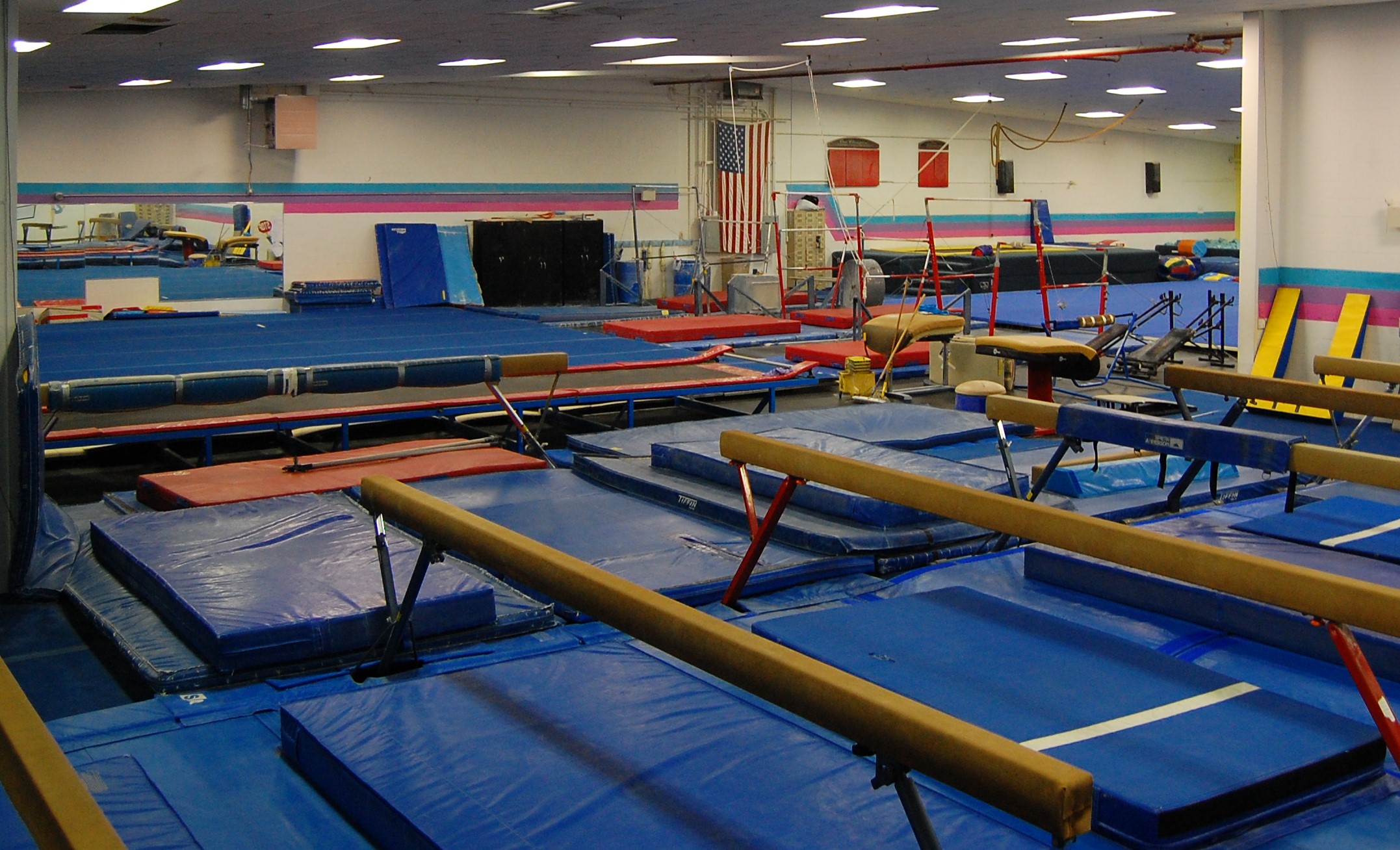
From there, we moved into our first legitimate gym in Downingtown. We rented space from Tabas Enterprises across from the Downingtown Hotel and Golf Resort, where the Wawa now stands. From there, we moved into the Teacott Building on Boot Road before finally settling into our current 18,000-square-foot facility in the JLoew Complex.
As the years passed, Gymnastics continued to grow. In the beginning, it was just Pam and me. I worked full-time at Johnson Matthey in Malvern for 22 years to provide health benefits and financial security for our family, then spent my evenings coaching at the gym. Pam managed all of our daytime programs while raising our three children. To say our lives were hectic would be an understatement. We trained six days a week, year-round. Today, Metzler’s employs between 20 and 25 people.
In the early years, we were one of only a handful of competitive gymnastics teams in Pennsylvania. I wouldn’t say we always felt welcomed. We tried to join the Eastern Pennsylvania Gymnastics League but were told they were full, so we joined a league in western Pennsylvania instead. The downside was the travel—transporting athletes across the state for competitions and still getting home in time to be at work on Monday morning.
Back in the 1970s and 1980s, Pam and I loaded our team girls into our vehicles alongside our own children and were responsible for them all weekend. We also began attending “fly meets,” traveling by air to give our athletes better opportunities to qualify for national competitions. Those efforts paid off. For nearly 25 to 30 consecutive years, we never missed qualifying a gymnast for a National Championship.
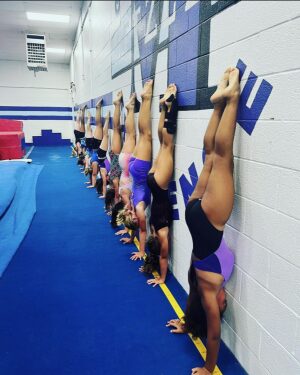
The girls we coached in those early years were Chester County farm girls and military children whose parents believed in hard work and personal responsibility. We didn’t have many of the conveniences we take for granted today—no cell phones, no ATMs, no instant communication. To be honest, though, I don’t think kids have changed all that much. They still respond to the same things they always have: hard work, positive coaching, repetition, conditioning, goal setting, and understanding that failure is simply part of learning. At Metzler’s, we always tried to make sure parents received real value for every hard-earned dollar they spent.
Gymnastics itself has changed dramatically over the past 50 years. When we first started, there were only four competitive levels: Class I, II, III, and Elite. Today there are ten Development Program levels, four Xcel levels, and Elite. The equipment has evolved tremendously, requiring much larger facilities and higher ceilings.
If I could point to one regret, it would be not investing in a commercial building back in the 1970s or 1980s. Even so, we survived multiple recessions and the COVID-19 pandemic, which forced nearly 1,000 gymnastics gyms across the United States to close.
This July marks 50 years since we opened our doors, and I have enough stories to fill a book. What I love most about this profession is that I get to witness extraordinary moments almost every day. A gymnast gets her first kip. Another masters a new skill. A young athlete realizes her potential. Goals are set, pursued, and achieved. For me, it’s like experiencing the “Miracle on Ice” almost every day. Those moments may not make national headlines, but inside our gym they are every bit as meaningful.
There is nothing quite like watching the wonder in a little girl’s eyes as she watches the older gymnasts train, imagining that one day she might follow the same path.
Success is difficult to measure as a coach because we are always looking ahead. I was taught never to dwell on the past once you’ve learned from it. Over the past 50 years, Metzler’s has produced countless state, regional, and national champions, along with several Elite gymnasts. But championships are only part of the story.
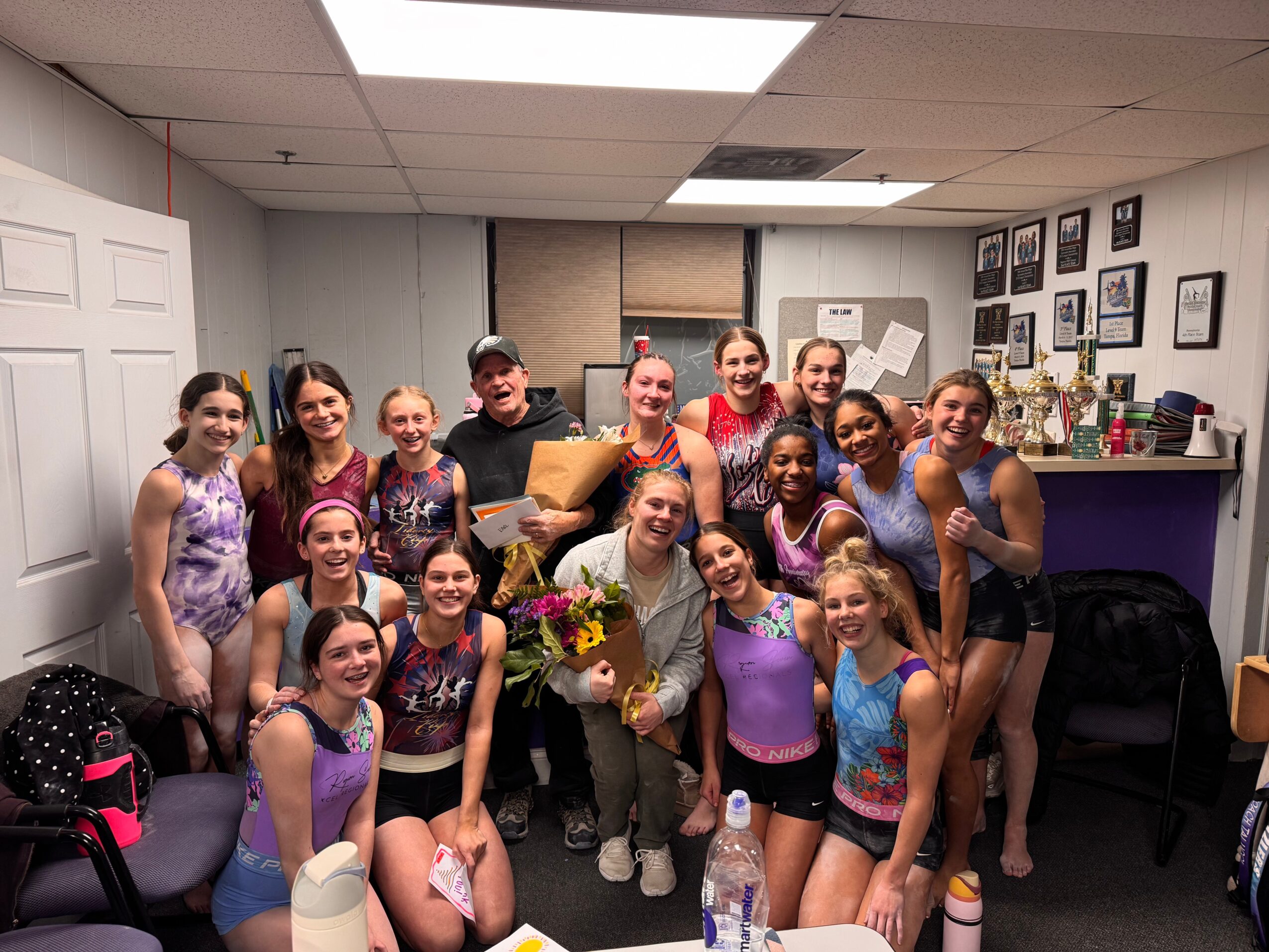
The greatest measure of success is seeing second- and even third-generation families return to Metzler’s. Many members of our coaching staff are former Metzler’s gymnasts or athletes from other successful programs, and today my entire family is involved in coaching. That, more than any trophy or title, tells me we built something that has truly stood the test of time.
Would you say it’s been a smooth road, and if not what are some of the biggest challenges you’ve faced along the way?
Business is not for the weak. Success depends on surrounding yourself with people you can trust. Over the years, I’ve had some outstanding employees and some who weren’t so good—right down to a few I probably should have prosecuted. That’s another chapter for another day.
I knew I was a good gymnastics coach, but I had very little business experience. Because of that, hiring people who could do what I couldn’t was extremely important. My biggest challenge was finding someone who could successfully manage the business side while also being trustworthy with your finances. That included having the right accountant. The IRS is another story altogether. If you’re a small business owner and ever have to deal with that organization, you’ll quickly learn a lot about the people you’ve hired and what you’ve really been paying for.
For me, the training, the travel, the competitions, and everything that happened inside the gym—that was my passion. Coaching what I believe is the hardest sport in the world never felt like work. I loved every part of it. The business side, however, was never my strength. As I’ve always said, know your lane and stay in it.
The hardest financial challenges weren’t coaching—they were audits, taxes, fees, travel expenses, record keeping, payroll, insurance, and all the responsibilities that come with owning a business. In the end, every one of those responsibilities falls on the business owner.
One of the most difficult parts of coaching isn’t losing competitions—it’s losing athletes and I’ve lost some good ones. When a girl decides to leave gymnastics to pursue something else, it can break your heart. You spend five or six years watching her grow, not just as a gymnast but as a young person. Then one day she decides it’s time to move on. You want what’s best for her, and you support her decision, but you can’t replace those years. You begin again with another young athlete and invest another five or six years helping her reach that same level.
Over time, these girls become part of your family. When they leave, our goal is to make sure they know we are there for them if things don’t work out the way they expected.
One thing we have never tolerated at Metzler’s is disrespect toward our coaches. Respect is one of the core values our program was built on. Unfortunately, some athletes don’t fully appreciate that lesson until they’ve learned it the hard way.
As you know, we’re big fans of you and your work. For our readers who might not be as familiar what can you tell them about what you do?
My love for gymnastics has always been my greatest strength as a coach.
Growing up, I played just about every sport. My father, Earl Metzler Jr., was an outstanding football coach, and one of the first things I noticed as a young boy was the respect his players had for him. Dad was tough. He was a World War II veteran who served as a navigator and tail gunner. His generation enlisted young and grew up fast. They learned discipline, responsibility, and accountability at an early age.
My father was tough as nails, but he was also fair. He held everyone accountable, played no favorites, and rewarded the people who worked the hardest. It wasn’t always the most talented athlete who earned his respect—it was the one who played with heart, pushed himself every day, and made his teammates better. That philosophy stayed with me and eventually became the foundation of my own coaching.
I was introduced to gymnastics at General Wayne Junior High when a student named Jude Pennington walked up the school steps on his hands. I remember thinking, “That’s for me.”
In junior high we performed gymnastics shows, not competitions. It wasn’t until I attended Great Valley High School that I was introduced to real competitive gymnastics under Coach Tony Procopeo, a former Penn State National Champion. That was where it all began.
We thought we were pretty good until we competed at the Pennsylvania State High School Championships. The gymnasts from western Pennsylvania had been training year-round in private clubs, and we learned very quickly what year-round training really meant. It was an eye-opening experience and one that changed my perspective forever.
I had opportunities to attend colleges with strong gymnastics programs, but most coaches wanted me to specialize in one event. Milan Trnka at West Chester State College gave me the opportunity to train as an all-around gymnast, and that’s exactly what I wanted. I spent five years at West Chester, earned my degree, redshirted one season because of an injury, and worked toward qualifying for the 1976 Olympic Games.
My favorite event has always been the uneven bars, followed by vault, floor exercise, and beam.
As a coach, what sets me apart is that I will always push an athlete to reach her full potential—not just what she’s comfortable doing, but what she’s truly capable of achieving. Sometimes that means expecting more from someone than they expect from themselves. In that way, I’m a lot like a parent. The people who care about you the most are often the ones who challenge you the hardest because they see what you can become.
What matters most to you?
Heart!!!! No Quit. I heard this once and it has never left me. ” If your not enough without the Gold medal? You’ll Never be enough with it”
I said it earlier running a business is not for the weak. The next phase for me is bring on a few of my ex gymnasts and have them continue the legacy. That process has already started and Alicia Talucci has started the process to become the new owner. As long as the good lord is willing, I’ll be in everyday still doing what I love.
Contact Info:
- Website: https://metzlersgymnastics.com/
- Instagram: @metzlersgym
- Facebook: https://www.facebook.com/metzlersgymnastics/