


Today we’d like to introduce you to Jude Buffum.
Hi Jude, thanks for sharing your story with us. To start, maybe you can tell our readers some of your backstory.
I graduated in 2001 from the Tyler School of Art at Temple University, with a BFA in Graphic Arts and Design. After graduating, I began my career working alongside my former Tyler professor Paul Kepple at his studio Headcase Design, mostly designing award-winning books for Broadway shows like Wicked, Jersey Boys, and Avenue Q, and HBO shows like Deadwood and The Sopranos.
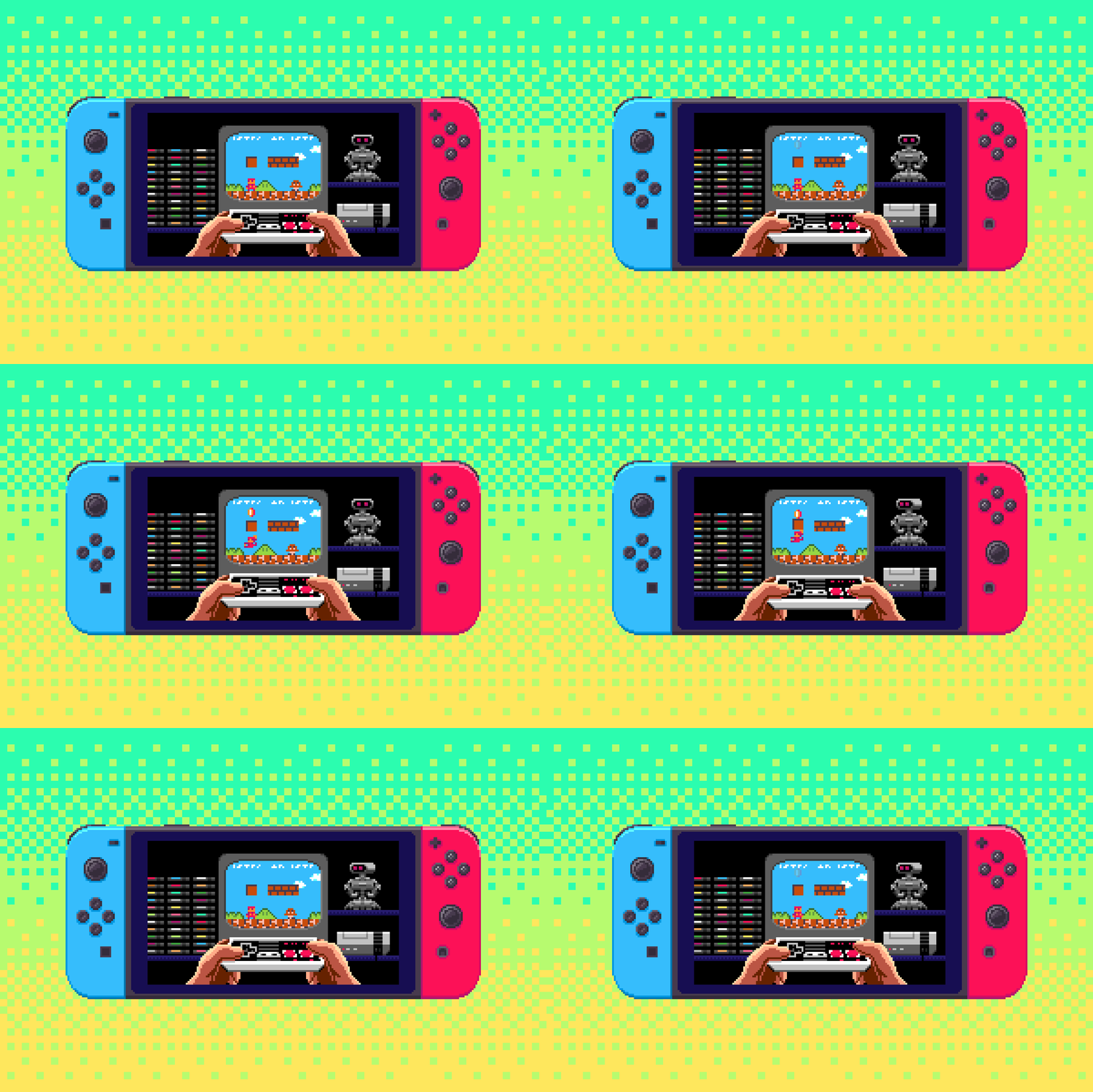
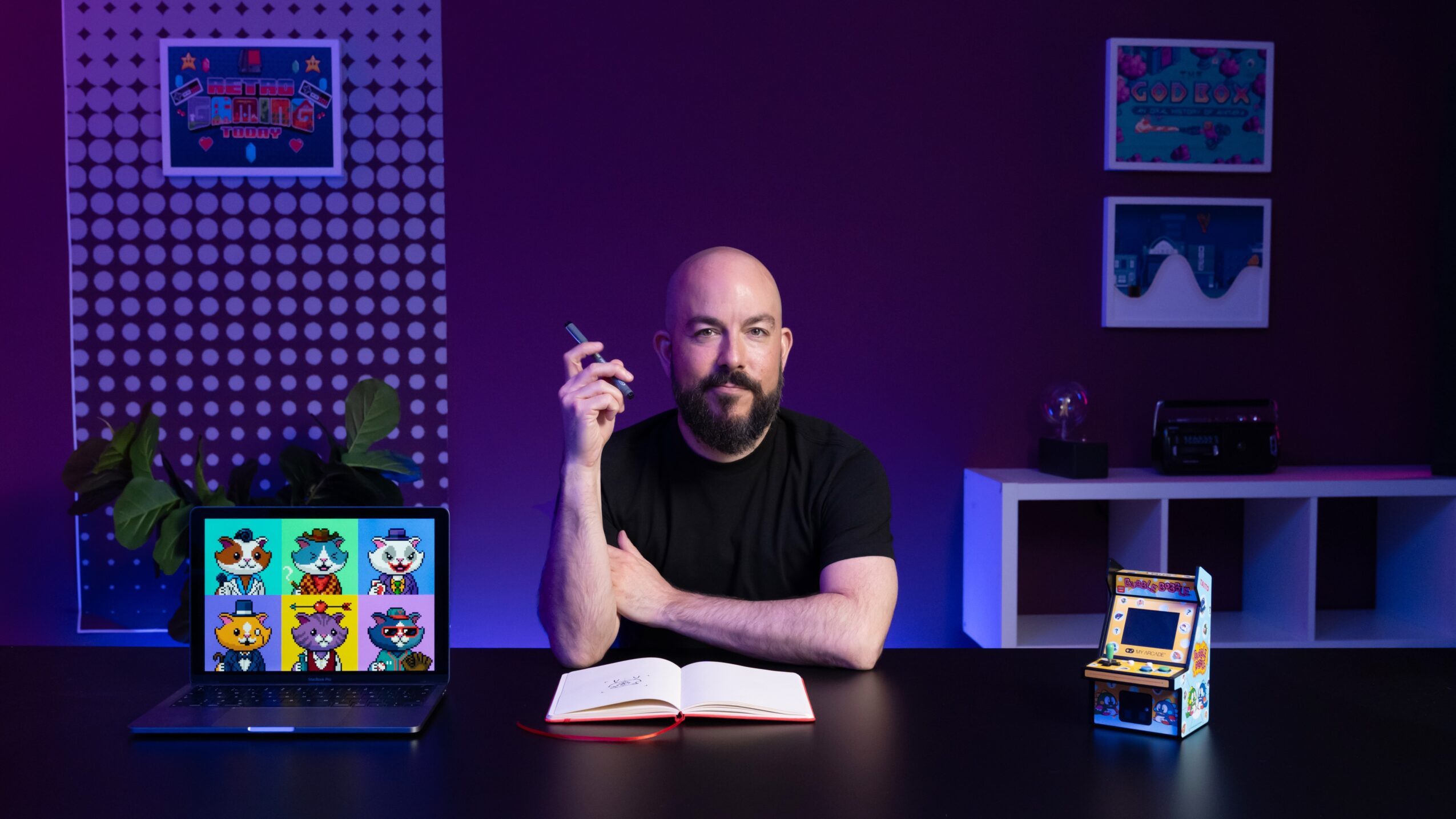
In 2007 I started exploring pixel art as an illustration style. It had largely fallen out of use, but it evoked such strong nostalgia in me that I started making pixel art just for my own home. Pretty quickly I realized clients were interested in the style for things that had nothing to do with video games, so I left Headcase to start my own studio, The Pixel Artist. I was the first artist in the US to use pixel art for commercial work outside the games industry, and it’s been the focus of my practice ever since.
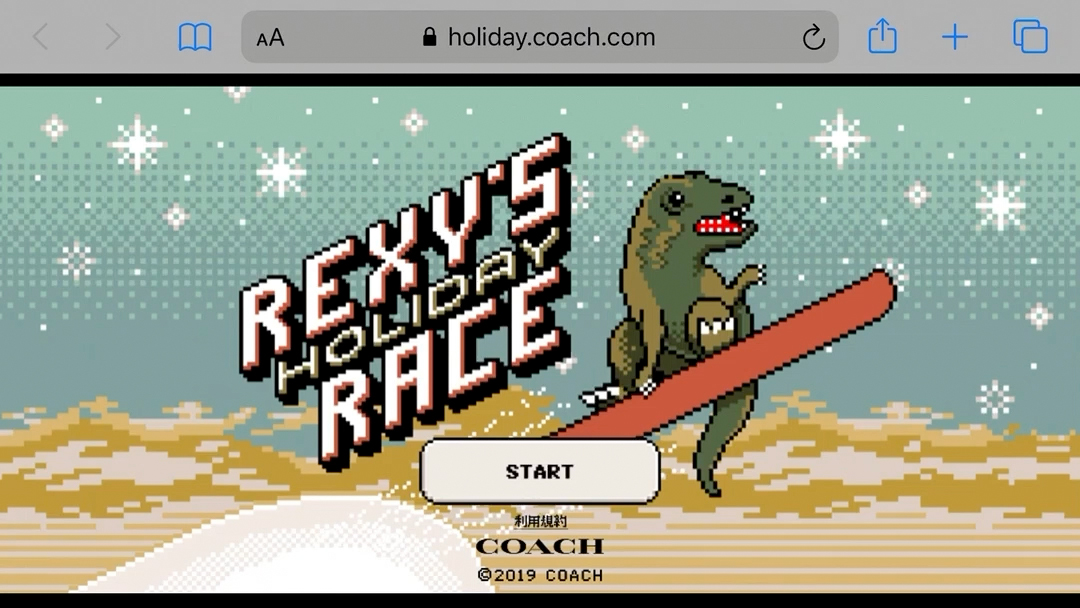
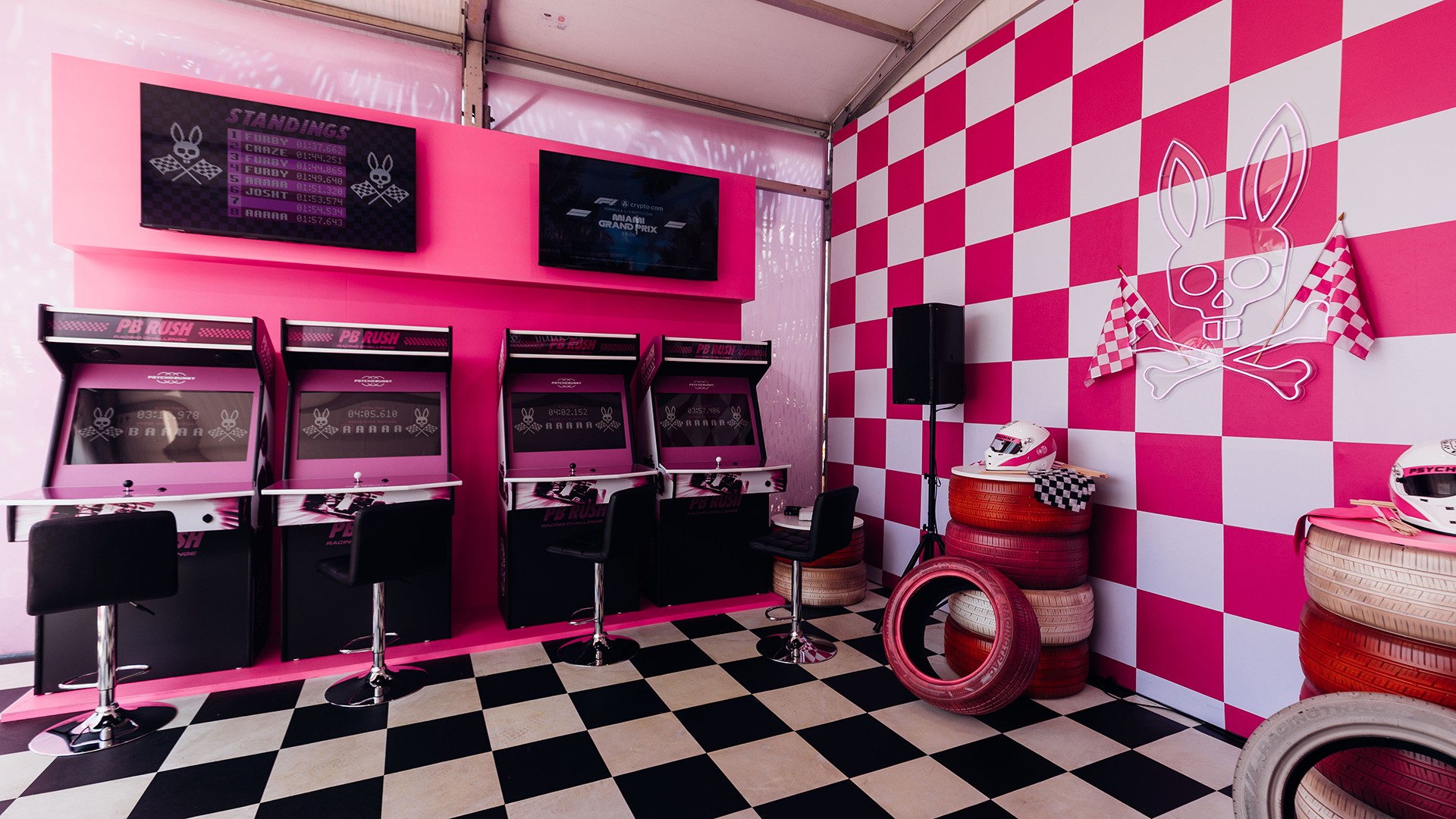
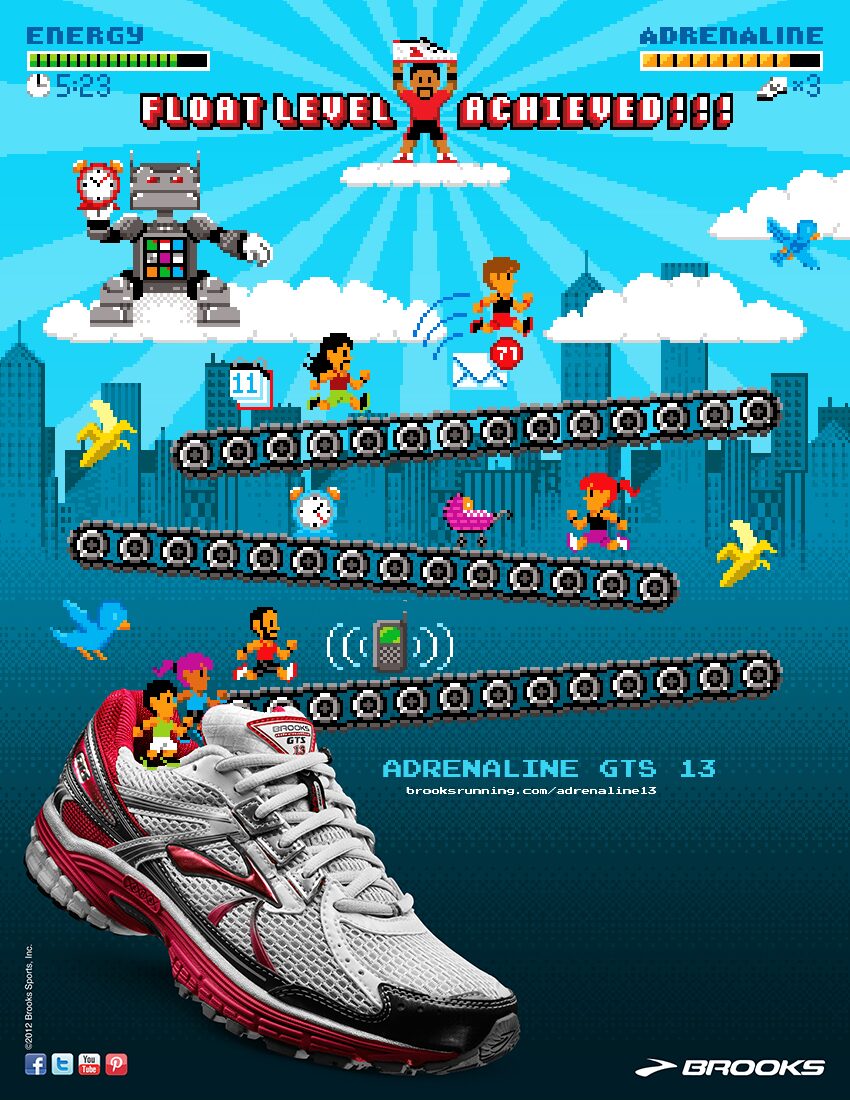
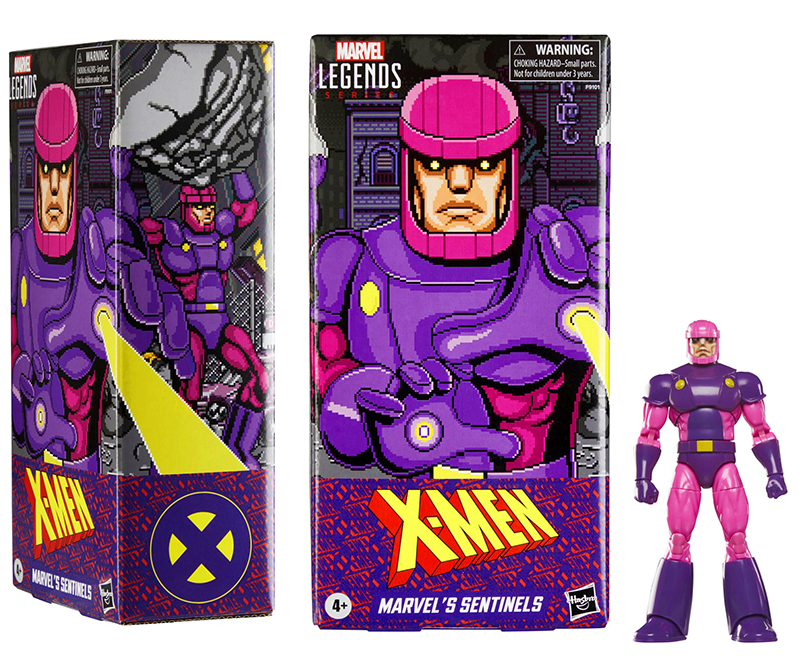
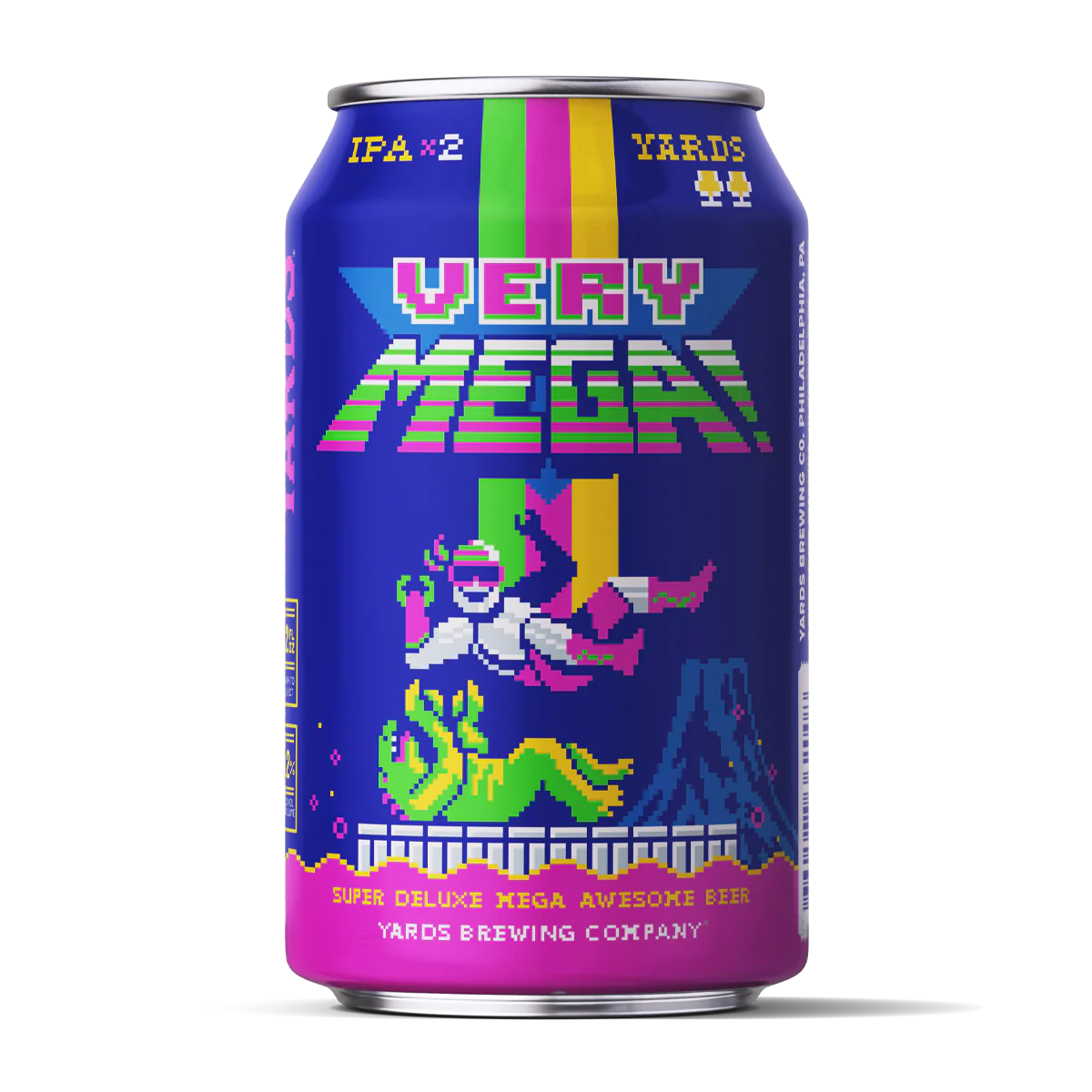
My first clients were editorial outlets: the New York Times, Wired, and Entertainment Weekly. From there I moved into advertising, with work for brands like Brooks Running. Then I started breaking into what I think of as branded gaming, creating custom arcade experiences and interactive pixel art for brands like Taco Bell, Coach, and Adult Swim. That work has continued to evolve and I most recently created a branded pixel art experience for Psycho Bunny at the 2026 F1 Miami Grand Prix. Along the way I’ve also done packaging work, including video game inspired toy packaging for Hasbro and beer packaging for Philadelphia’s own Yards Brewing Co.
Would you say it’s been a smooth road, and if not what are some of the biggest challenges you’ve faced along the way?
Honestly, I’ve been really fortunate. I was doing something no one else was doing at the time, and clients immediately saw the value in it. I’ve also met some genuinely wonderful people over the years, from Philly to LA, who’ve connected me with some of my best projects. A lot of my work comes through relationships, and I’m grateful for that.
That said, it hasn’t always been smooth sailing economically. COVID hit hard. Work dried up fast and there was a period where everything felt pretty uncertain.
More recently there’s been a lot of anxiety in the illustration world about companies using AI-generated images instead of hiring real artists. I share those concerns for the industry broadly. But what I do is technically demanding in a way that AI still struggles with. Pixel art at a professional level requires a very specific kind of craft and intentionality that current tools can’t replicate convincingly, so I’ve mostly been insulated from that particular threat. For now, at least.
Appreciate you sharing that. What else should we know about what you do?
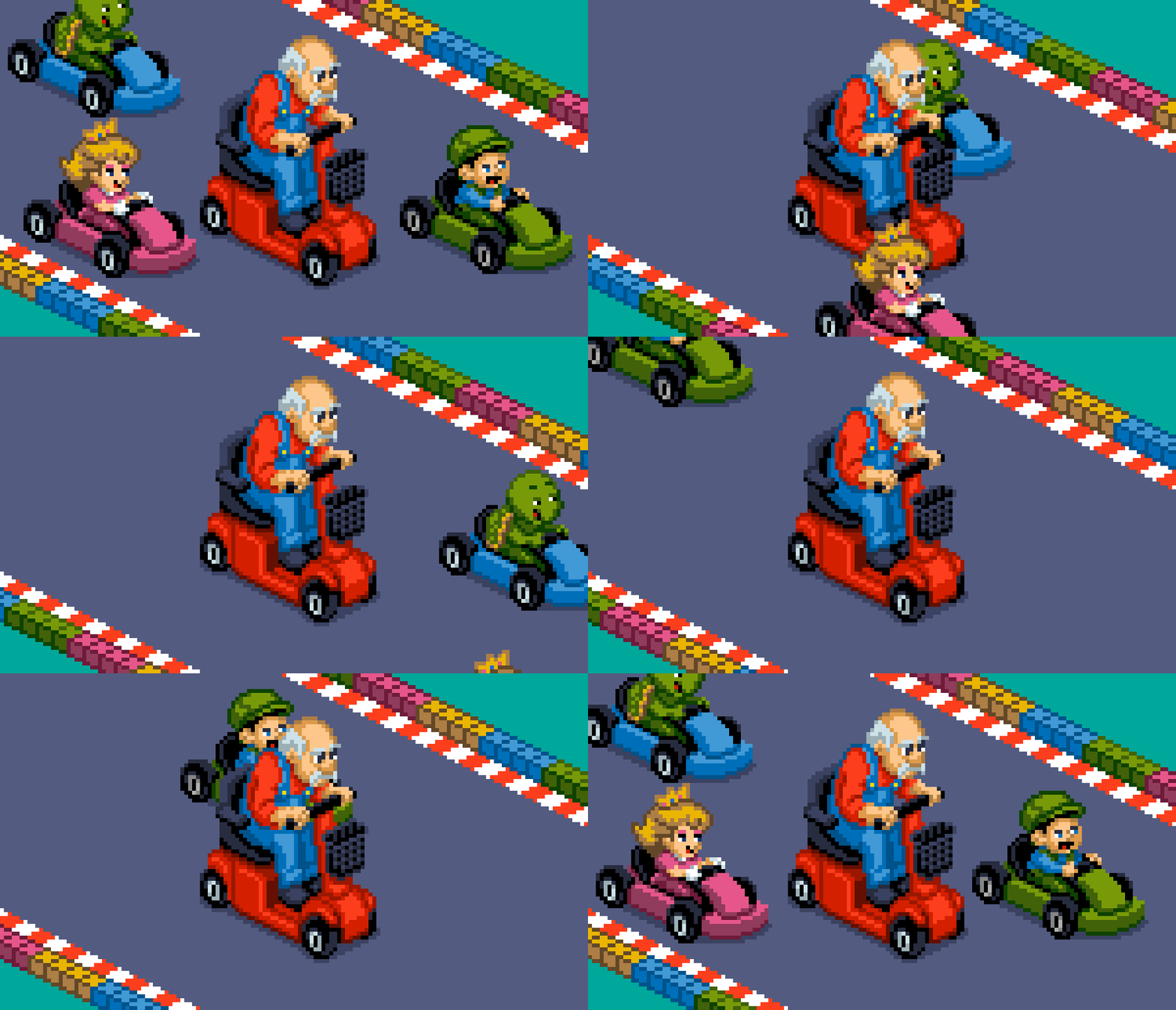
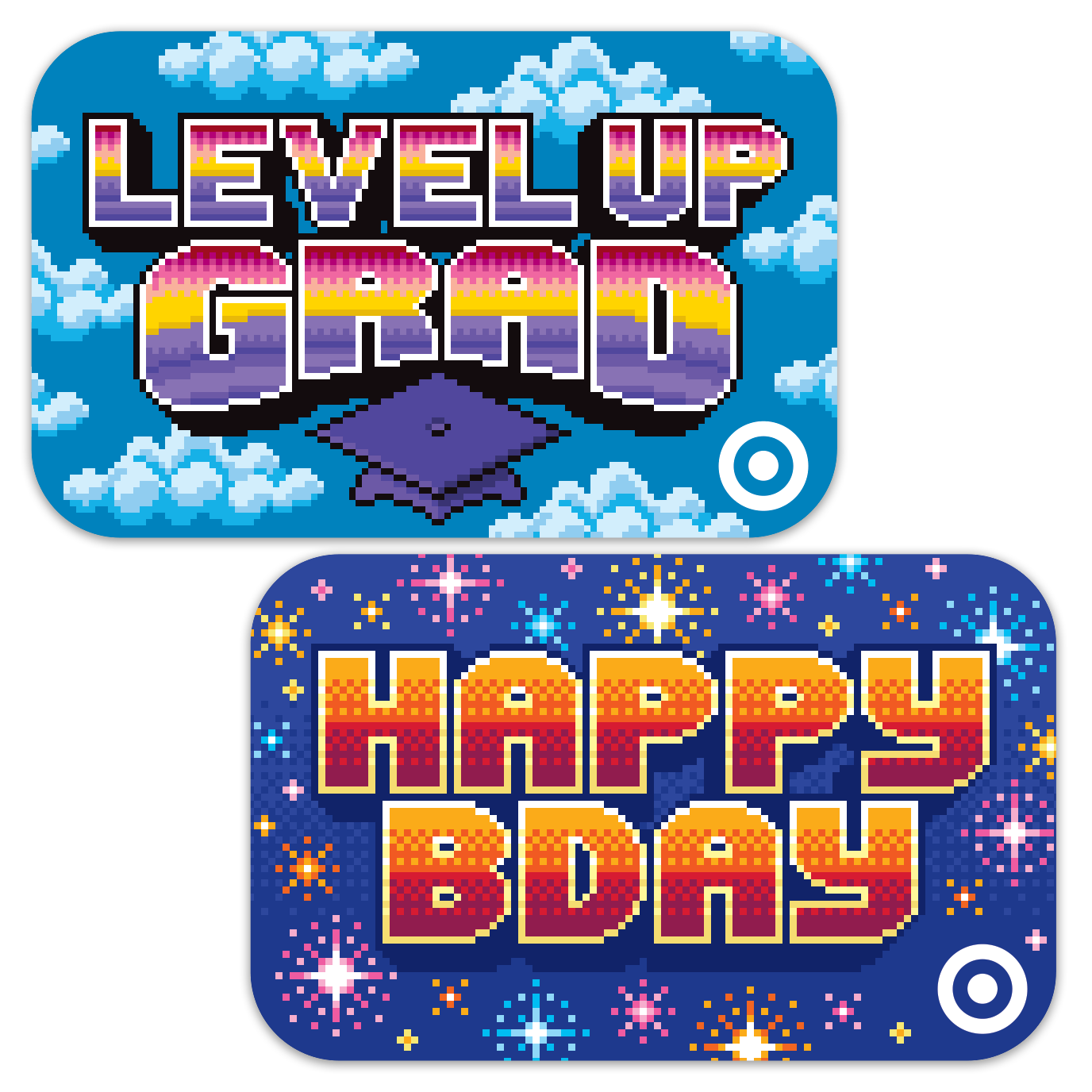
I create pixel art (also known as 8-bit illustration) for brands, publications, and advertising campaigns. The work spans a lot of formats: portraits, animations, packaging, branded games, editorial illustration. If a client needs something that looks like it came out of a late 80s or early 90s video game but feels completely fresh and purposeful, that’s where I come in.
What sets me apart is probably just that I’ve been doing this longer than almost anyone else in the commercial space. I built the category. There was no roadmap for using pixel art in advertising or editorial when I started, so I had to figure out what it could do and how to position it for clients who had never considered it. That experience means I understand not just how to make pixel art, but how to make it work strategically for a brand.
I’m proud of a lot of individual projects, but honestly what I’m most proud of is the body of work as a whole. When I look at 20 years of clients across industries as different as Harvard University and Taco Bell, the New York Times and WWE, there’s a real consistency to it. The style is unmistakably mine, but it’s flexible enough to serve wildly different contexts. That’s hard to pull off and I don’t take it for granted.
The recognition has been meaningful too. Being included in American Illustration almost every year for nearly two decades is something I’m genuinely proud of. It’s a juried show with real standards and it’s meant a lot to be consistently acknowledged by peers in the industry.
We’d love to hear about how you think about risk taking?
Leaving Headcase to start The Pixel Artist was the biggest risk I’ve taken, and it was a real one. I had a good job working with someone I respected, doing work that was getting recognized. There was stability there. Giving that up to go independent, in a style that had no commercial track record, was genuinely scary.
When you leave a day job you’re not just giving up a paycheck. You’re giving up the structure, the colleagues, the sense that someone else is steering the ship. Suddenly everything is on you. Finding clients, managing projects, doing the accounting, handling the slow months. There’s no safety net.
What made it feel less like a leap into the void was that I already had some signal that clients wanted what I was doing. It wasn’t a completely blind bet. But I also knew I was building something that didn’t exist yet, and there was no guarantee it would hold together as a real business.
My general philosophy on risk is that the biggest risk is often not taking one. Staying at Headcase would have been the comfortable choice, but I would have been doing someone else’s work in someone else’s studio for the rest of my career. Going out on my own meant betting on myself, and that bet has paid off in ways I couldn’t have predicted. I’ve worked with clients I never would have reached otherwise, built a practice that’s entirely my own, and created a body of work I’m genuinely proud of.
That said, I don’t think of myself as a reckless risk-taker. The risks I’ve taken have been calculated. I moved when I had enough momentum to make the jump feel reasonable, not impulsive.
Contact Info:
- Website: https://www.the-pixel-artist.com
- Instagram: https://www.instagram.com/judebuffumpixels/
- Facebook: https://www.facebook.com/jude.buffum.illustration
- Twitter: https://x.com/judebuffum
- Other: https://judebuffum.com