


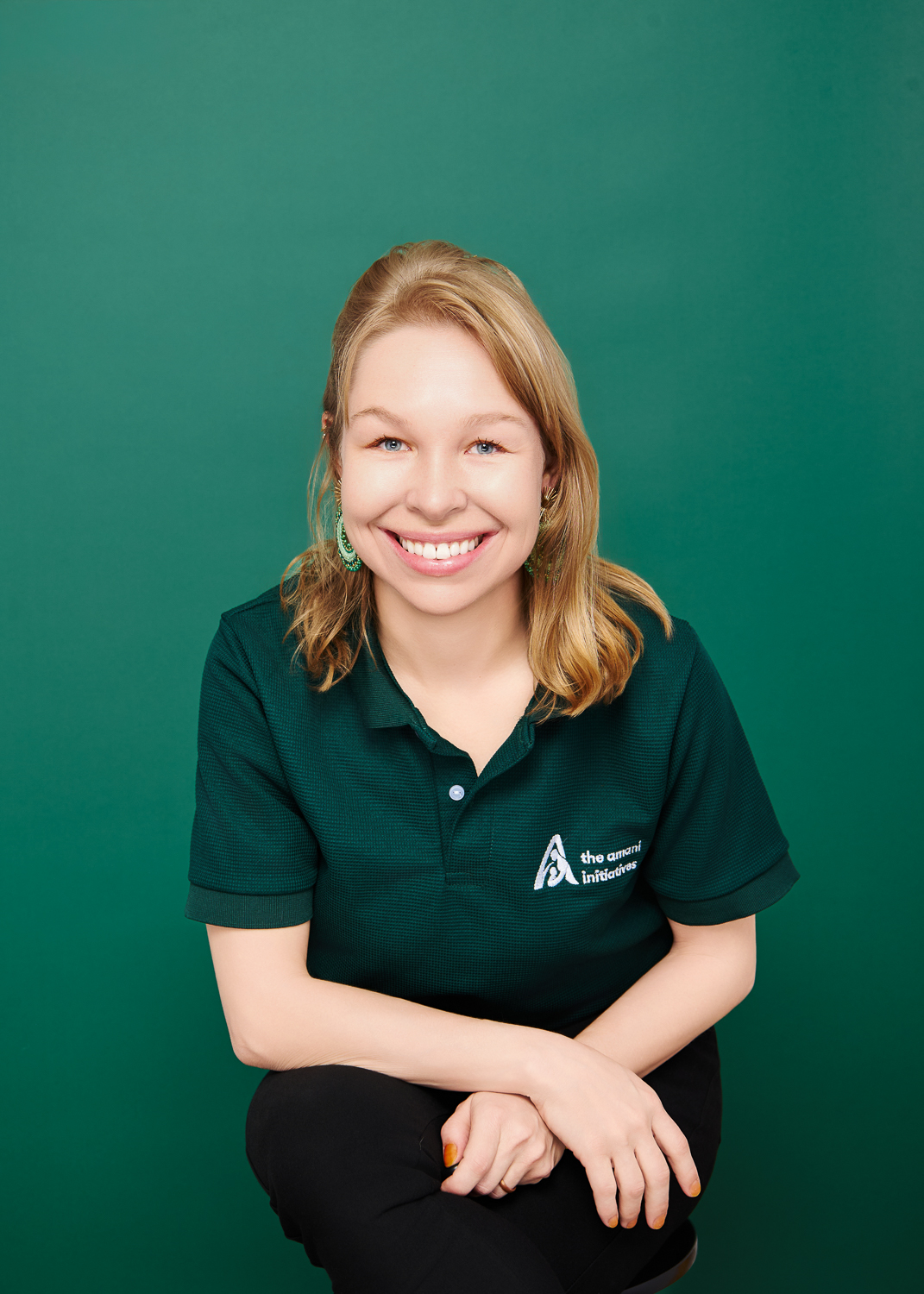
Today we’d like to introduce you to Dr. Katharine Thompson.
Hi Dr. Katharine, we’d love for you to start by introducing yourself.
I grew up on a small farm in rural southeastern Pennsylvania, where I developed an early fascination with how closely the well-being of families (like mine) is tied to the ecosystems around them. Our daily life was shaped by wildlife and natural cycles. Deer wandered through (and frequently devoured) our gardens. Foxes circled the chicken coop at night (which gave me endless anxiety as a child). And the rhythms of rainfall, planting, and harvest determined how the year unfolded. My parents blended agricultural work with advocacy in the conservation sector and practical trades like carpentry, but the farm was always the anchor of our lives, both literally and emotionally. Those early experiences made me curious about how other families survive (and ideally thrive) when their livelihoods depend directly on the natural world. I became fascinated by the ways families make the best decisions they can in these contexts. They blend livelihood strategies, lean on community networks, and stay deeply connected to nature in order to get by.
On that foundation, I somewhat hubristically attempted to start my first nonprofit in fourth grade at age nine. It focused on human and wildlife interactions. While filling out the paperwork and talking on the phone with someone at the registrar’s office for assistance, I quickly learned that someone under eighteen cannot legally start an NGO alone, no matter how enthusiastic. The idea had to wait. But I kept trying.
In high school I saved money for a volunteer trip to East Africa. When my family faced an unexpected income shortfall, I ended up giving those savings back to help at home. The dream had to wait again. In the meantime, I volunteered at the local Peace Valley Nature Center, and my interest in the intersections between biodiversity conservation and community engagement only deepened. Through those years, I was also navigating undiagnosed learning disabilities in math and spelling, which made the hard sciences feel out of reach for a long time. But interdisciplinary fields that connected lived experience, culture, and the natural world made sense to me. Those spaces welcomed the kinds of questions I liked to ask, and they carried me forward. I never felt inadequate or stupid when I was in nature.
As a freshman at Penn State, I double majored in Anthropology and Community, Environment, and Development, and finally received a scholarship to travel to Tanzania. I enrolled in a program through the School for Field Studies to study wildlife management. I loved learning Swahili, interviewing community members about how they saw the landscapes around them, and working alongside Tanzanian scientists, learning from the experts studying wildlife and ecosystems in their own communities. During that program I began volunteering on my days off at a small orphanage near Lake Manyara National Park called Amani. I was deeply inspired by the children there and by the surrounding communities living alongside the park. Many families depended on wild plants and animals to supplement their livelihoods. Others relied on agricultural systems that were increasingly vulnerable to ecological change. What began as a volunteer experience at the children’s home quickly grew into something much larger, and honestly a little overwhelming at times. In 2012, the staff first asked if I could help build them a website. Then they asked if I might help with fundraising. I felt I was unqualified for both tasks, so I set about learning how to meet the request responsibly. I sought out mentors at my university, studied how other nonprofits operated, and spent many late nights teaching myself the basics of fundraising, communications, and organizational management. I went on to attend nonprofit conferences and trainings, thanks to the support of donors and mentors who believed in me.
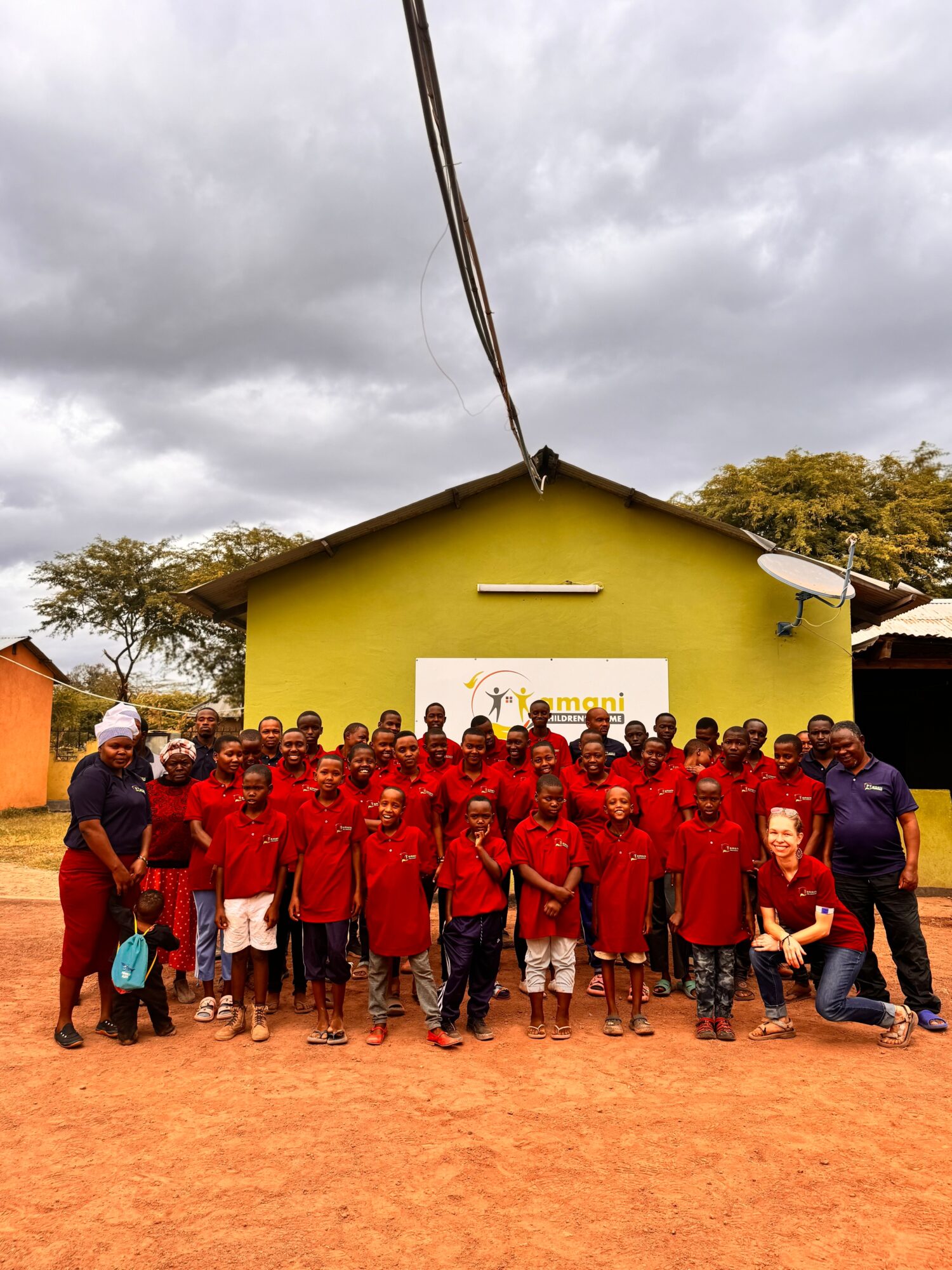
In 2015, at the age of twenty-two, I founded the Amani Foundation to support what was then known as the Amani Orphanage, later renamed Amani Children’s Home. Over the next decade our small network of supporters helped raise more than four hundred thousand dollars to expand programs supporting children’s education, health, and their connections to the natural world. At the same time, I continued my academic work and in my twenties completed a master’s and PhD in anthropology. My research focuses on how families interact with nature in vulnerable landscapes and considers those families the best experts to inform the policies that shape both their lives and the future of the biodiversity around them. In my work since then, I study how people turn to wild plants, animals, and informal economies in places like Madagascar, Nigeria, and Tanzania to provide for their families. Often these choices happen under enormous pressure. Climate stress, economic hardship, and limited access to services can force families into very difficult decisions about survival. Much of my work has simply been the privilege of listening and learning from those experiences.
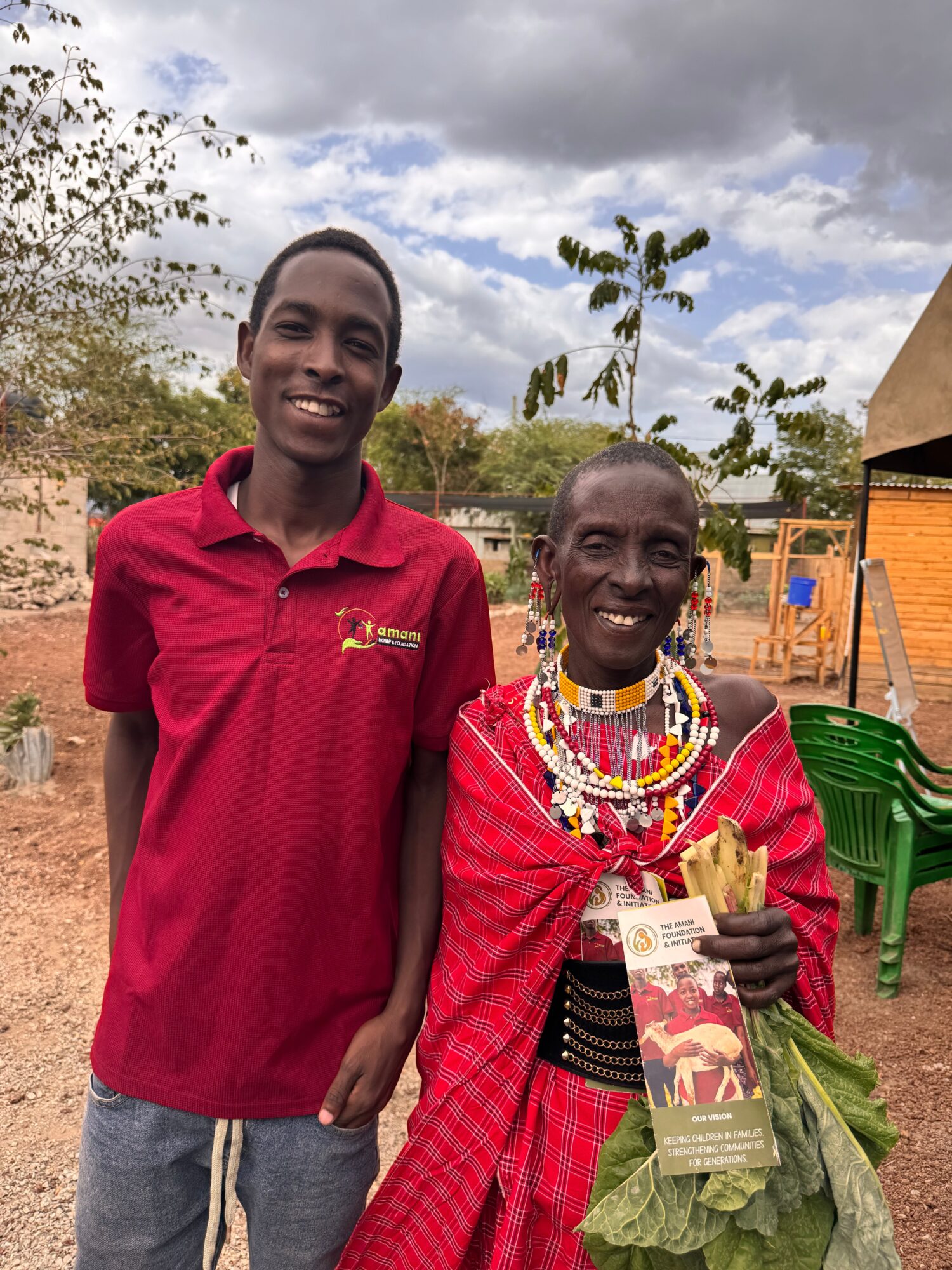
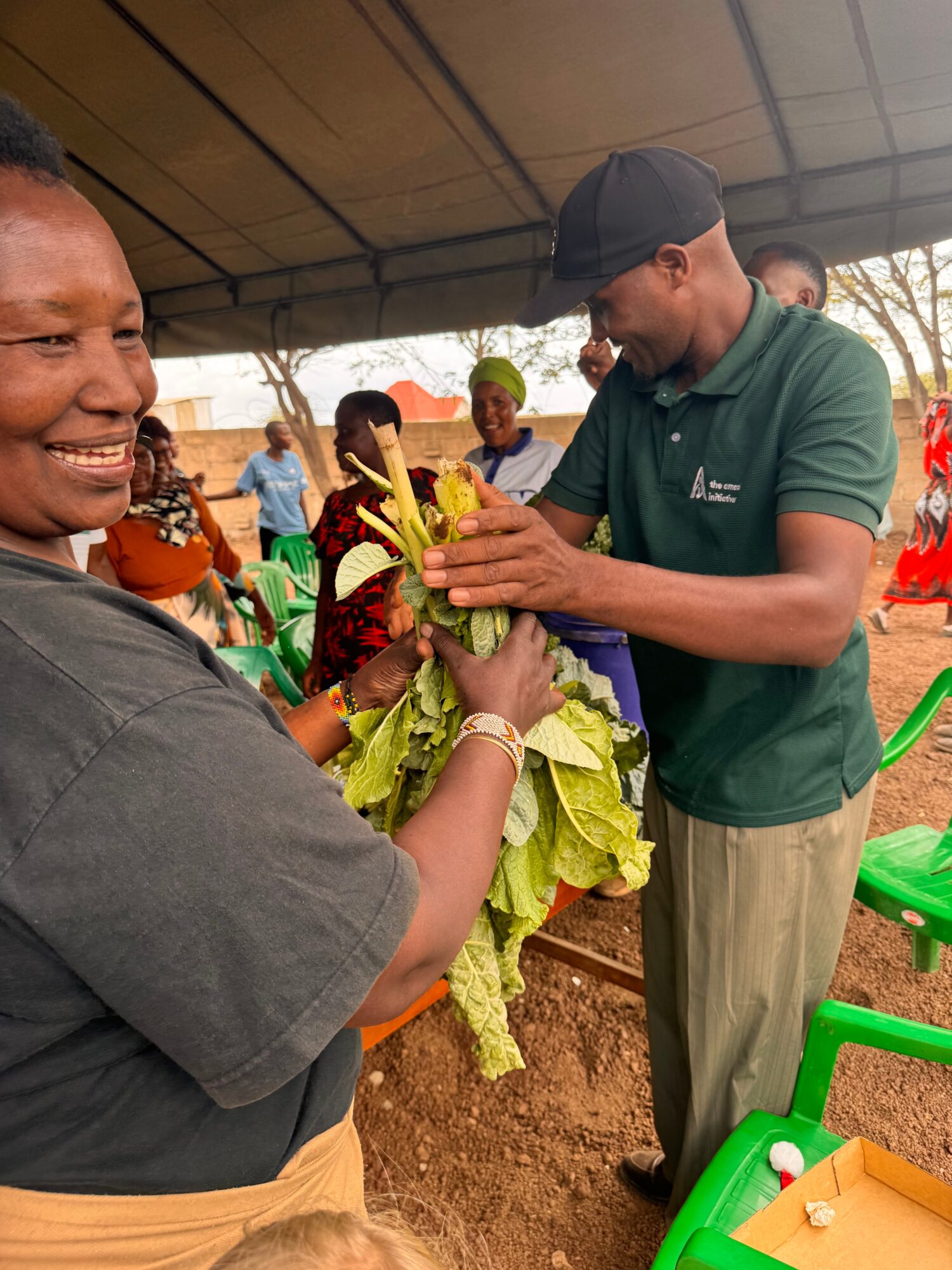
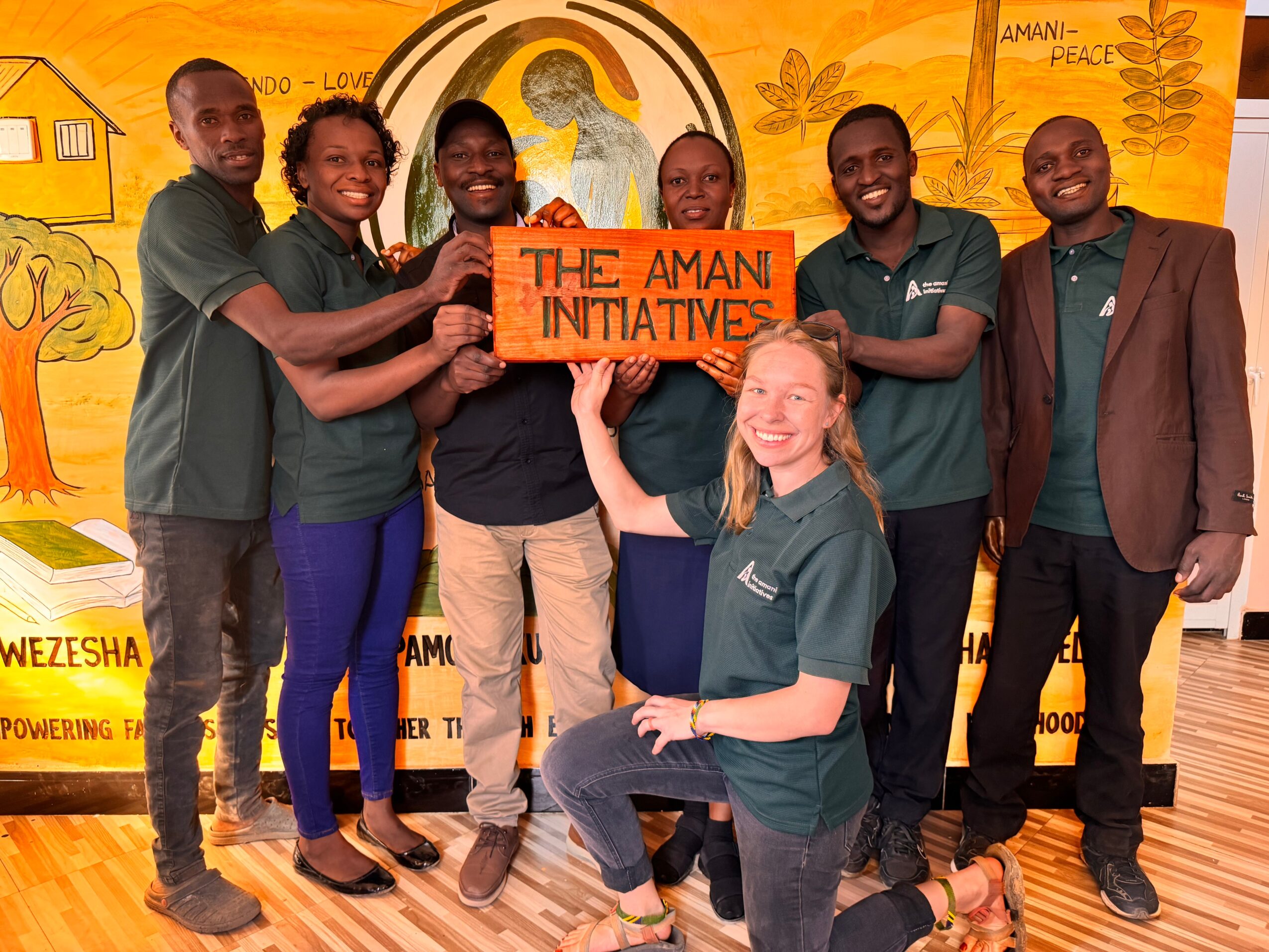
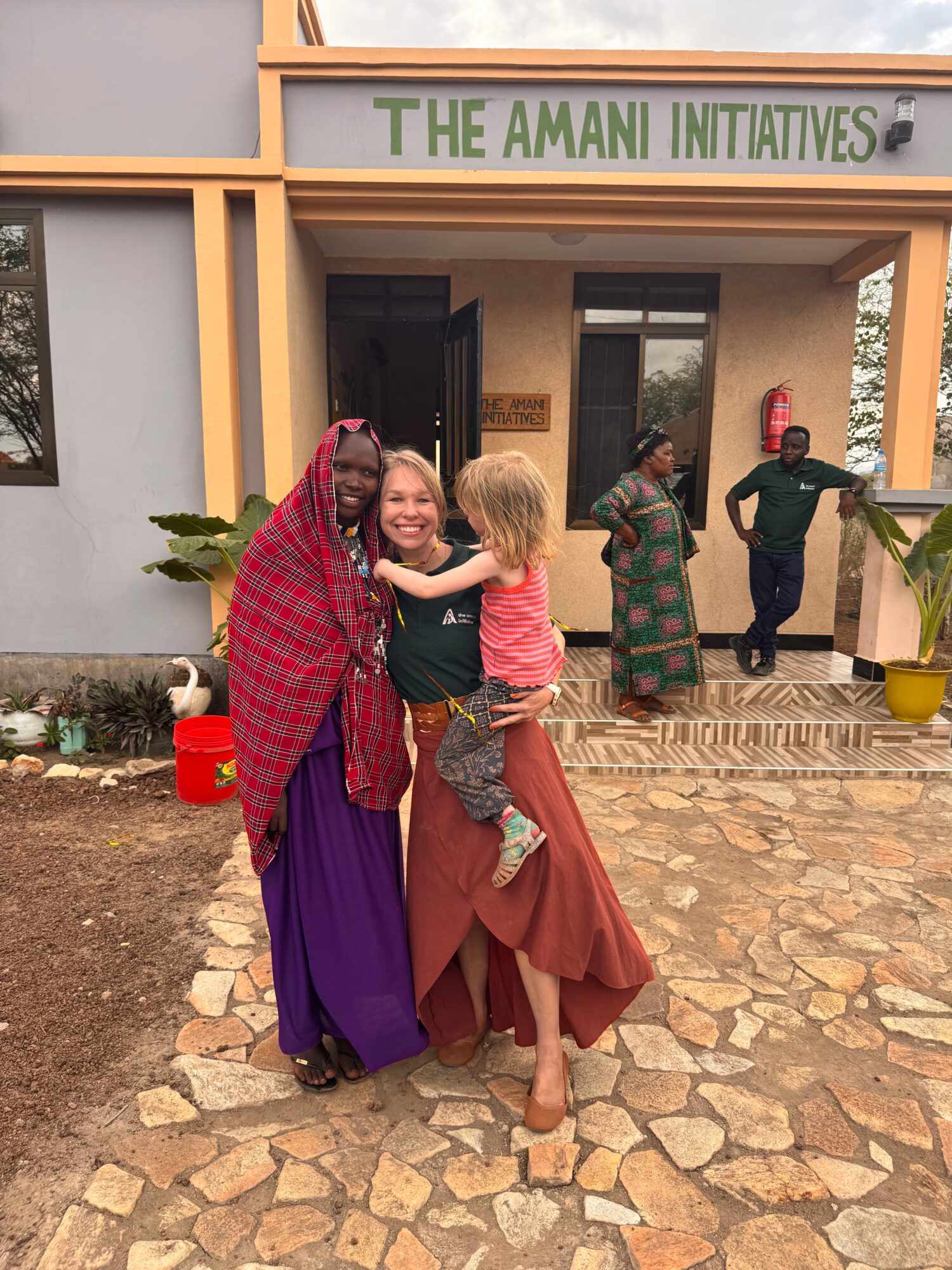
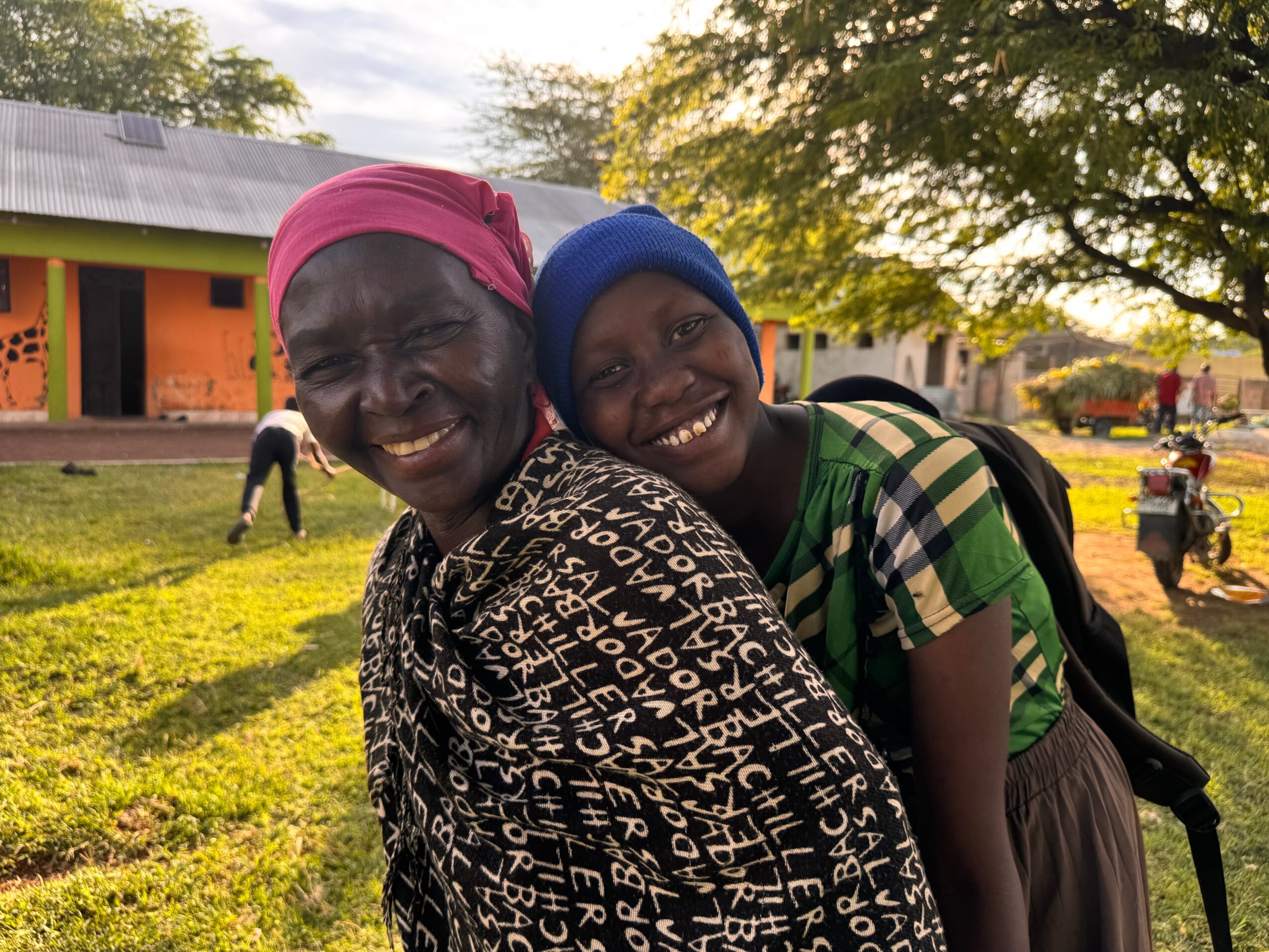
In 2025 the Tanzanian government introduced an ambitious national policy shift focused on reuniting children with their families and moving away from institutional care. It reflects an important global reality. An estimated eighty to ninety percent of children living in orphanages actually have living relatives. Poverty and lack of opportunity, not the absence of family, are often the real reasons children are separated from the people who love them. Following the leadership of the Tanzanian government and our local partners, we began transitioning our programs toward a family-first model that supports caregivers, strengthens household livelihoods, and helps keep children safely with their families. As part of that transition we helped establish Amani Initiatives in Tanzania, placing leadership and program development directly in the hands of Tanzanian community members and professionals who know these challenges firsthand. The organization focuses on community-based education support, psychosocial care, and sustainable livelihoods that strengthen family stability.
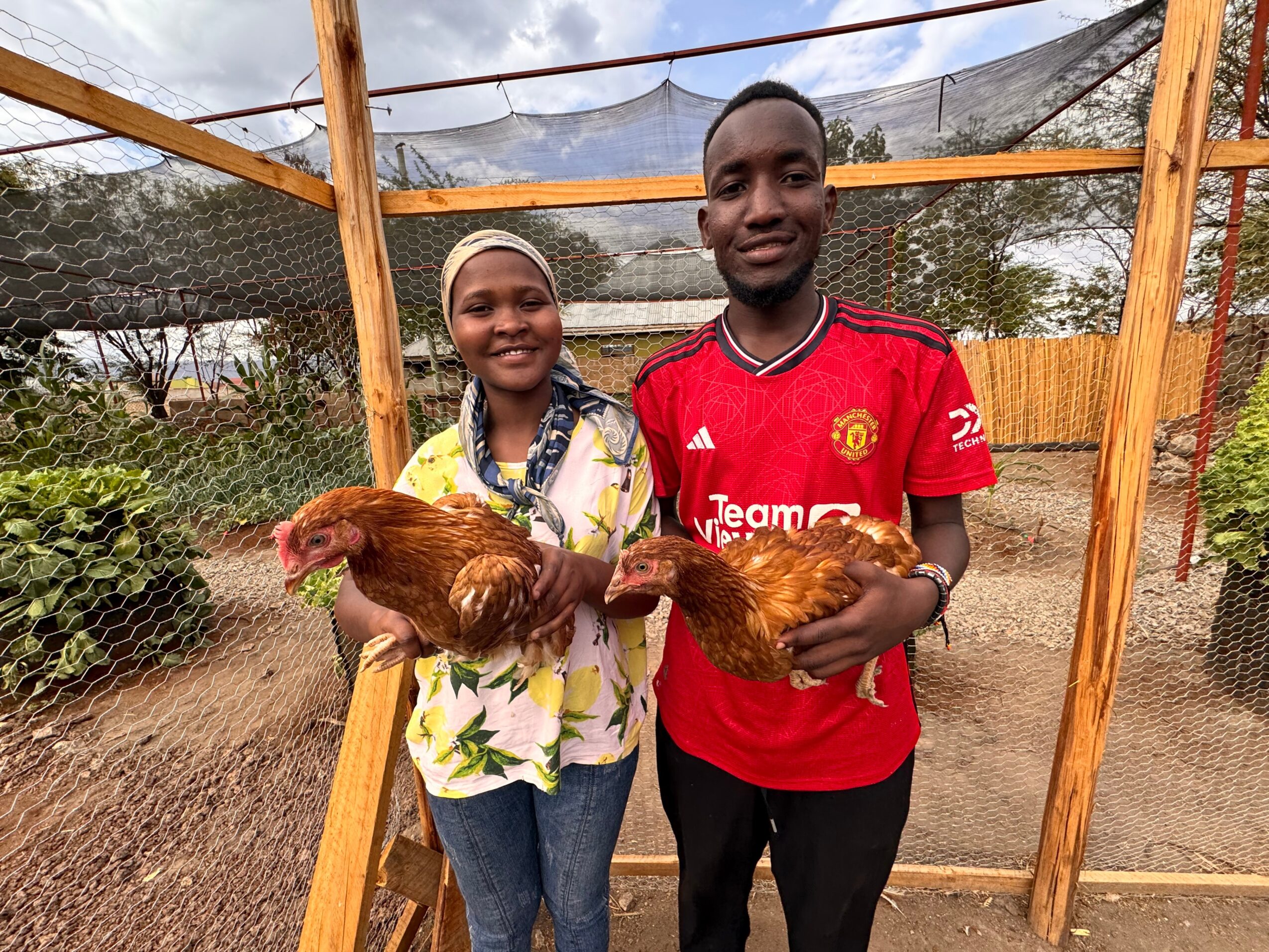
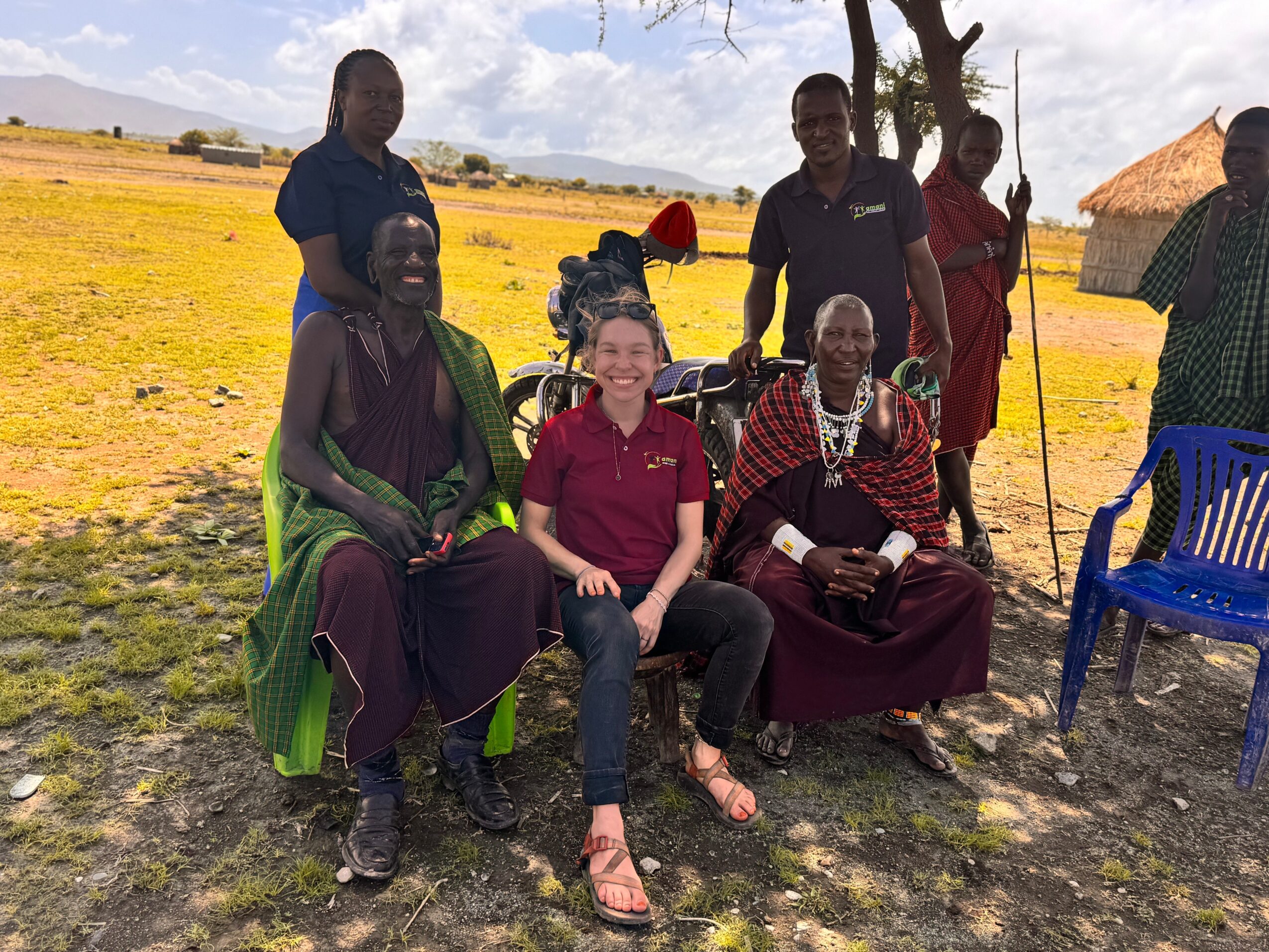
Today my work sits right at the intersection of research and practice. As an anthropologist I study how families facing environmental and economic pressures make difficult decisions about survival. Through Amani Initiatives in Tanzania and the Amani Foundation in the United States, we try to translate those insights into practical programs that help families stay together and build more stable futures. And honestly, the moments where I feel most at home are still the quiet ones in the field (quite literally). Sitting with families near their gardens, goats, and chickens, talking about their hopes for their children and the challenges they are navigating. The landscapes may be different from the farm where I grew up, but the connection between land, family, and survival feels remarkably familiar to this day.
Alright, so let’s dig a little deeper into the story – has it been an easy path overall and if not, what were the challenges you’ve had to overcome?
It has not always been a smooth road. I was a Pell Grant recipient in college and grew up in a home environment that had its share of challenges. My parents did their best to support my dreams with the resources they had, and I remain deeply grateful for that. Things that other people might overlook exposed me to a world I would not have entered otherwise. Access to spaces like museums on field trips, community nature centers that allowed me to volunteer, and opportunities such as SAT preparation programs opened doors that I might not have otherwise gained access to.
I started in 4-H, but ended with bachelor’s degrees in both liberal arts and agricultural sciences, and later a doctoral degree, becoming the first person in my family to do so. Those early experiences helped translate curiosity into possibility and ultimately launched me toward a degree of educational mobility that would have been much harder to achieve otherwise. Sometimes I still feel an immense amount of impostor syndrome, as I know I did not come from the same background as many of my colleagues and mentors and do not have some of the same safety nets and experiences they draw from.
Because of that, I try to hold two truths at once. Individual determination matters, but access to opportunity matters just as much. That awareness has shaped how I approach both my research and my nonprofit work. It reminds me that talent and insight exist everywhere, but opportunity is often unevenly distributed. Much of the work we do today is about helping expand those pathways so that families and young people have the chance to pursue their own futures on their own terms.
Can you tell our readers more about what you do and what you think sets you apart from others?
I spoke to this a bit already, but I think I am somewhat stubborn in my approach to studying how people construct safety and meaning in livelihoods that depend on natural resources. In some ways, all research can be thought of, at least a little bit, as “me-search.” I grew up in a turbulent family where we were also trying to craft stability with what we had. That framing, along with the common international language of agriculture, helps me connect with people across the globe.
I am deeply aware that my experience is not the same as theirs, but I am grateful for the ways it provides an entry point for conversation and understanding. Much of my work comes from listening to how families navigate difficult decisions about survival, care, and opportunity within changing environmental and economic landscapes.
What probably sets me apart most is a mix of stubbornness and hope. I am stubborn in the sense that I believe deeply in centering the knowledge of the people living these realities and in continuing to ask questions about how systems could work better for them. And I remain hopeful that if we listen carefully and work collaboratively, we can help build pathways that allow families to stay together and thrive in the places they call home.
Is there anyone you’d like to thank or give credit to?
My family deserves enormous credit for opening every door for me that they could, even when they themselves could not walk through those doors. They supported my curiosity and dreams in ways that mattered deeply.
I also owe a great deal to teachers. There is a certain type of middle school teacher who stays late after school to help tutor a nervous student before a test, because they see how much that student cares. There are college teachers who invite you into their offices and say they believe in you before you are quite ready to believe in yourself. There is the type of graduate school mentor who, when their nonprofit hosts an event, gives you an extra ticket so you can attend a gala or speaker event that changes your world and introduces you to new communities and mentors.
But I also carry lessons from other teachers too. The ones who laughed when I got problems wrong on the board in sixth grade math. The ones who teased me when I read aloud and accidentally read my own typos in eighth grade. The ones who whispered to each other just loud enough for me to hear in my freshman year of high school, “Well, she’s a loud one, isn’t she?” And I promptly became quiet for a very long time.
Those moments hurt at the time. But they also gave me something invaluable: a stubborn and slowly growing sense of self-loyalty. Over time, I learned that curiosity and persistence mattered more than embarrassment or the feeling that I did not know how to be or how to act in a world that, at the time, felt intellectually beyond my reach.
And I hope, in my own work and mentoring, to pass that forward to every curious girl from a farm who has questions that stretch beyond the edges of the fields she grew up in and lead her into new ones.
Pricing:
- $100/month – Helps ensure children can grow up safely at home with the resources their families need to stay together.
- $50/month – Supports long-term family stability programs that prevent separation before crisis begins.
- $25/month – Contributes to education access, caregiver training, and household stability for vulnerable families.
- $10/month – Strengthens community-based support networks that help families remain together.
Contact Info:
- Website: https://amani-initiatives.org/
- Instagram: https://www.instagram.com/amaniinitiatives/
- LinkedIn: https://www.linkedin.com/company/101166823/
- Youtube: https://www.youtube.com/@childrenofamani
- Other: https://katharine-thompson.com