


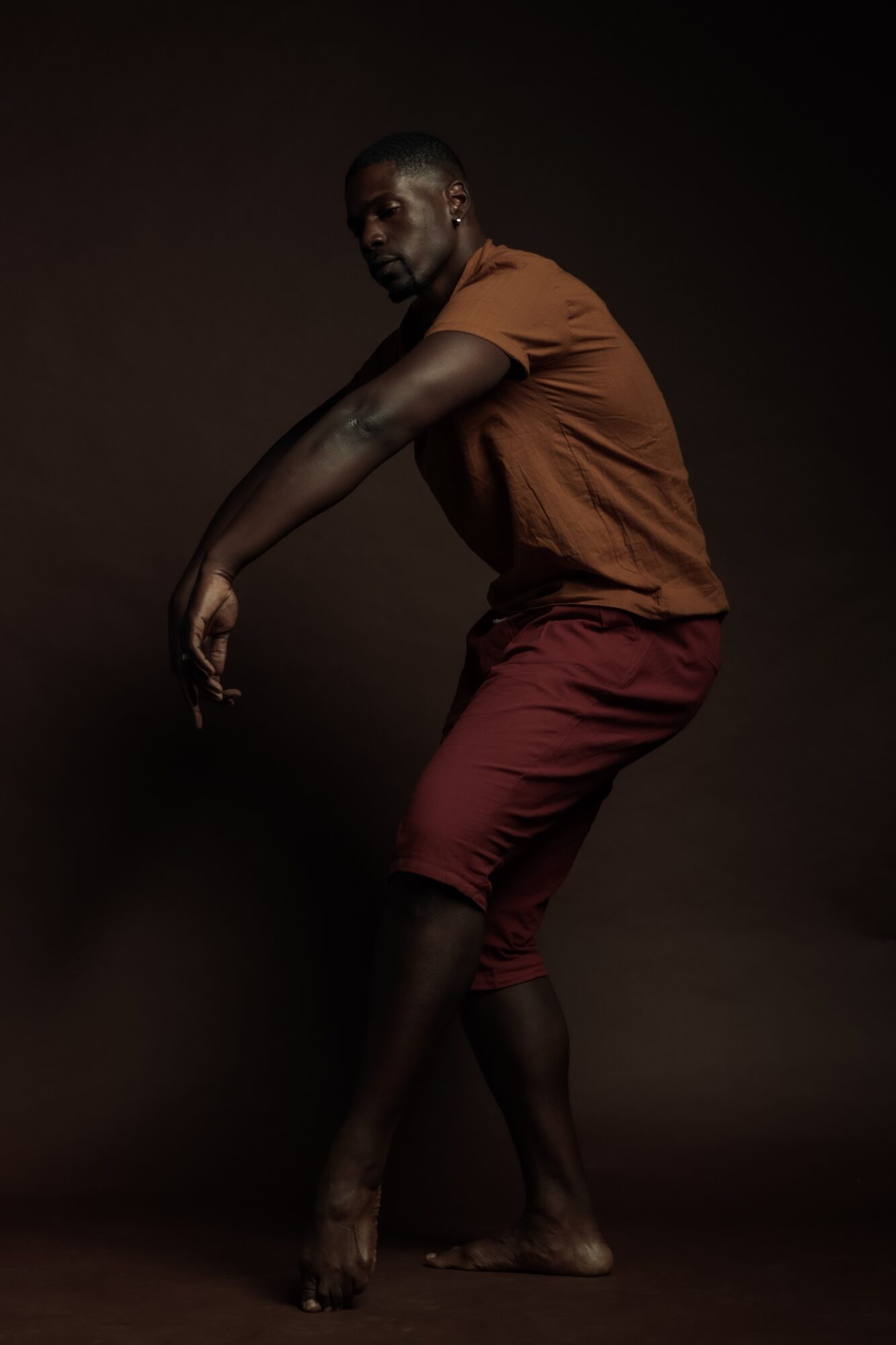
Today we’d like to introduce you to Vincent Hardy.
Hi vincent, so excited to have you with us today. What can you tell us about your story?
I didn’t begin as the “natural dancer.”
I started dancing at 14 years old 315 pounds, simply because I didn’t want to run laps for P.E. My high school offered dance as an alternative credit, and I chose it out of survival more than destiny. I just knew I didn’t want to be on the field.
But something happened in that studio.
Over the next two years, I lost more than 100 pounds. Not through punishment — but through movement. Through rhythm. Through discovering that my body was not my enemy. It was waiting for me. And I began excelling quickly. What started as avoidance became awakening.
That awakening led me to receive a full scholarship to the University of the Arts, where I trained rigorously and fell in love with contemporary dance at a high level. Technique sharpened me. Discipline refined me. I discovered what my body was capable of.
In my final year of college, I was accepted into Complexions Contemporary Ballet — one of the A-list contemporary ballet companies in New York City. Around the same time, I was offered a contract to perform on Broadway with The Lion King.
On paper, everything was aligning with the dream.
But internally, something deeper was unfolding.
During that season, I had a profound encounter with God that shifted my entire trajectory. I realized dance was not just performance. It wasn’t only about applause, prestige, or achievement. It was communion. It was embodiment. It was union.
So I made what many would consider an unconventional decision, I turned down Broadway and pursued my MFA at UC Irvine to study and explore sacred dance.
That choice redefined my life.
In graduate school, my curiosity expanded beyond choreography. I began exploring the body as a temple — fascia, spiral patterns, somatics, the nervous system, contact improvisation, and what I now call theosomatic embodiment: the integration of body and spirit through movement.
I stopped chasing external shapes and began listening to internal intelligence.
What started at 14 as a way to avoid running laps became a lifelong devotion to awakening through movement.
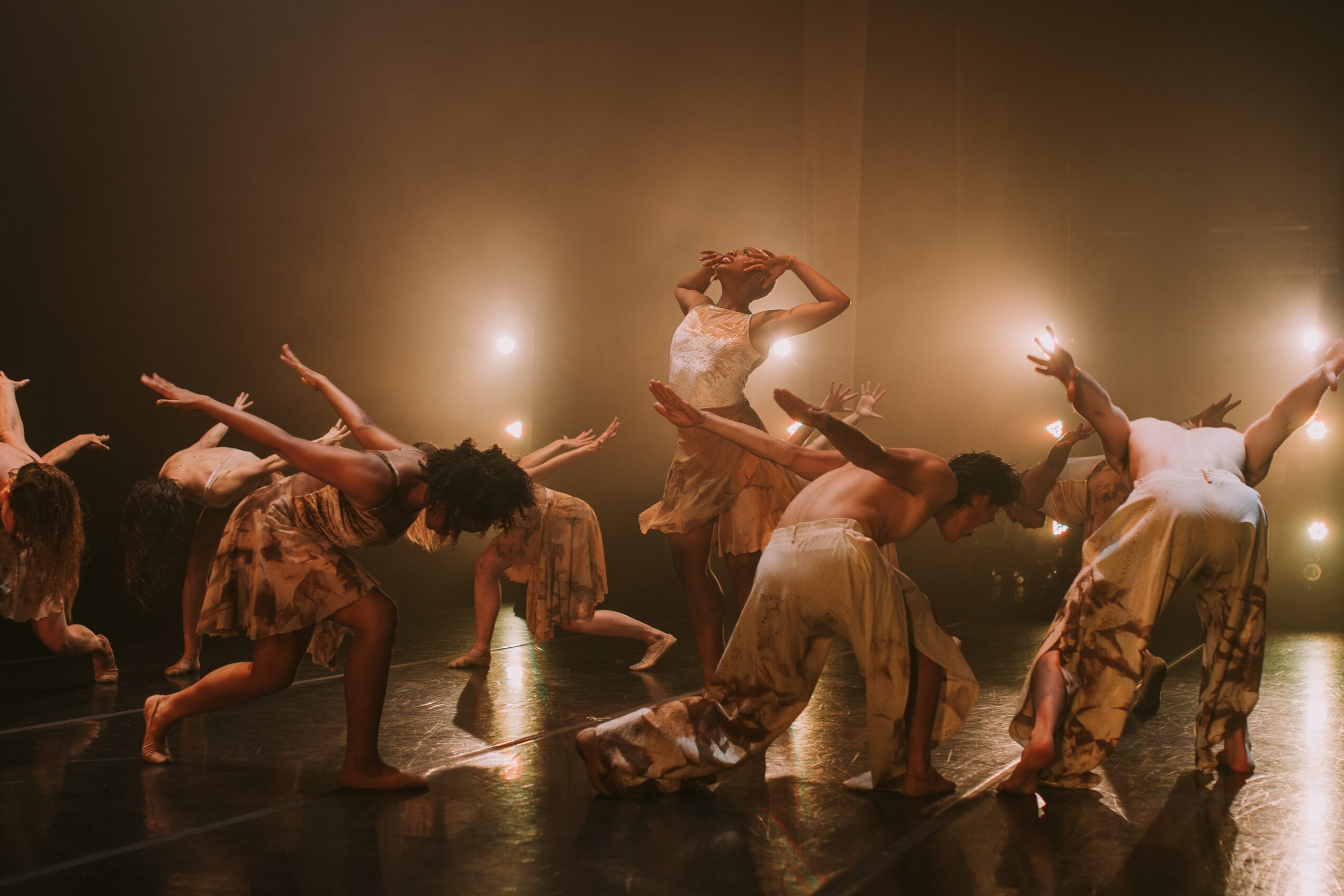
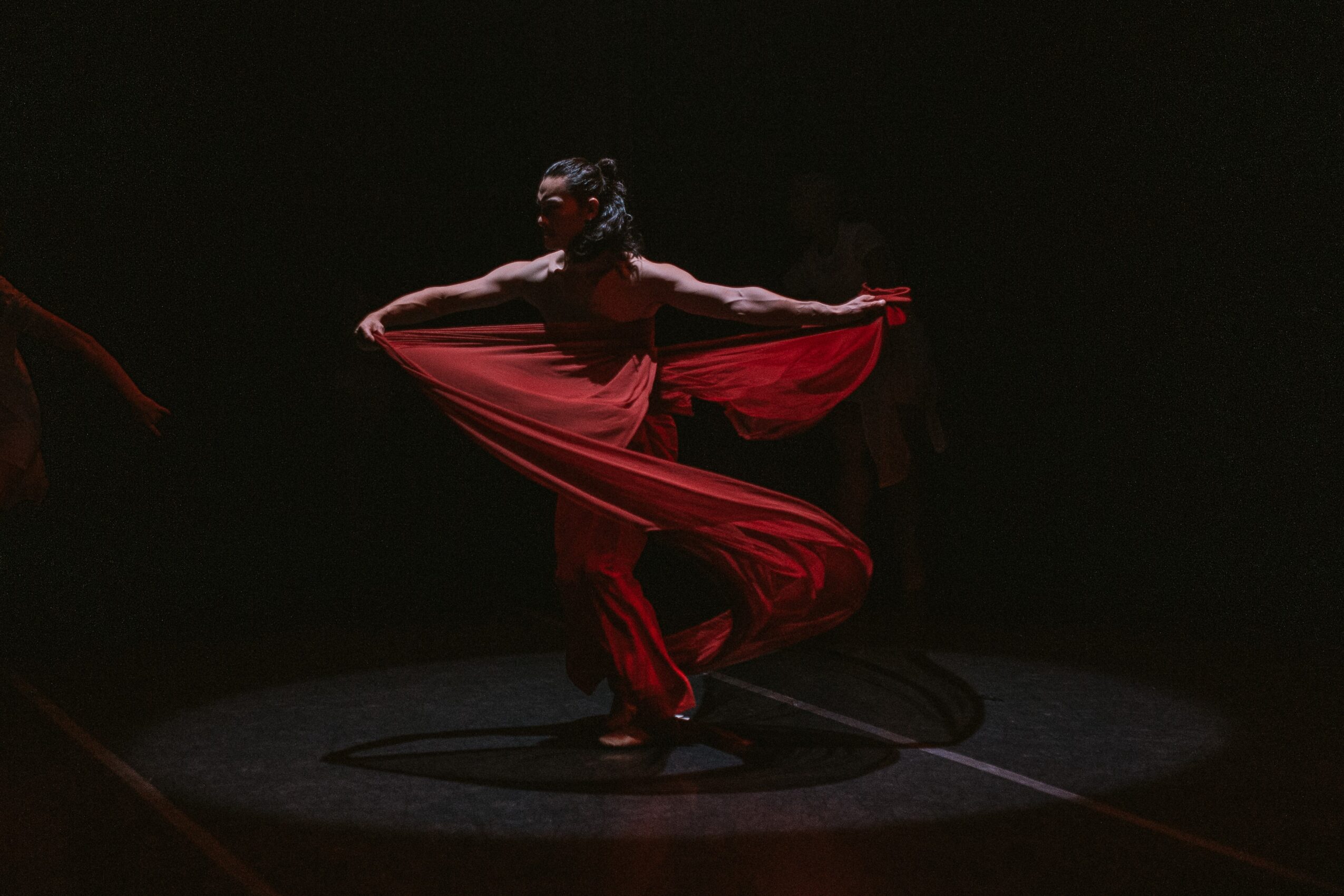
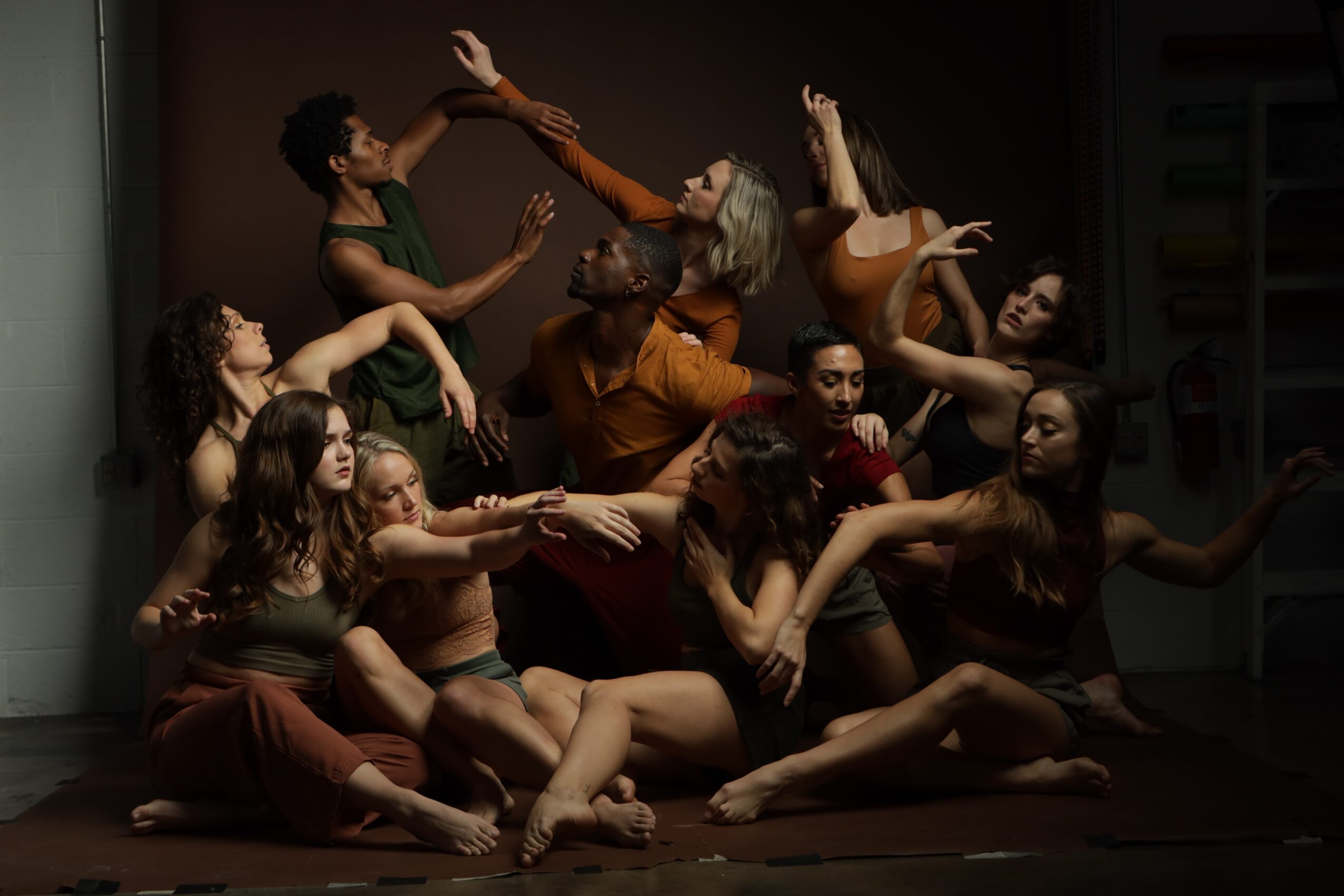
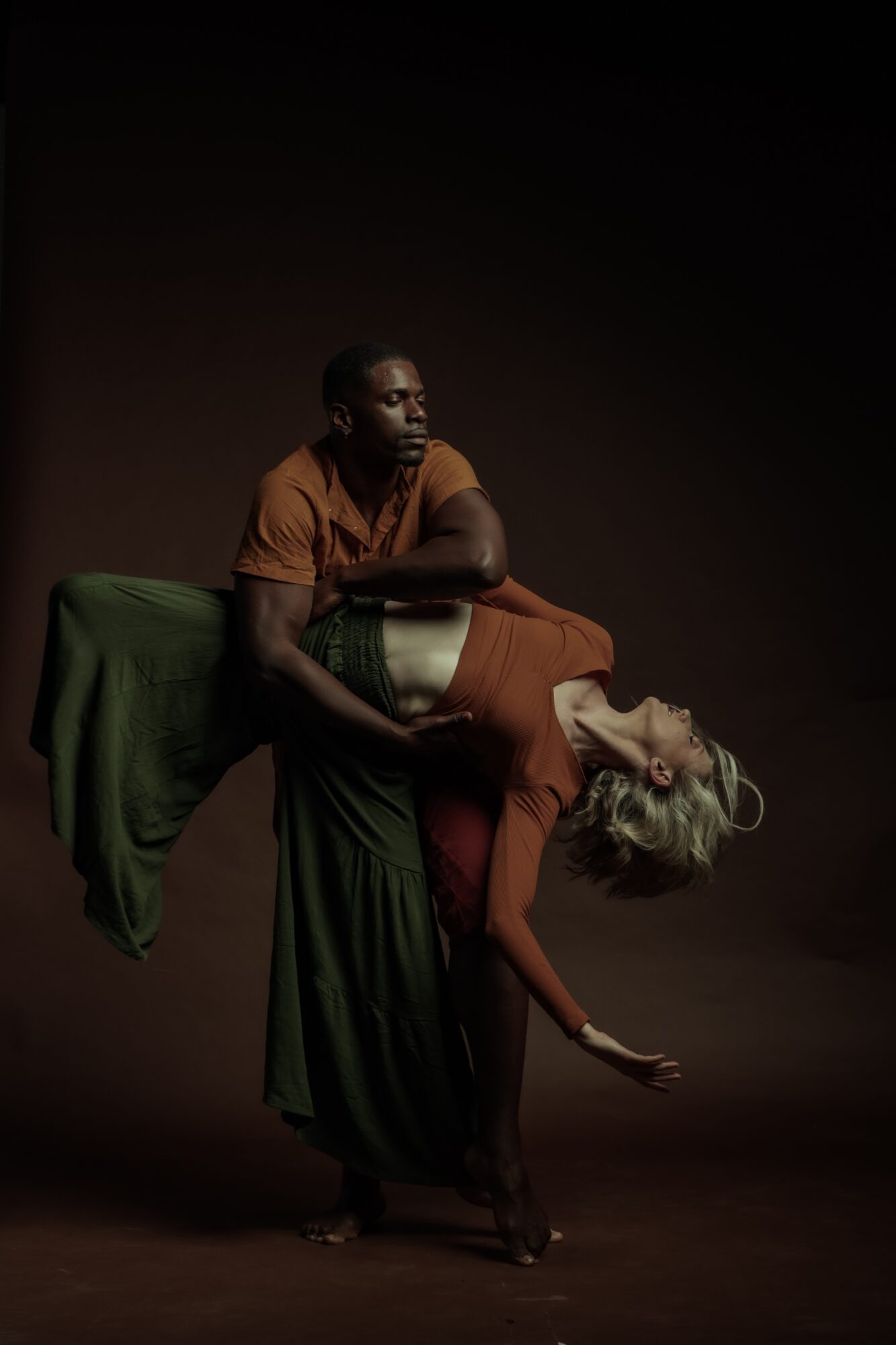
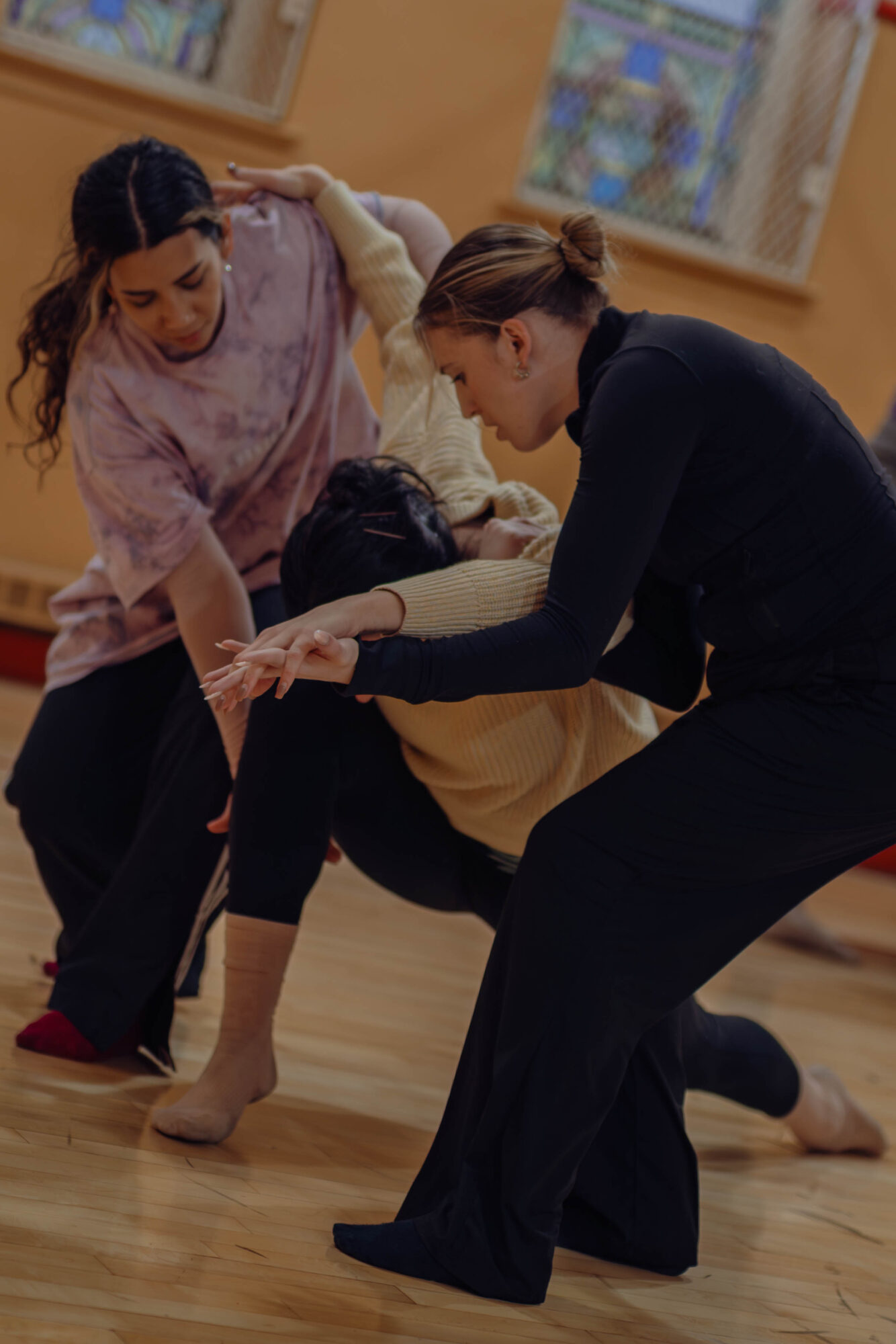
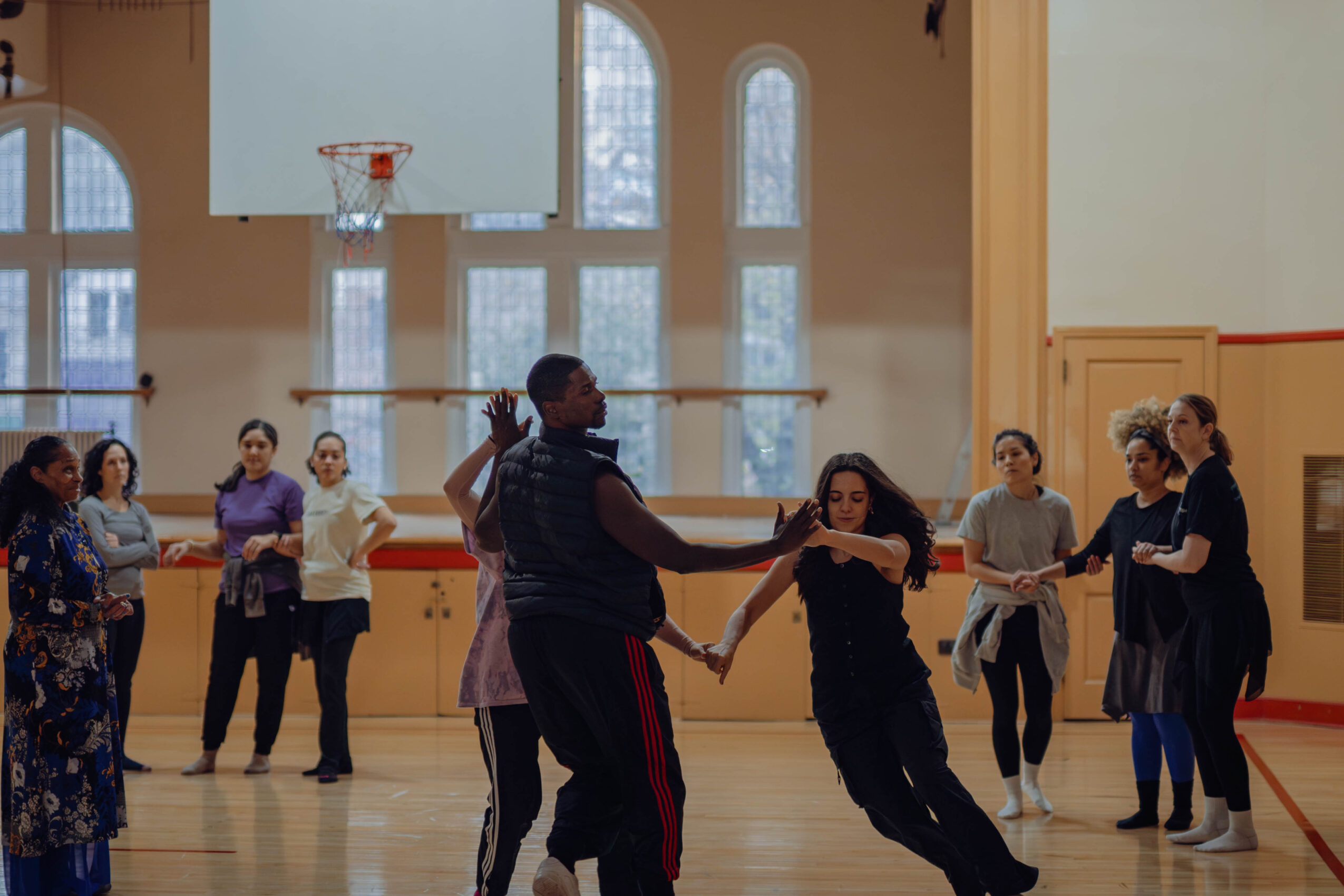
Today, through My Company Zion Dance Project and my teaching platforms, I guide dancers into a fascia-first, spiral-based approach to contemporary movement ,where technique expands, partnering becomes intelligent and adaptive, and dance becomes transformational rather than performative.
Looking back, my story isn’t about weight loss, prestige, or even success.
It’s about remembering.
The body was never something to escape.
It was the doorway.
And dance was never just something I did.
It became how I commune, how I pray, and how I embody my union with God.
Can you talk to us a bit about the challenges and lessons you’ve learned along the way. Looking back would you say it’s been easy or smooth in retrospect?
It hasn’t been entirely smooth, but parts of it absolutely were.
There were seasons where the path felt unmistakably clear. Scholarships opened. Teachers saw my potential and advocated for me. Companies offered opportunities. Doors opened at just the right time. When I began to see life through the lens of God’s leading, closed doors, open doors, redirections, it felt like destiny was unfolding with grace. In those moments, the road felt almost effortless.
But the difficulty wasn’t in the opportunities.
It was in the perception.
As a six-foot-three Black man entering the dance world, I often encountered limitations before I even moved. There were assumptions about what I should or shouldn’t be doing. There were subtle and sometimes direct messages about where I fit or where I didn’t. In some spaces, I had to dance twice as boldly just to be seen beyond expectation.
Another challenge was refusing to shrink into one expression of myself.
As my work expanded integrating faith, fascia, somatics, sacred embodiment, contemporary technique I realized I wasn’t meant to belong to just one community or one lane. Some people wanted the classical dancer. Others wanted the spiritual mystic. Others wanted the conservative evangelical liturgical church dance minister. But I began to understand that I am an embodied vessel of the Creator and that means there is limitless creativity inside of me.
That expansiveness can be uncomfortable for people.
The hardest part, honestly, has been losing people along the way. Not because of hurt or failure — but because they didn’t understand where I was being led. When you follow a calling that stretches beyond familiar categories, not everyone will walk with you into the next chapter.
There were moments of isolation. Moments of questioning. Moments where I had to trust what I sensed God forming in me even when others couldn’t see it yet.
But I’ve come to understand something deeply:
The smooth parts were confirmation.
The hard parts were refinement.
Both were necessary.
And every struggle ultimately strengthened my conviction that I am not here to fit into a narrow definition of dancer, artist, or believer but to embody the fullness of who I was created to be.
As you know, we’re big fans of you and your work. For our readers who might not be as familiar what can you tell them about what you do?
At its core, my work is about embodied awakening.
I’m a choreographer, movement educator, and the founder of Zion Dance Project. I specialize in a fascia-first, spiral-based approach to contemporary dance and contact improvisation integrating biomechanics, somatics, nervous system awareness, breath, and what I call theosomatic embodiment: the integration of body and spirit through movement.
I help dancers move from internal intelligence rather than imposed form. Instead of chasing positions, we cultivate perception.
What many people know me for is the atmosphere I create.
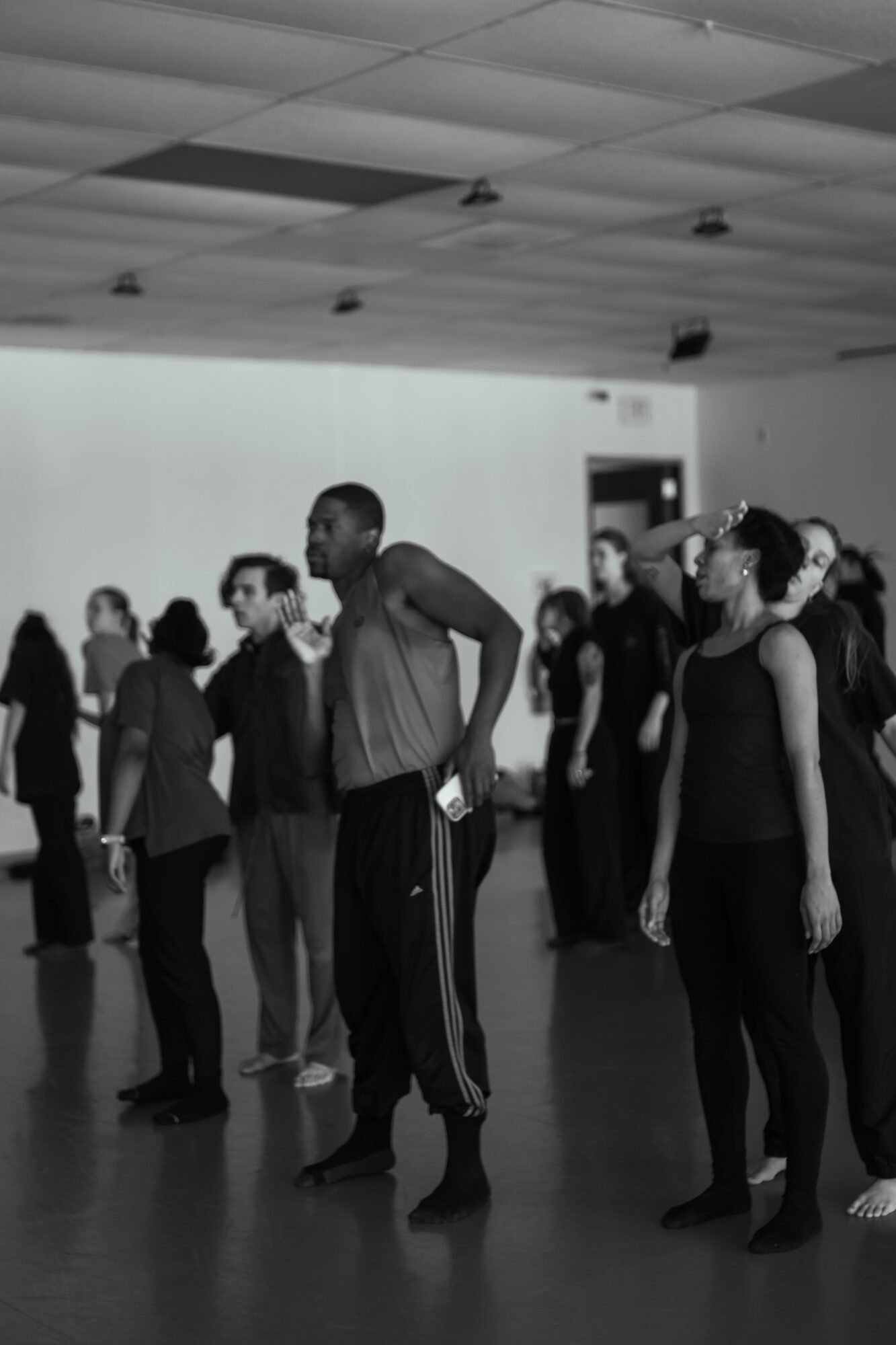
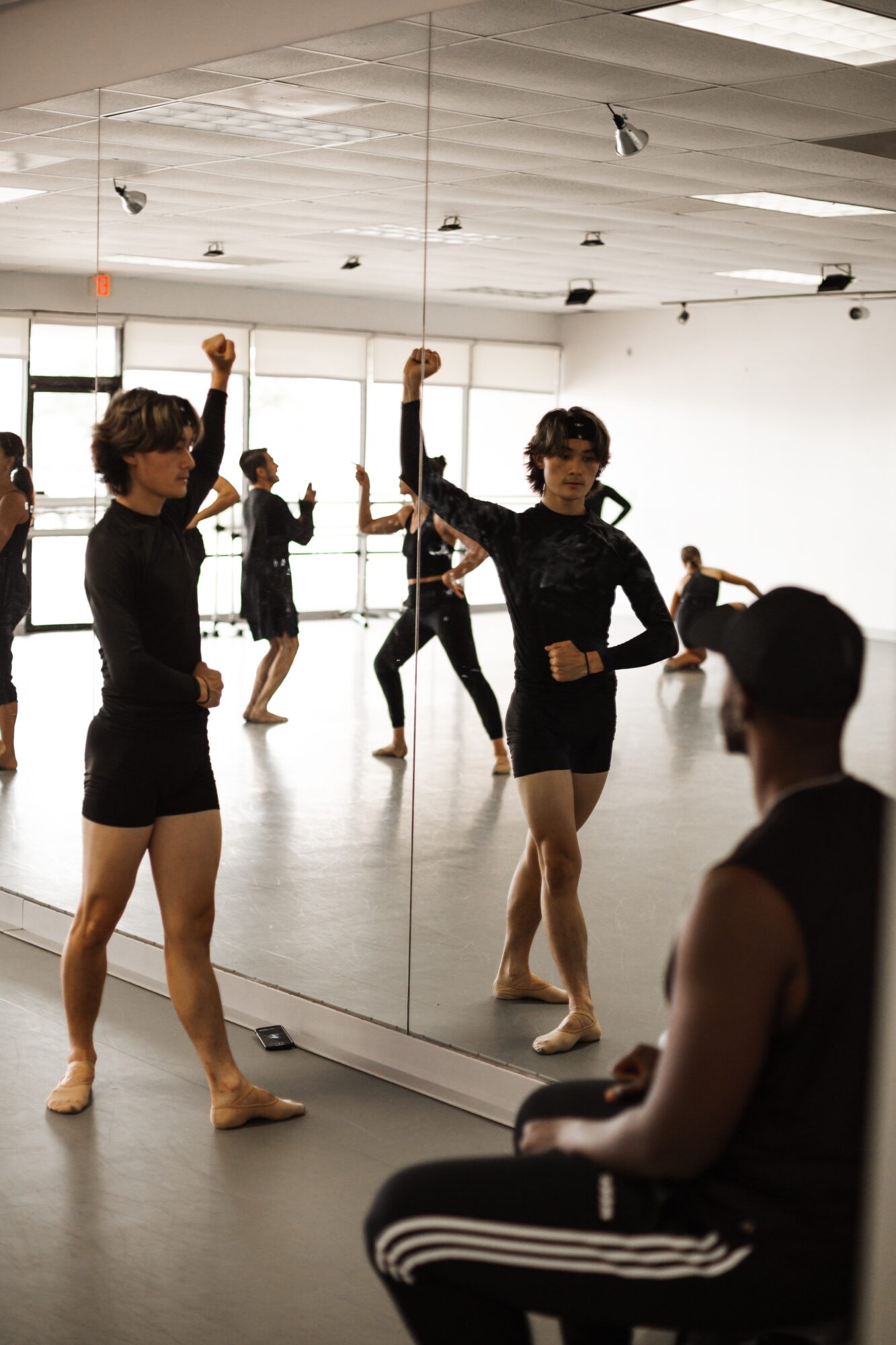
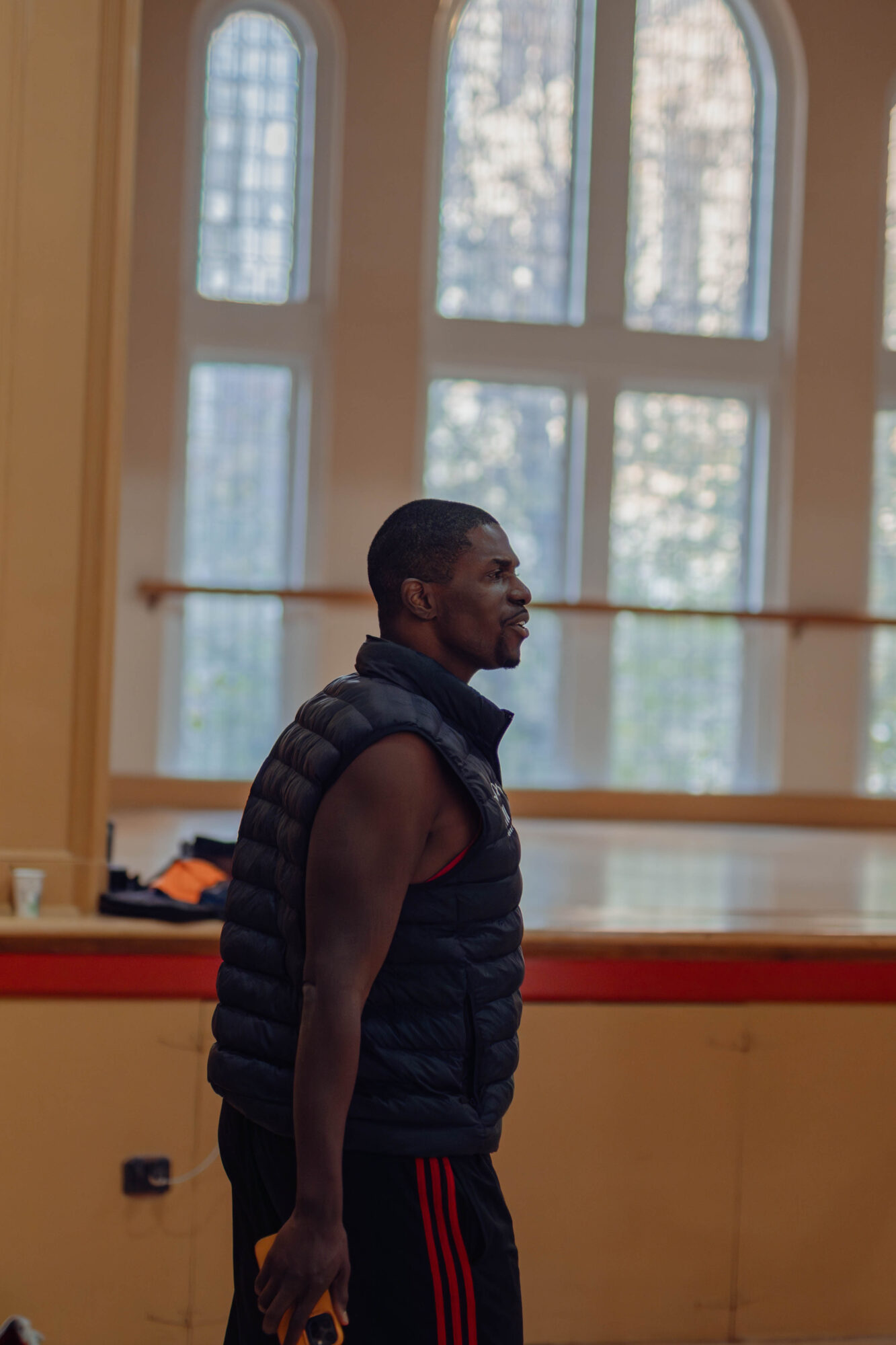
My classes and workshops often feel immersive part laboratory, part training ground, part transformative experience. Dancers leave not only technically expanded, but more connected to themselves. I’ve been told that I help people feel seen in their bodies not corrected into conformity, but awakened into capacity.
I also bridge worlds.
I move comfortably between the professional dance space, somatic and ecstatic movement communities, and faith-based environments. Rather than separating those realms, I explore how they inform one another. That integration is unusual and it has become a defining feature of my work.
What I’m most proud of isn’t a company credit or a stage.
It’s watching someone who feels limited physically, emotionally, or creatively suddenly access something new in their body. Seeing a dancer trust their weight for the first time. Watching someone who believed they “weren’t a mover” discover fluidity. Witnessing confidence grow from internal sensation rather than external validation.
I’m also proud of the ecosystem we’re building where high-level artistry and deep embodiment are not opposites, but partners.
What sets me apart, I believe, is this:
I don’t teach movement as performance first.
I teach movement as intelligence.
I don’t separate technique from spirituality.
I explore how they inform one another.
And I don’t see the body as something to discipline into submission but as something to listen to, refine, and awaken.
In a world that often prioritizes speed, spectacle, and surface, I’m committed to depth, sensation, and transformational power.
Because for me, dance isn’t just something we execute.
It’s something we embody.
Are there any important lessons you’ve learned that you can share with us?
The most important lesson I’ve learned is that restoration is real and it begins in the body.
When Scripture speaks about the restoration of all things, I used to think about it in large, cosmic terms. But over time, I’ve come to understand that restoration is deeply personal and physical. Our bodies carry stories trauma, insecurity, limitation, shame, ambition, discipline. And yet, they also carry an incredible capacity for renewal.
My own journey started with feeling disconnected from my body. As a teenager at 315 pounds, I didn’t see my body as something powerful. Through dance, I began to experience transformation not just weight loss, but restoration. Strength replaced shame. Awareness replaced avoidance. Movement became medicine.
As I’ve continued studying fascia, nervous system regulation, somatics, and sacred embodiment, I’ve seen this truth repeatedly: the body is not the obstacle. It’s the gateway.
We are designed to be restored.
The body can re-pattern.
The nervous system can regulate.
Old beliefs can loosen their grip.
What felt frozen can move again.
And this isn’t just metaphorical. It’s physiological. It’s neurological. It’s spiritual.
I’ve learned that flourishing isn’t about perfection it’s about integration. When body, spirit, and mind begin to align, there’s a quiet strength that emerges. A grounded confidence. A sense of being at home in yourself.
The greatest lesson has been this:
Healing is not abstract.
It is embodied.
And when the body begins to restore, everything else follows.
Pricing:
- Private Sessions / Embodiment Coaching: $125–$200 per session
- Weekend Intensives: $150–$350
- Workshops & Masterclasses: $45–$75 per participant
Contact Info:
- Website: https://www.ziondanceproject.org
- Instagram: @iamsonseeker @Kingdom_purposed
- Facebook: https://www.facebook.com/vbhardy/
- Youtube: https://www.youtube.com/@ziondanceproject7614