


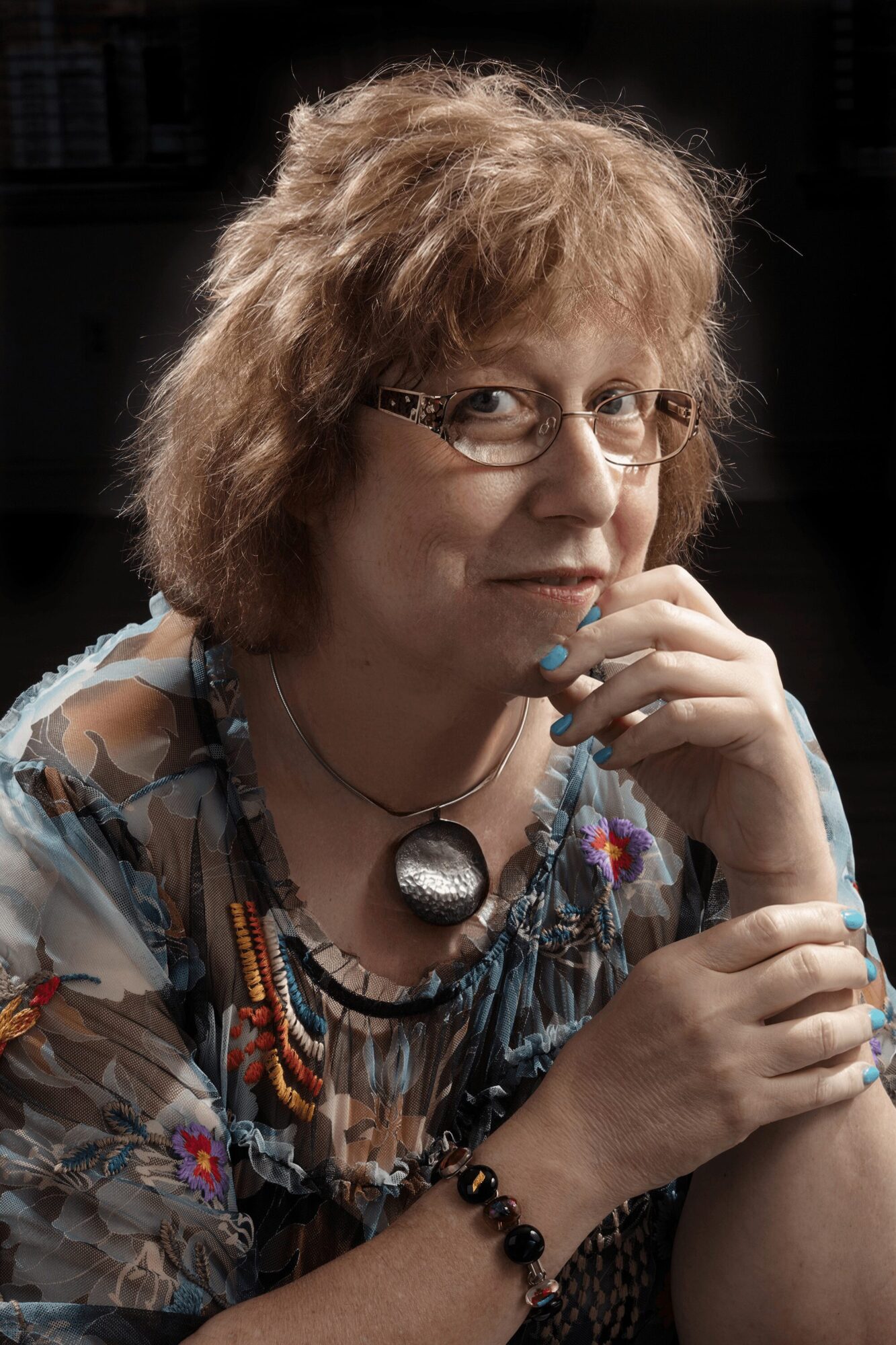
Today we’d like to introduce you to Meryl Lettire.
Hi Meryl, so excited to have you on the platform. So before we get into questions about your work-life, maybe you can bring our readers up to speed on your story and how you got to where you are today?
I began my creative life as an illustrator and fine artist after earning a BFA in Communication Design from Pratt Institute. In the 1980s and ’90s, I worked with clients such as The New York Times, Billboard, Estée Lauder, and Random House, with work shown in several Society of Illustrators exhibitions.
In the 1990s, my path shifted. I started a family and moved into a long and meaningful career as an art educator, eventually earning an MA in Education from St. Peter’s University. For more than two decades, I taught art while continuing to nurture my own creative voice, receiving honors from the NJ Commission on Holocaust Education, the Anti-Defamation League, the New Jersey Council for the Humanities, and the Geraldine R. Dodge Foundation. Teaching—and especially teaching about art, history, and humanity—deeply shaped the work I make today.
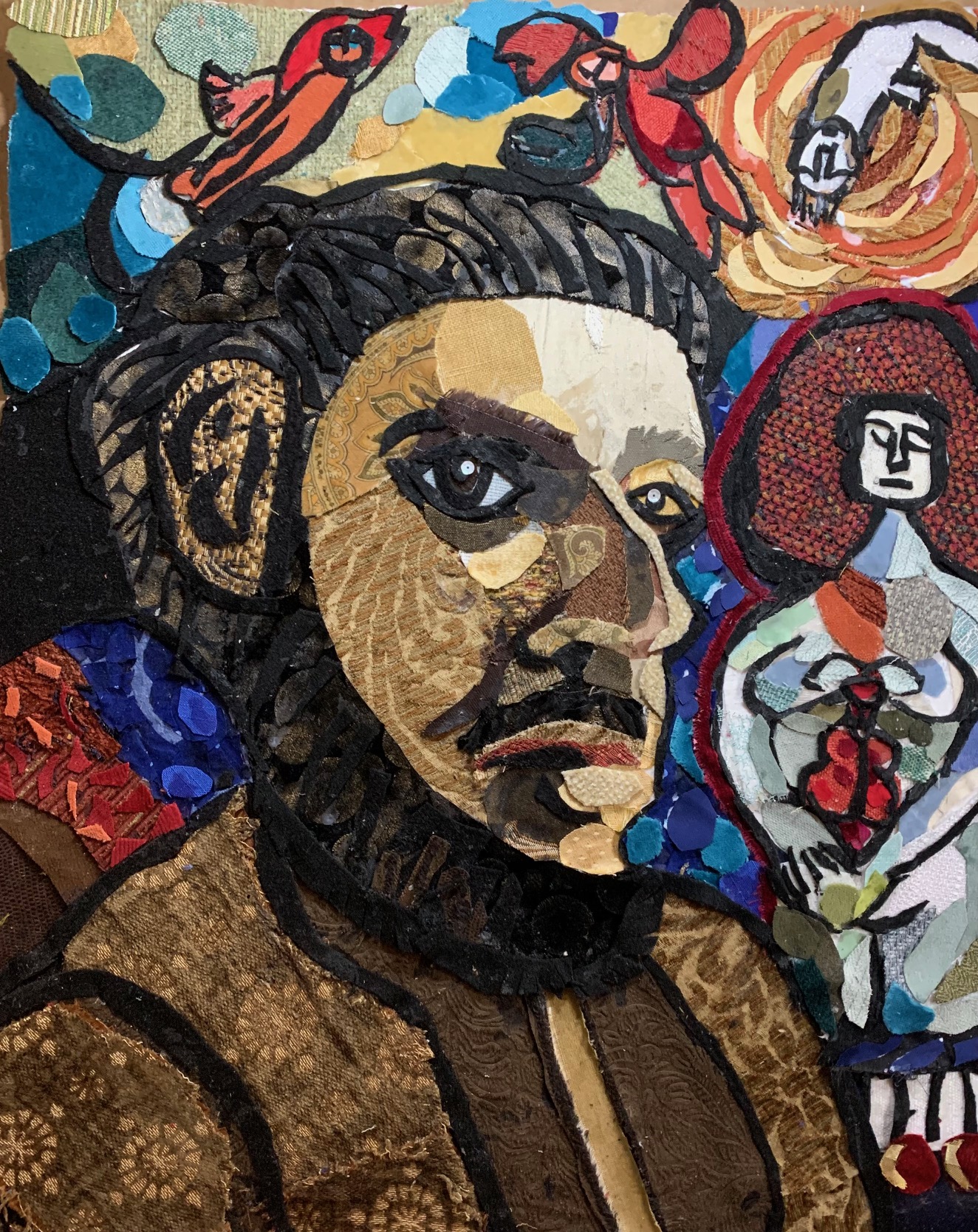
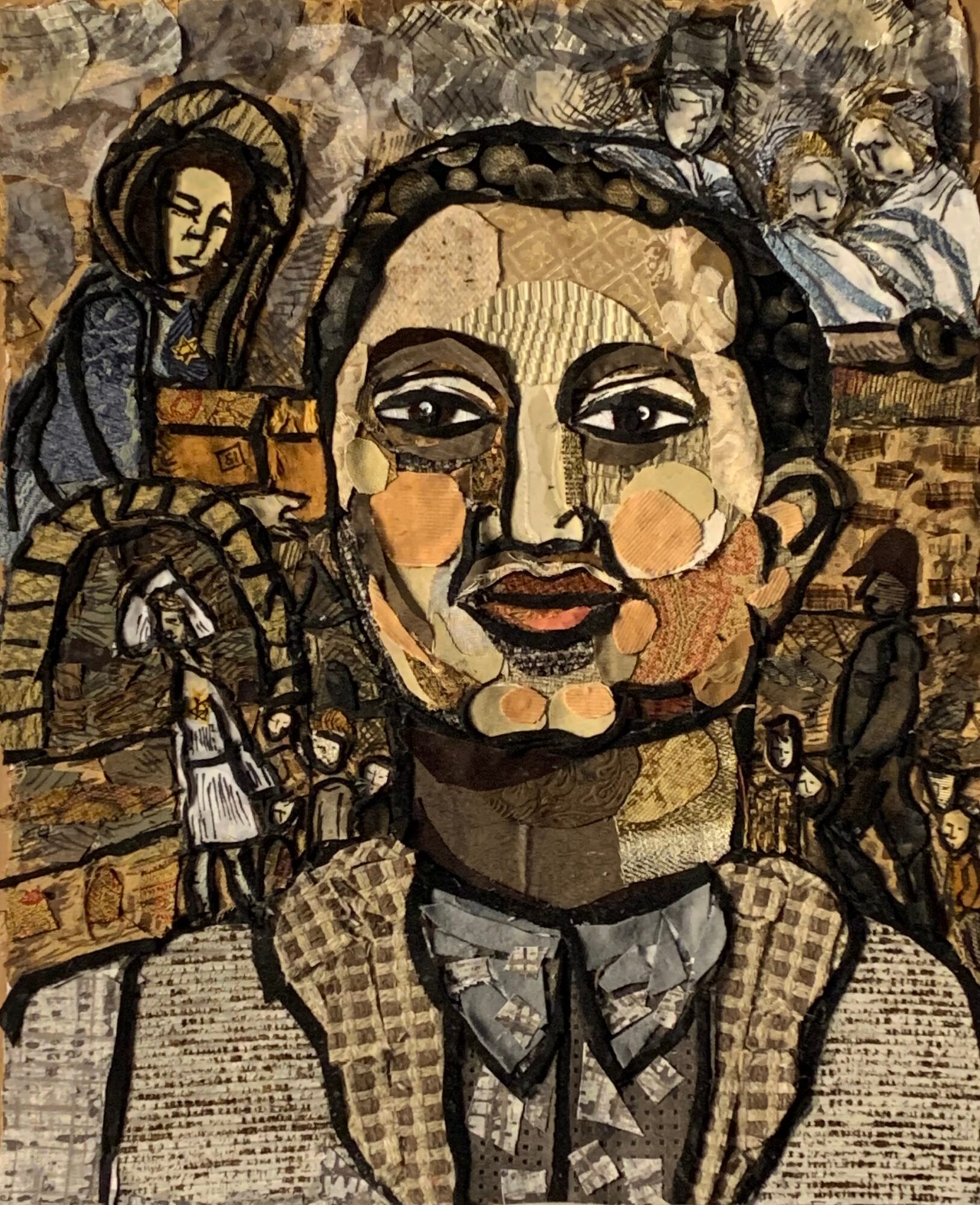
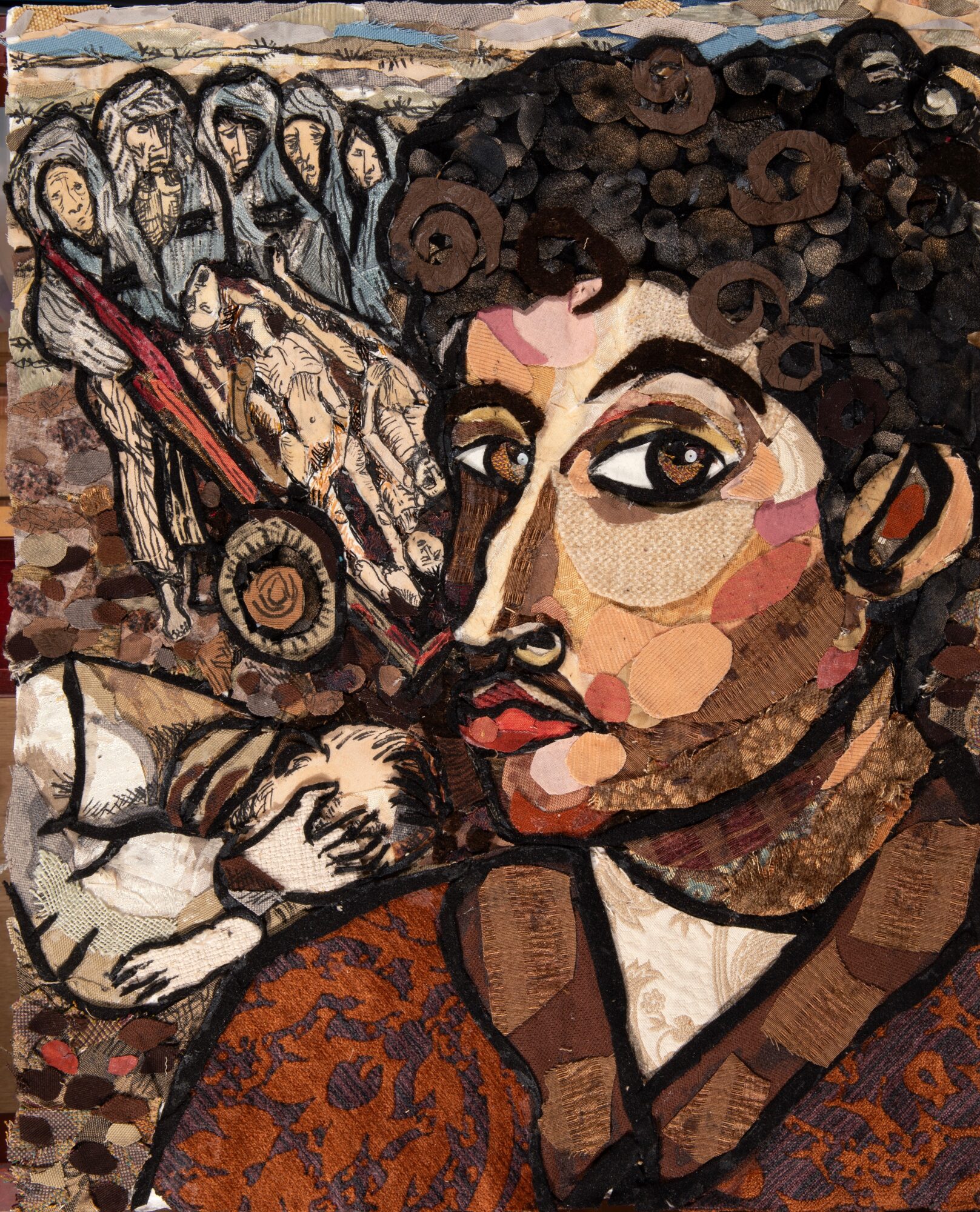
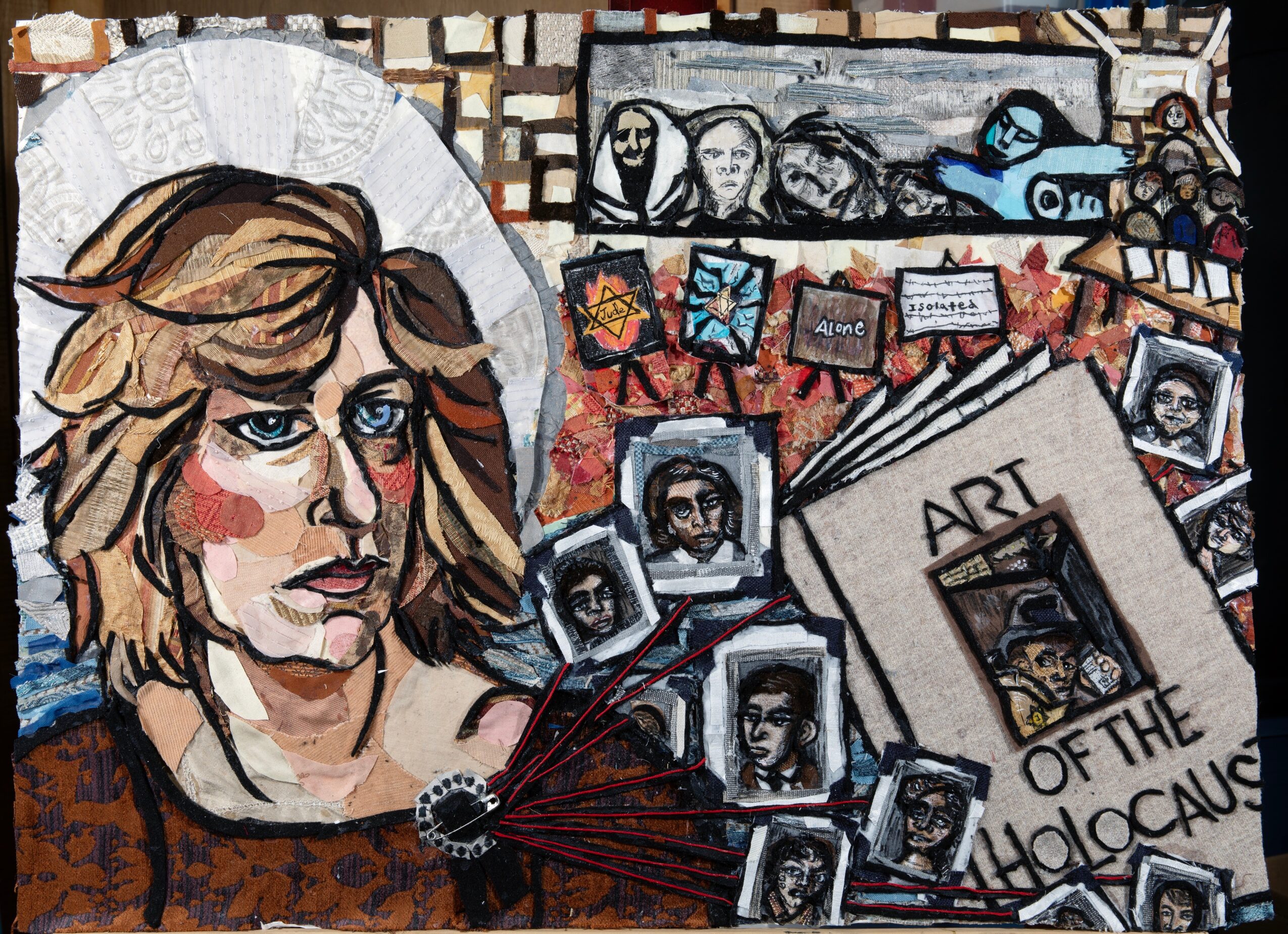
After retiring from education in 2023, I returned to my studio full-time and began focusing on textile assemblage portraiture. Around that time, I met and began collaborating with Ashara Shapiro, the owner of ArtWRKD in Newtown, Pennsylvania. That connection was pivotal. Through her support and curatorial vision, I began exhibiting my series The Madonnas and Heroes of the Holocaust, which helped launch this new chapter of my career.
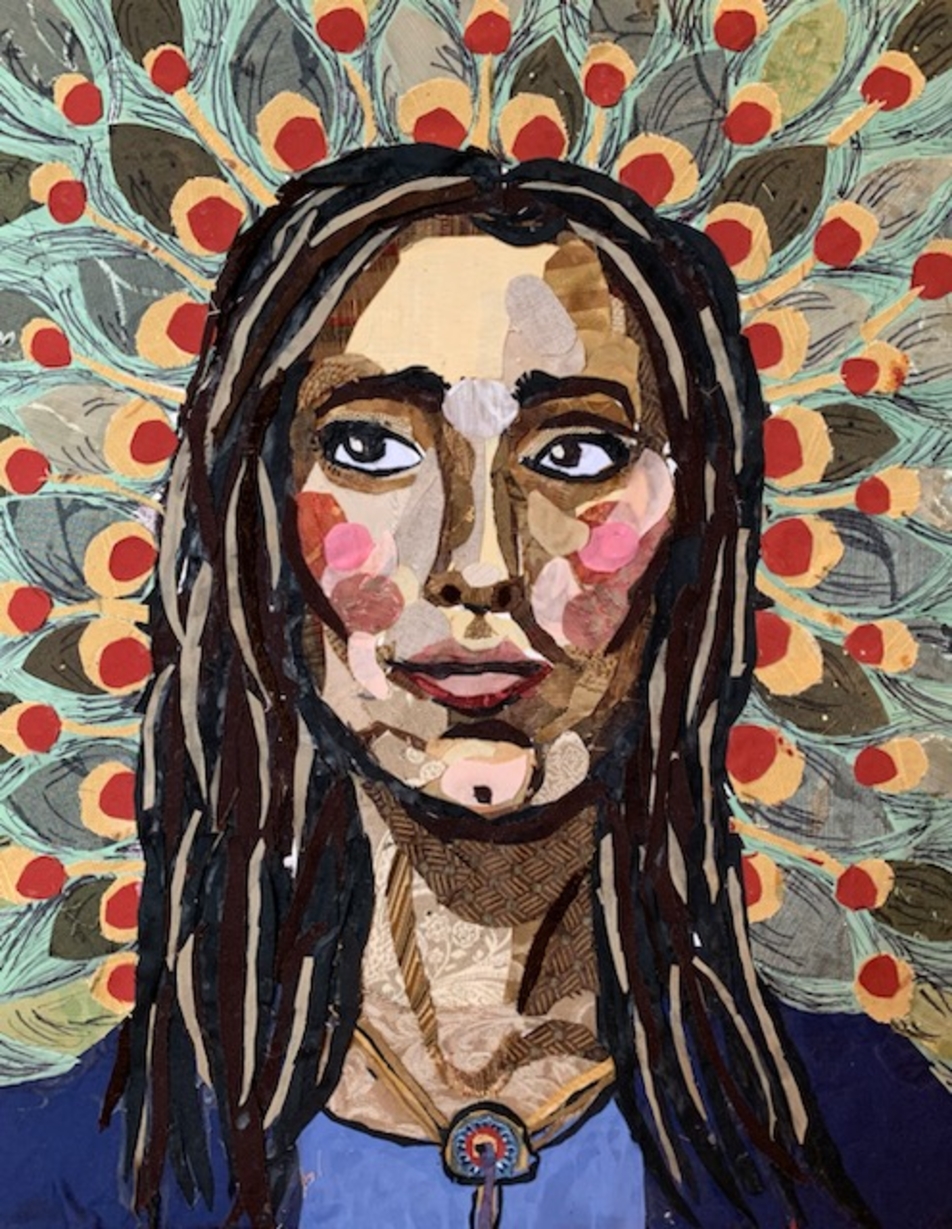
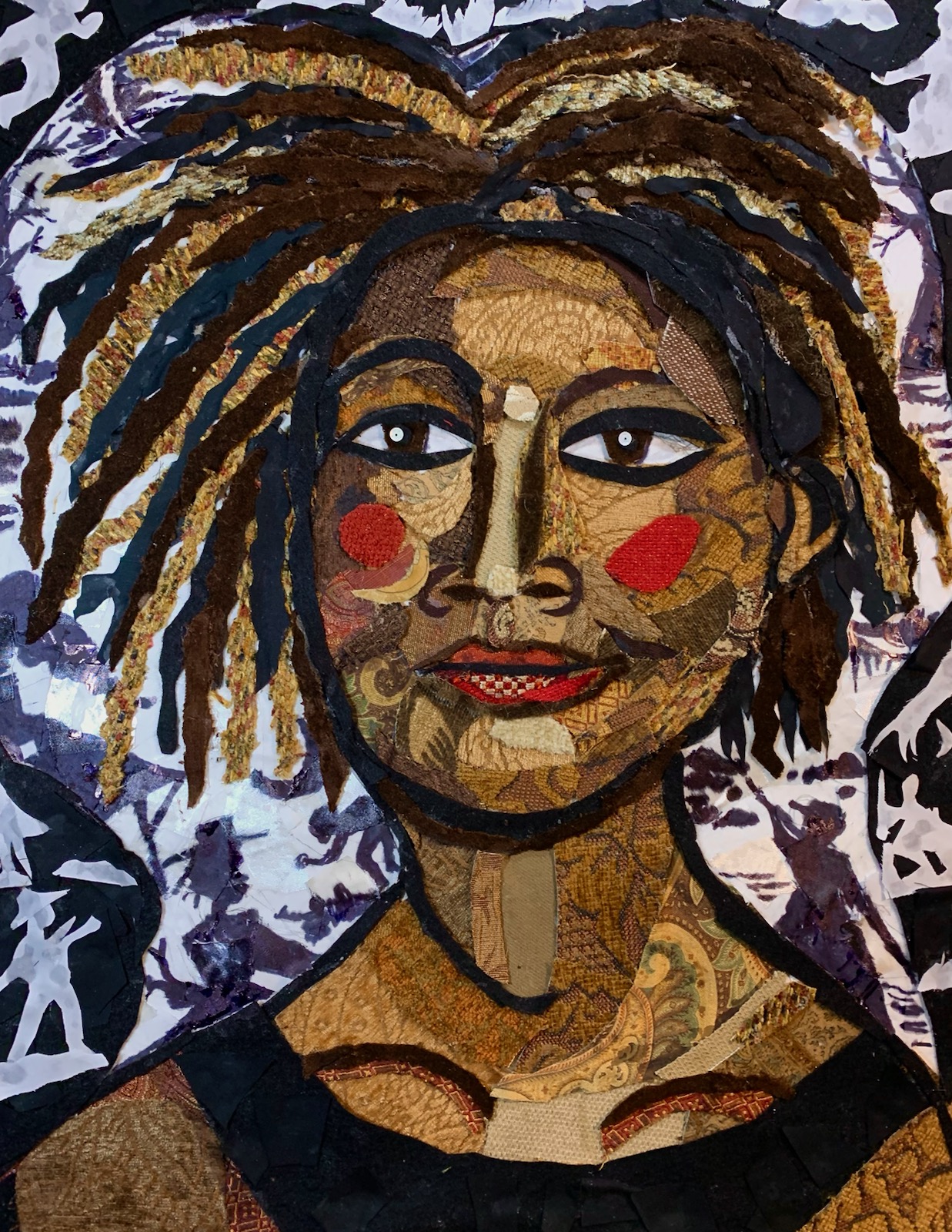
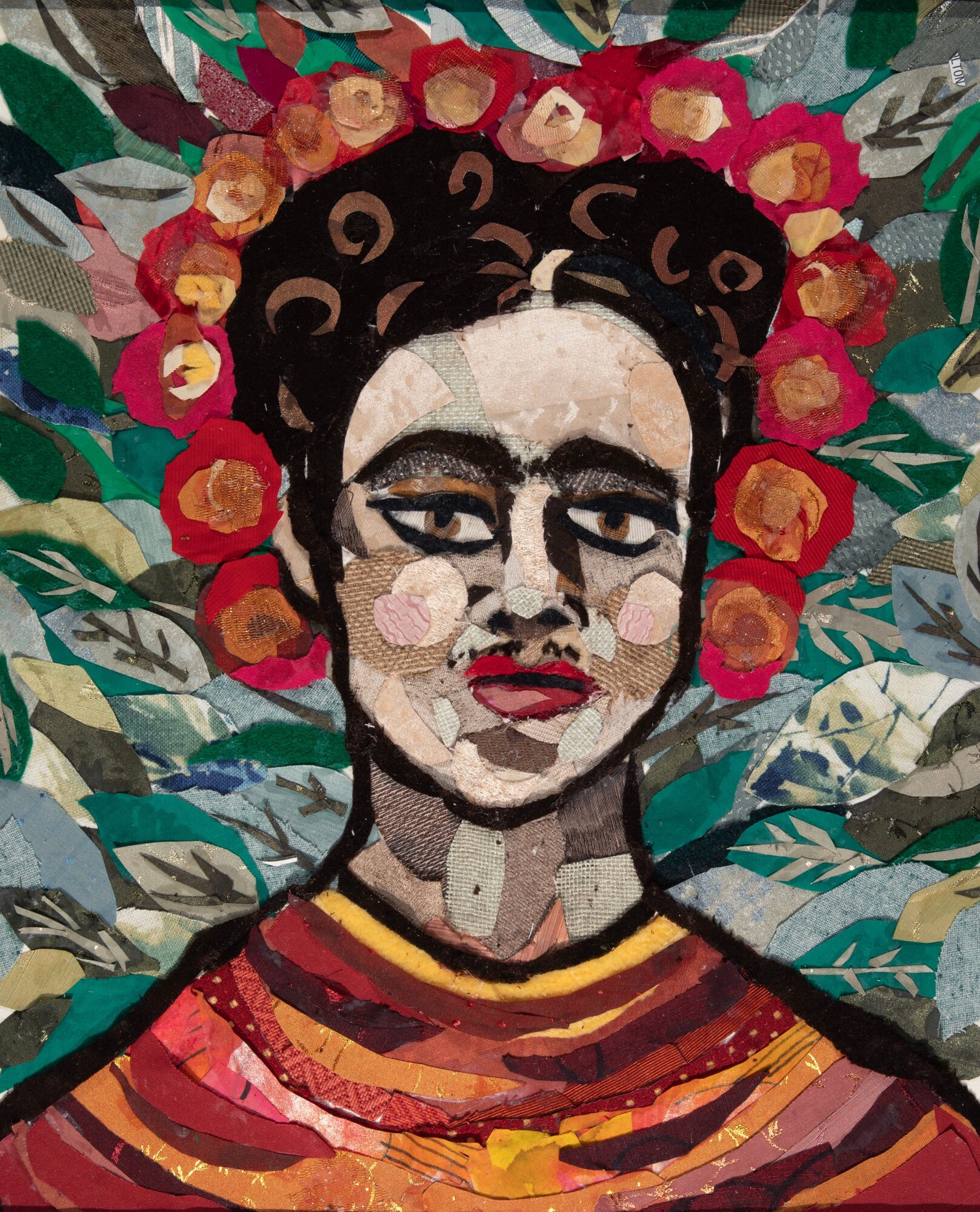
My work is rooted in the belief that portraiture can be an act of care—of remembering, honoring, and bearing witness. Using layered fragments of fabric, I create portraits of individuals whose lives reflect courage, creativity, and humanity. More recently, I’ve begun Upstanders, a series honoring people who actively confront antisemitism today. Across all my work, I hope these portraits invite viewers into a shared humanity and encourage empathy, remembrance, and compassionate action.
Would you say it’s been a smooth road, and if not what are some of the biggest challenges you’ve faced along the way?
The road has definitely not been smooth. I went to art school in the 1980s and began as a freelance illustrator. At first, art directors often felt my work was too quirky and not representational enough, so I faced a lot of rejection. But I kept knocking on doors, and eventually I began receiving assignments. Over time, I built a successful illustration career, creating mixed-media work for major clients and gaining recognition through the Society of Illustrators.
Later, I decided to move into teaching. What began as a supplemental path quickly became a calling. As the illustration industry shifted with the rise of digital art and changing business models, I found myself drawn more deeply to education. I married, raised a family, and spent more than two decades teaching art. Those years were creatively fulfilling, but they left little time for my own studio work.
When I retired in 2023, it felt like the right moment to return to my creative voice. In many ways, this chapter feels like the culmination of everything I’ve experienced—my years as an artist, educator, and observer of the world—all coming together in the work I create now.
Appreciate you sharing that. What else should we know about what you do?
I create textile assemblage portraits that honor individuals whose lives reflect courage, creativity, and humanity. I work with fragments of fabric—often collected over many years—and layer them like paint to build depth, tone, and emotion. The process is slow and contemplative, and each portrait becomes a kind of quiet dialogue between myself and the person I’m depicting.
Much of my work is rooted in history and remembrance. My series Heroes of the Holocaust honors artists who continued to create under unimaginable conditions. The Madonnas celebrates women whose lives embody strength, wisdom, and transformation. More recently, I’ve begun Upstanders, a series focused on people who actively stand against antisemitism today. Across all these bodies of work, my goal is to create portraits that invite empathy and a sense of shared humanity.
What I’m most proud of is the emotional response the work creates. Viewers often feel a deep connection to the subjects, especially when they learn their stories. I think what sets my work apart is the combination of tactile materials, historical research, and portraiture that functions as both memorial and call to conscience.
What quality or characteristic do you feel is most important to your success?
Passion and perseverance have been the most important qualities in my journey. Whatever I commit to—whether it was illustration, teaching, or now my studio practice—I give it my full energy. I’ve faced plenty of rejection over the years, but after the initial disappointment, I usually find it strengthens my determination. I’ve learned to keep going, to keep creating, and to trust that the work will find its place.
I’m also deeply driven by a belief in social justice and the idea that art has the power to communicate, to honor, and even to change the world. That belief has carried through every stage of my career, from the classroom to the studio. The individuals I portray—artists, women, and upstanders—are people who also believed in the power of expression and moral courage. Sharing their stories gives my work purpose.
When I do something, I do it wholeheartedly. I’ve never been someone who works halfway. That full commitment has shaped my path and continues to guide me forward.
Pricing:
- I have original work and prints for sale and commission on my website meryllettire.com
- Most of my work is not for sale since it is being shown in traveling exhibitions.
Contact Info:
- Website: https://website-meryllettire.com
- Instagram: https://instagram.com/@merylarts
- Facebook: Facebook/@Meryl Lettire Artist
- Youtube: YouTube @meryllettire