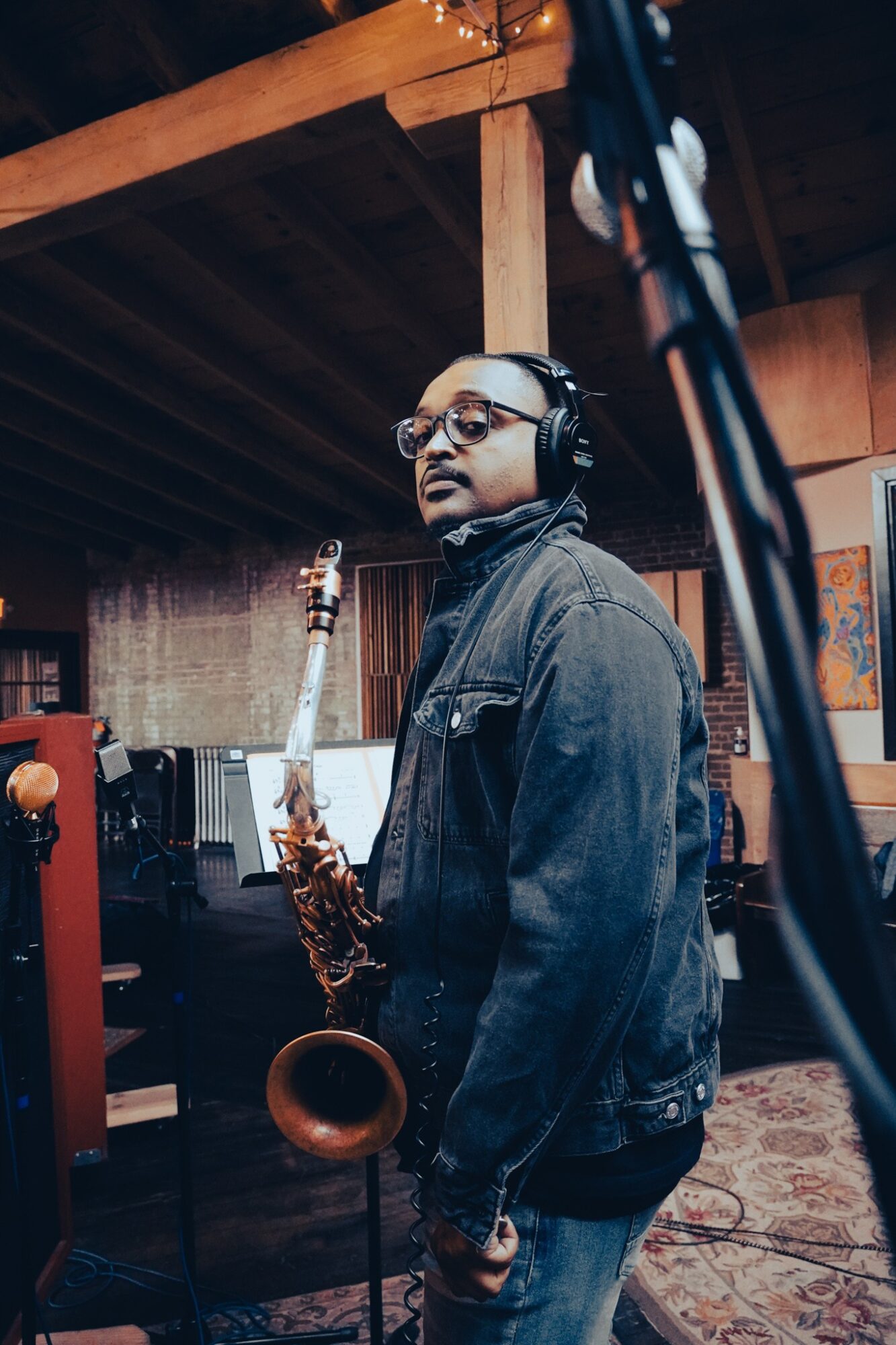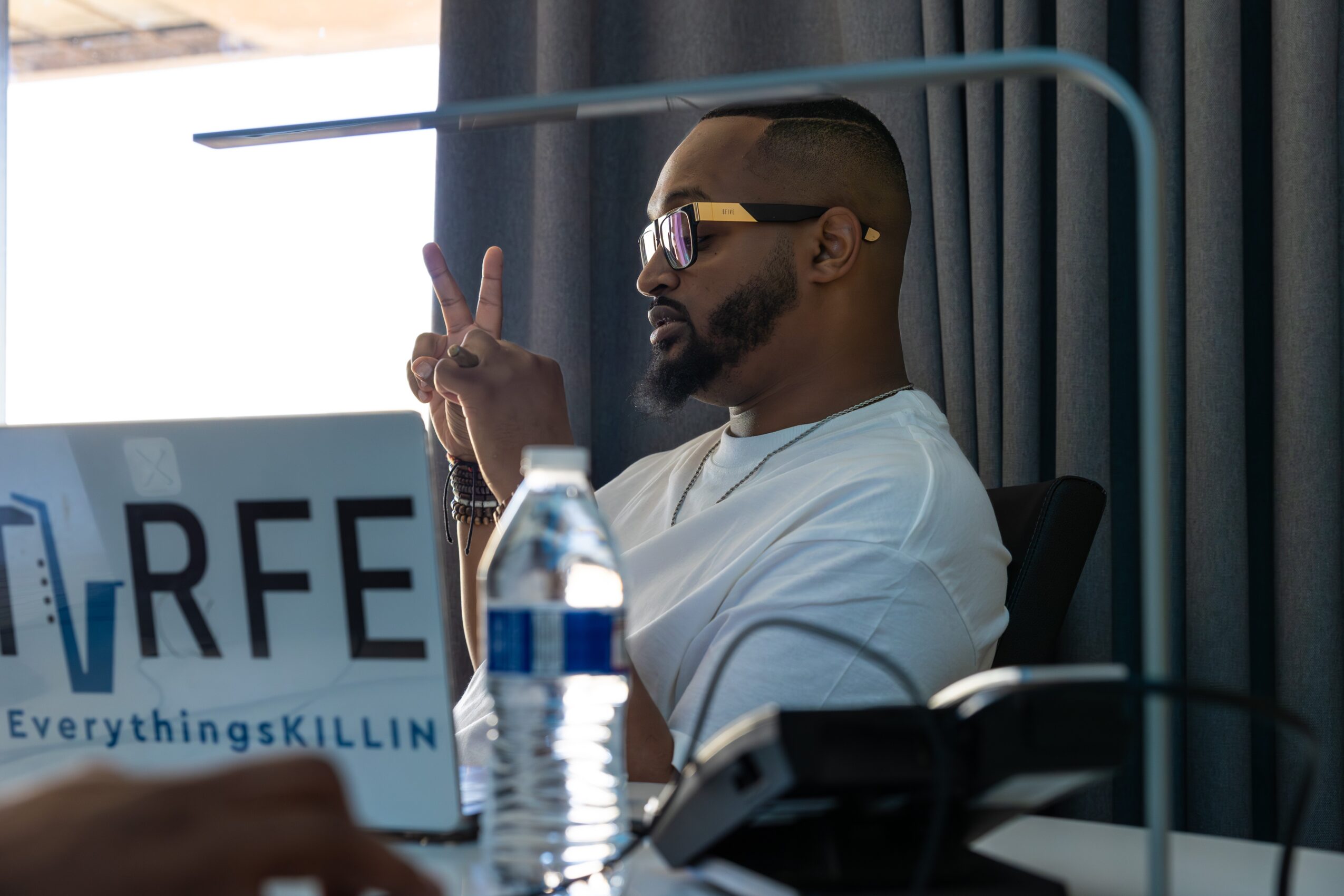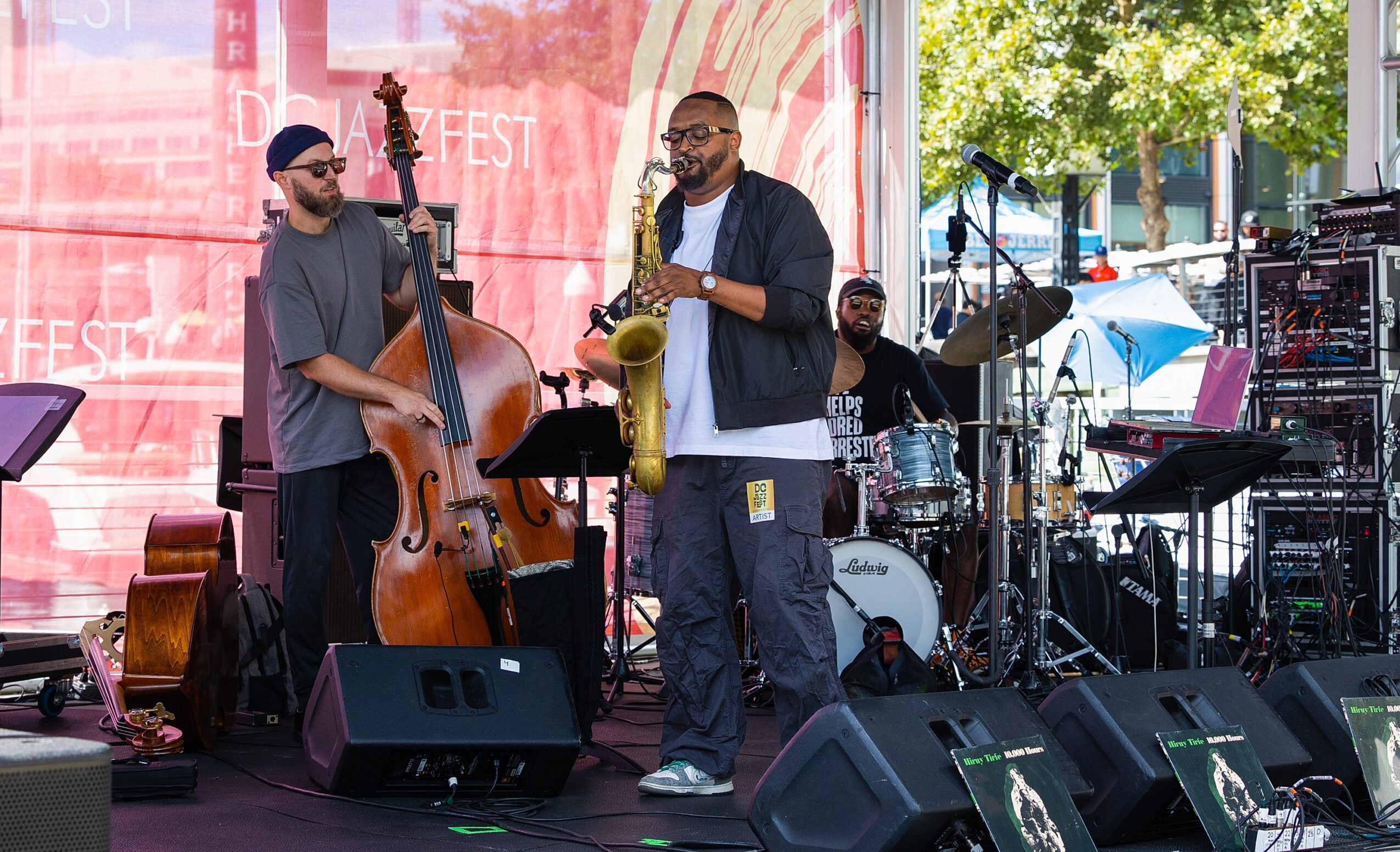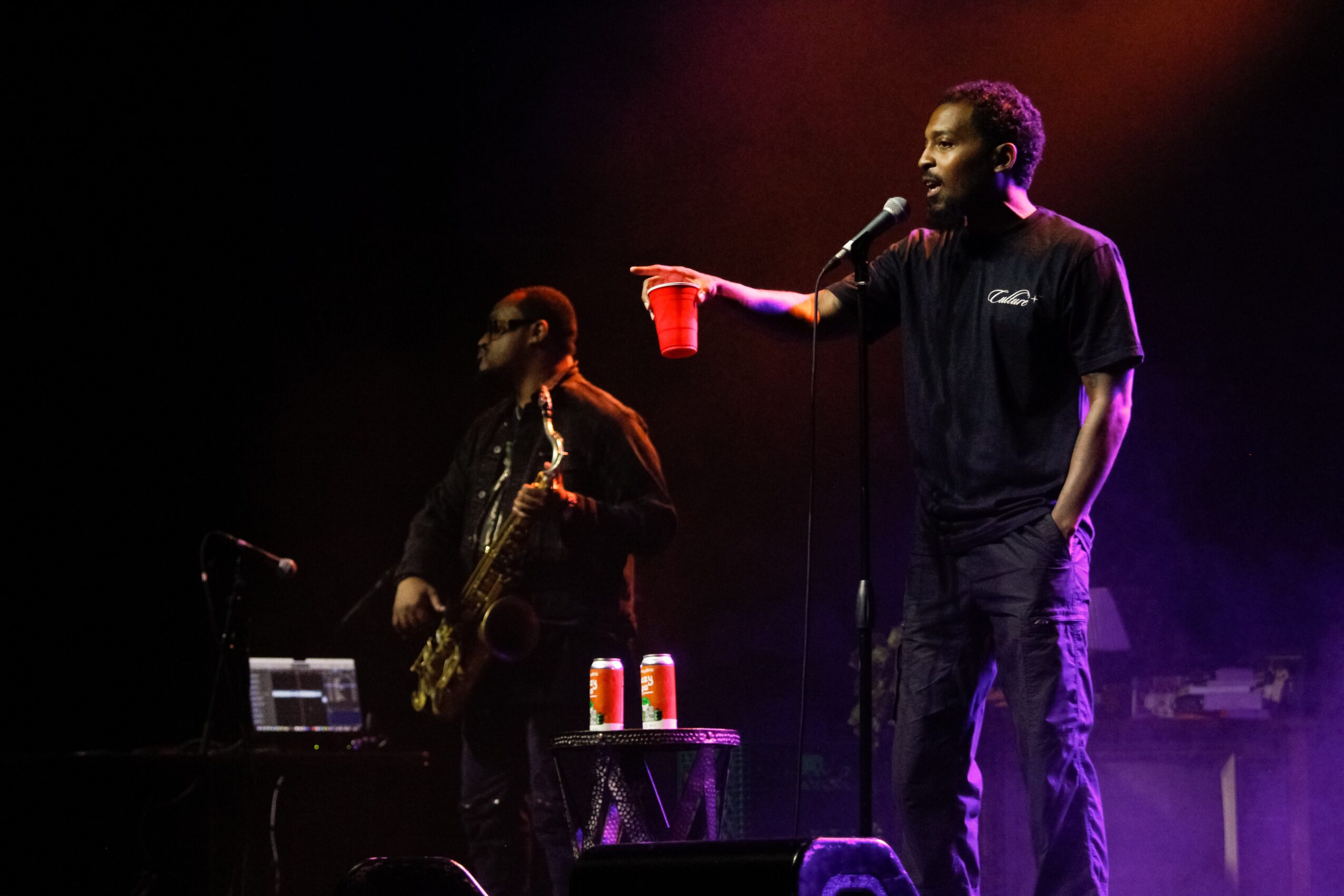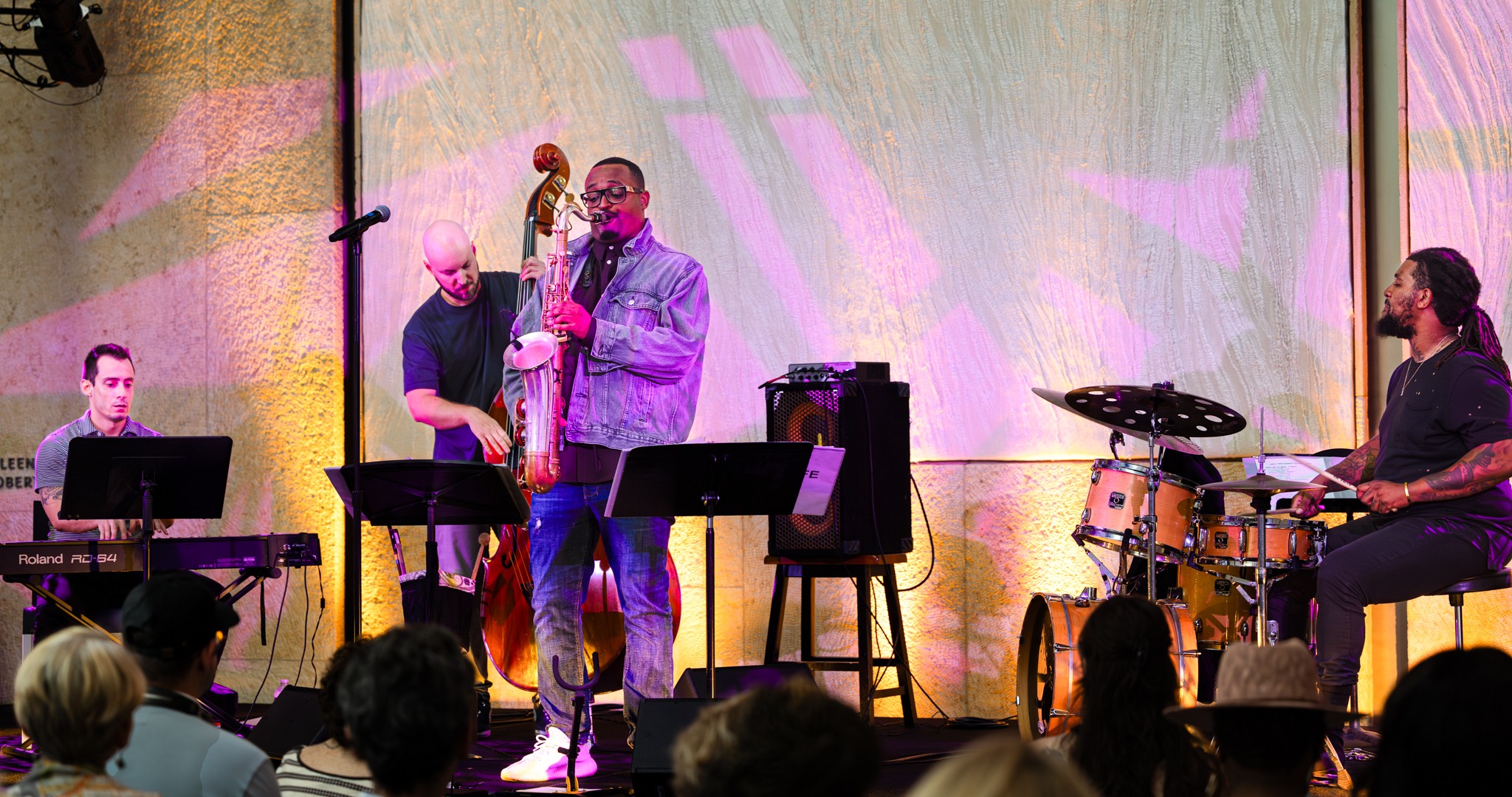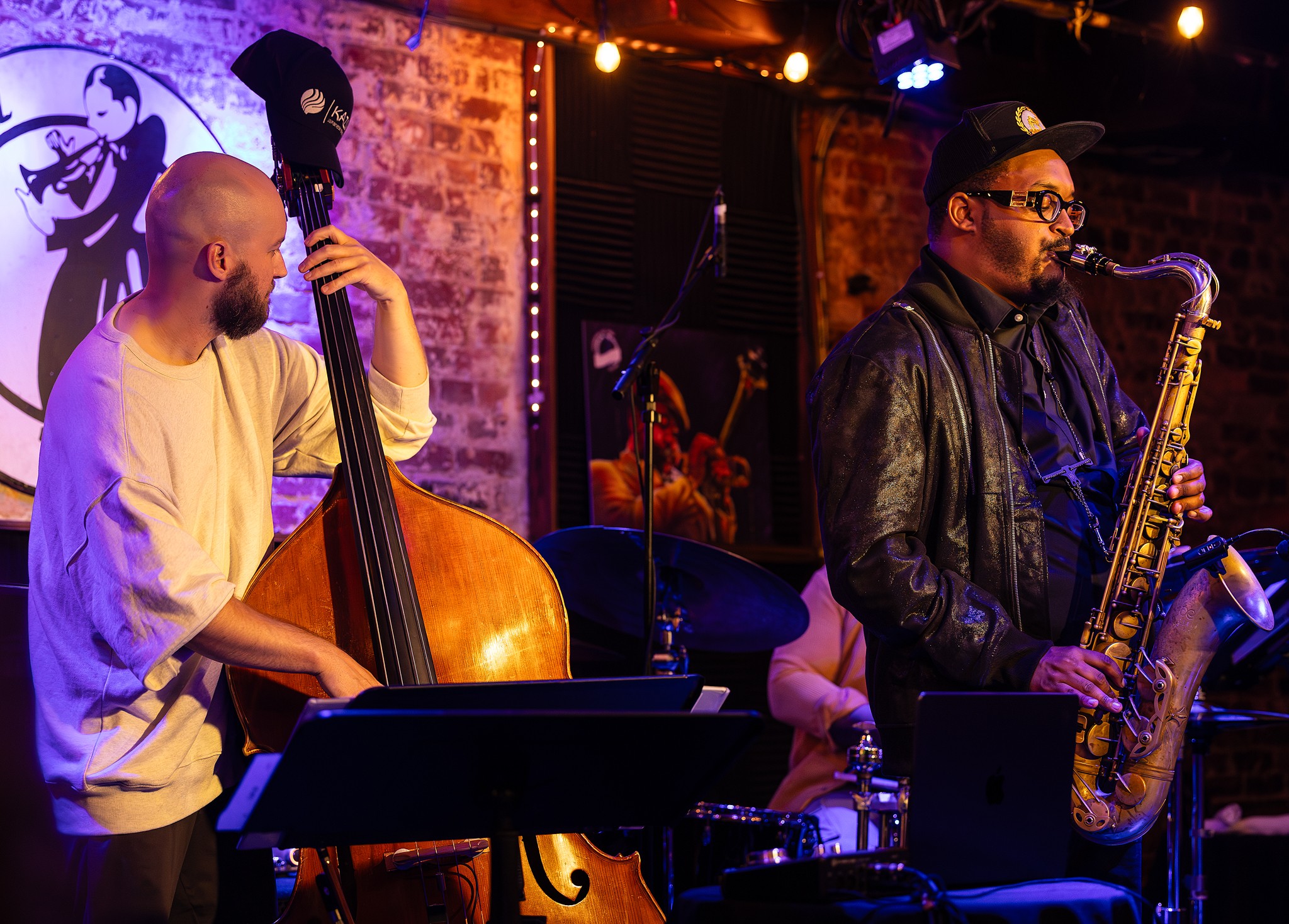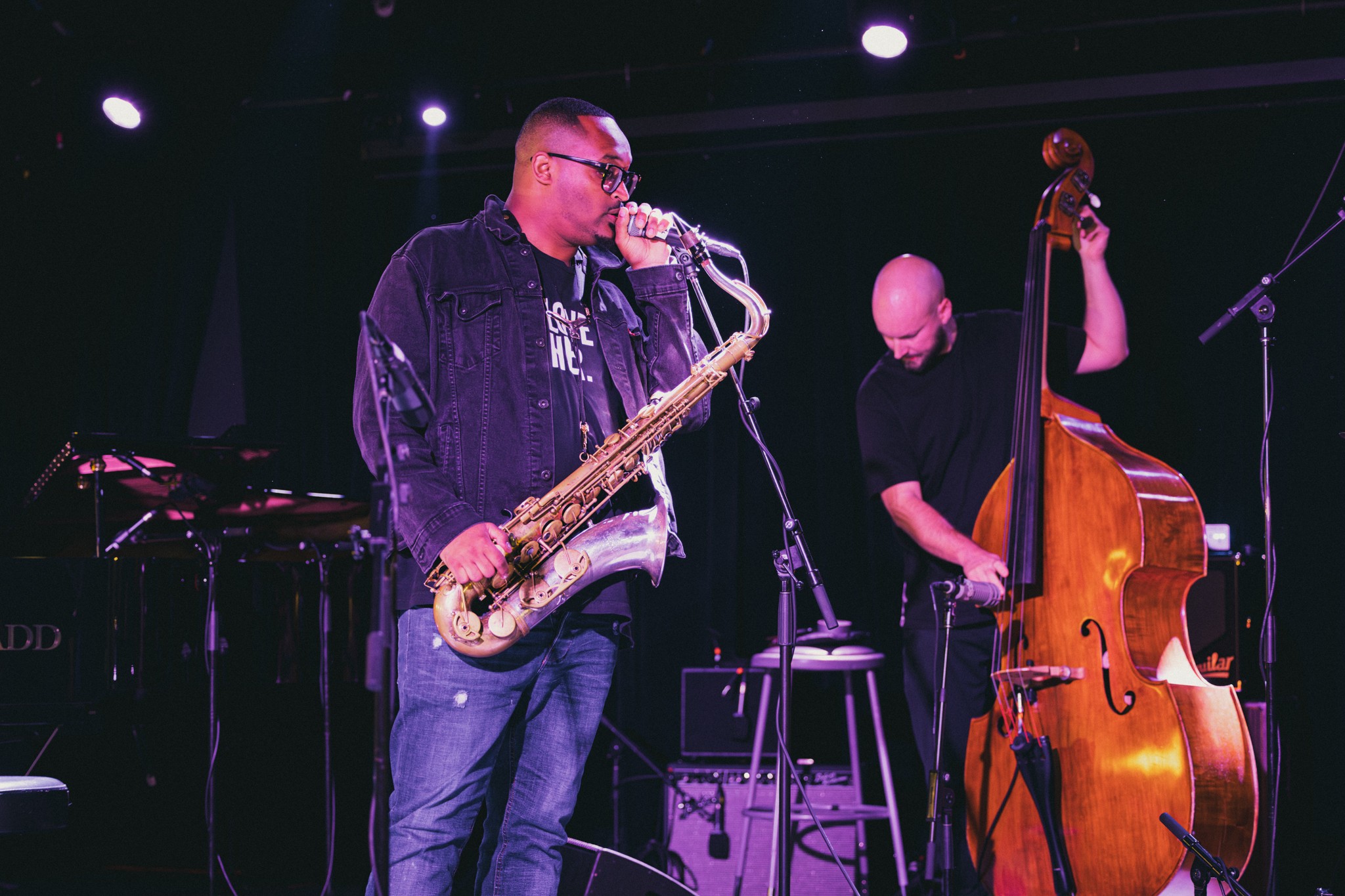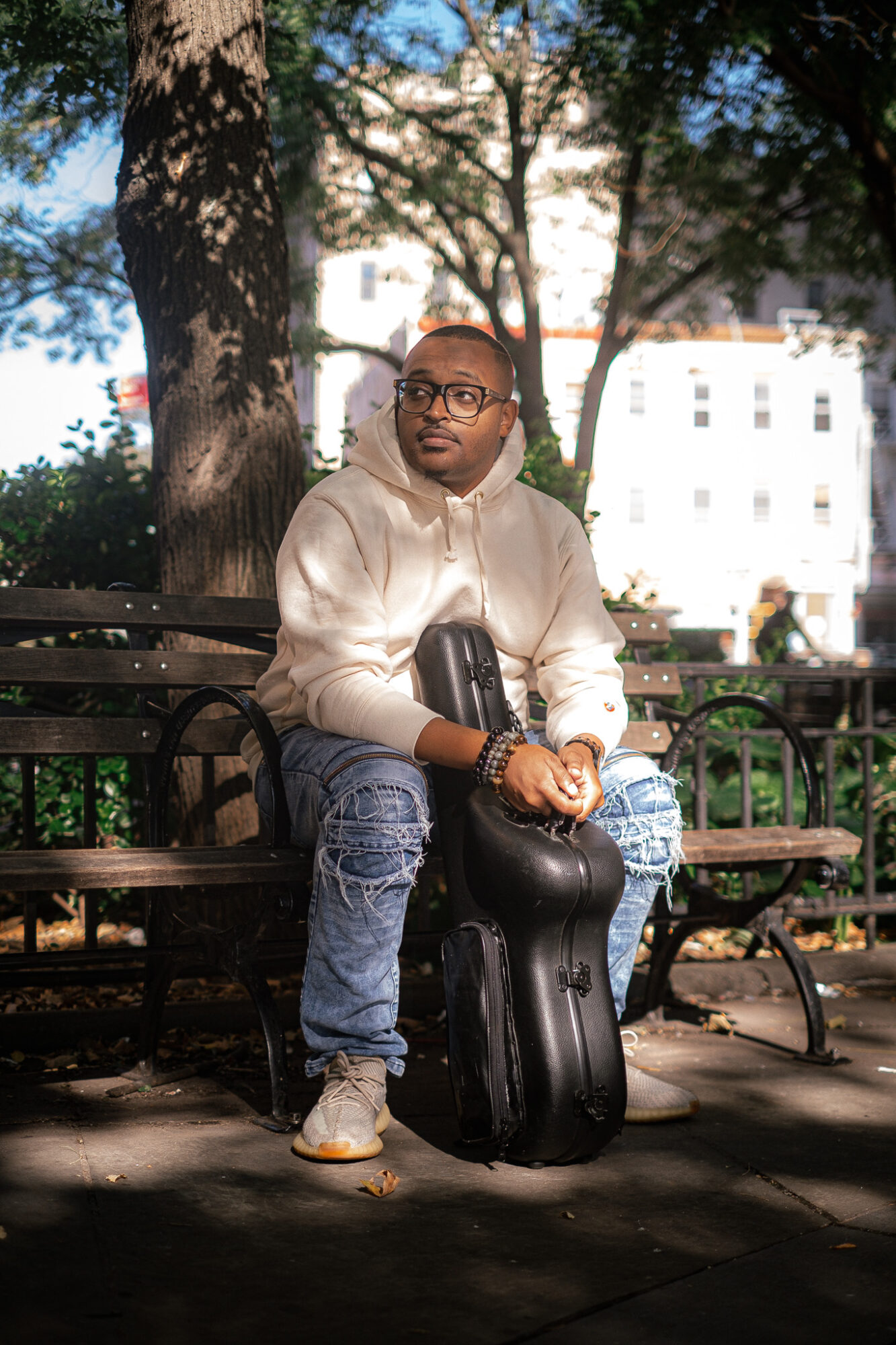



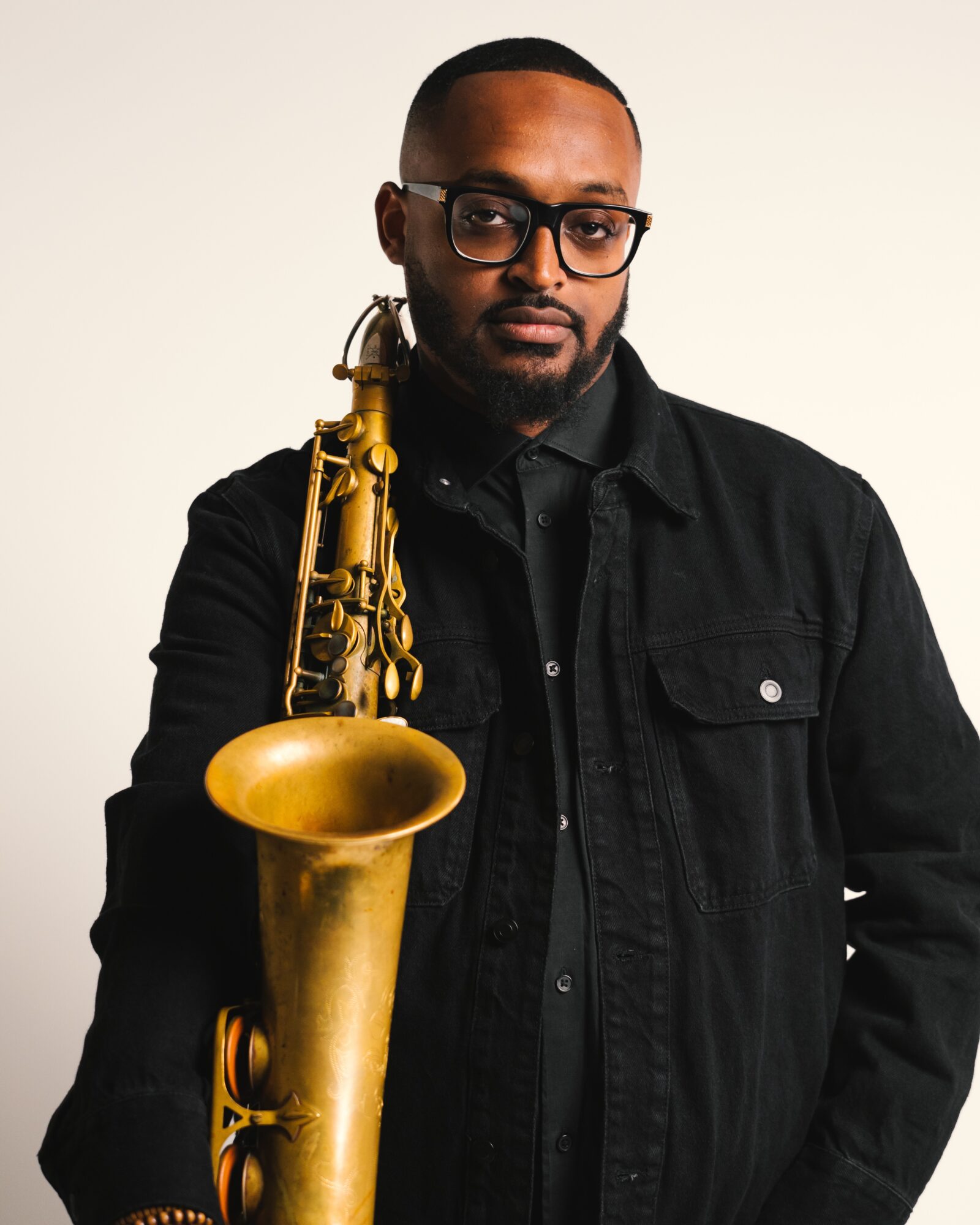
Today we’d like to introduce you to HIRUY TIRFE.
Hi HIRUY, thanks for joining us today. We’d love for you to start by introducing yourself.
I started playing music pretty early. I enrolled in instrumental band in 4th grade at my public elementary school, which is the first year they even let you join. I didn’t have some big master plan—I picked up the saxophone simply because my neighbor went to the same school as me and played sax. At the time, it felt like the easiest decision.
Early on, I treated it more like a hobby than anything serious. I enjoyed getting pulled out of class for lessons and honestly liked being around the “cool” kids who were in band. It wasn’t about a career yet—it was just fun.
As the years went on, though, that started to change. I began taking the music more seriously and eventually started coming into Philadelphia on the weekends to participate in extracurricular jazz programs. That experience was pivotal for me. The staff at those programs—Marc Johnson, Mike Boone, Tim Thompson, and Craig McIver—weren’t just teaching us music. They were teaching us how to be men: how to carry ourselves, how to be disciplined, how to be accountable, and how to respect the music and the people around us. Those lessons stuck with me just as much as anything I learned on the horn.
After many, many years of practice, study, and real-world experience, music stopped being something I did and became who I am. At this point, it’s safe to say I’ve built a strong and meaningful career in music—one rooted in community, discipline, and a deep respect for the art form.
Can you talk to us a bit about the challenges and lessons you’ve learned along the way. Looking back would you say it’s been easy or smooth in retrospect?
It definitely hasn’t been a smooth road—and honestly, it still has bumps from time to time. That’s just the reality of this field.
The music industry, and jazz especially for some reason, is a very deep gate-keeping industry. That never fully made sense to me, particularly now that I’m an educator and have been teaching for over ten years. My goal has always been to make this music—and the knowledge of how this industry actually works—accessible to young people, because they’re next. They’re the future touring musicians, bandleaders, artists, audio engineers, and creatives who will carry this music forward. Unfortunately, that mindset isn’t shared across the board, and that’s honestly been one of the more discouraging parts of the journey.
What’s ironic is that many of the gatekeepers say their main goal is to “save the music,” but in reality, a lot of that behavior makes it harder for the next person to succeed. Personally, I don’t support that. I believe the music survives by being shared, taught, and lived—not locked away.
This industry will challenge you in a lot of ways—mentally, financially, and spiritually. You really have to have a strong head on your shoulders and a clear sense of purpose to keep growing and pushing forward in this field.
All that said, it’s incredibly rewarding. Despite the challenges, I’m grateful for the path I’m on, and I thank God for putting me here and giving me the resilience to keep going.
Alright, so let’s switch gears a bit and talk business. What should we know about your work?
My work lives at the intersection of performance, education, and community. I’m a saxophonist, composer, bandleader, and educator, and I specialize in modern jazz that’s rooted in tradition but speaks to the present. Whether I’m leading my own projects or supporting other artists, my focus is always on musical honesty, strong storytelling, and sound that feels intentional and lived-in.
As a performer and bandleader, I’m known for my tone, my sense of groove, and the way I build bands that feel like real communities—not just musicians on a gig. I take pride in creating spaces where the music can breathe and where everyone on stage feels empowered to contribute fully. That translates into performances that feel personal, dynamic, and deeply connected.
On the education side, I’ve been teaching for over a decade, working with students across multiple schools and age groups. I’m especially proud of the fact that I don’t just teach music—I teach life skills through music. I make it a point to demystify the industry for young musicians and give them real-world knowledge about what it takes to sustain a career, because access to that information can be the difference between someone continuing or giving up.
What sets me apart is that I genuinely move between worlds. I’m actively touring, recording, and performing at a high level while also being deeply invested in education and mentorship. I understand the realities of the industry from the inside, and I use that understanding to uplift others rather than gatekeep. I’m proud of the career I’ve built so far—especially knowing it’s been shaped by integrity, consistency, and a commitment to leaving the music better than I found it.
What was your favorite childhood memory?
Honestly, one of my favorite childhood memories is hanging out at the Gallery Mall. It was the place to be, whether you were a kid, a teenager, or even an adult. No matter who you were, you were always going to bump into somebody you knew.
You’d go in thinking it was just going to be a quick, one-hour trip, and next thing you know, three or four hours had passed. Between running into friends, catching up with people, and just being outside and present, time moved fast in the best way. It was more than just a mall. it was a social hub, a meeting point, and a snapshot of Philly culture at that time
Contact Info:
- Website: https://hiruytirfe.org
- Instagram: https://www.instagram.com/hiruy_tirfe26/?hl=en
- Facebook: https://www.facebook.com/HiruyTirfe
- Twitter: https://x.com/Hiruy_Tirfe26
- Youtube: https://www.youtube.com/@hiruytirfe
- Other: https://www.tiktok.com/@hiruy_tirfe26